News Summary
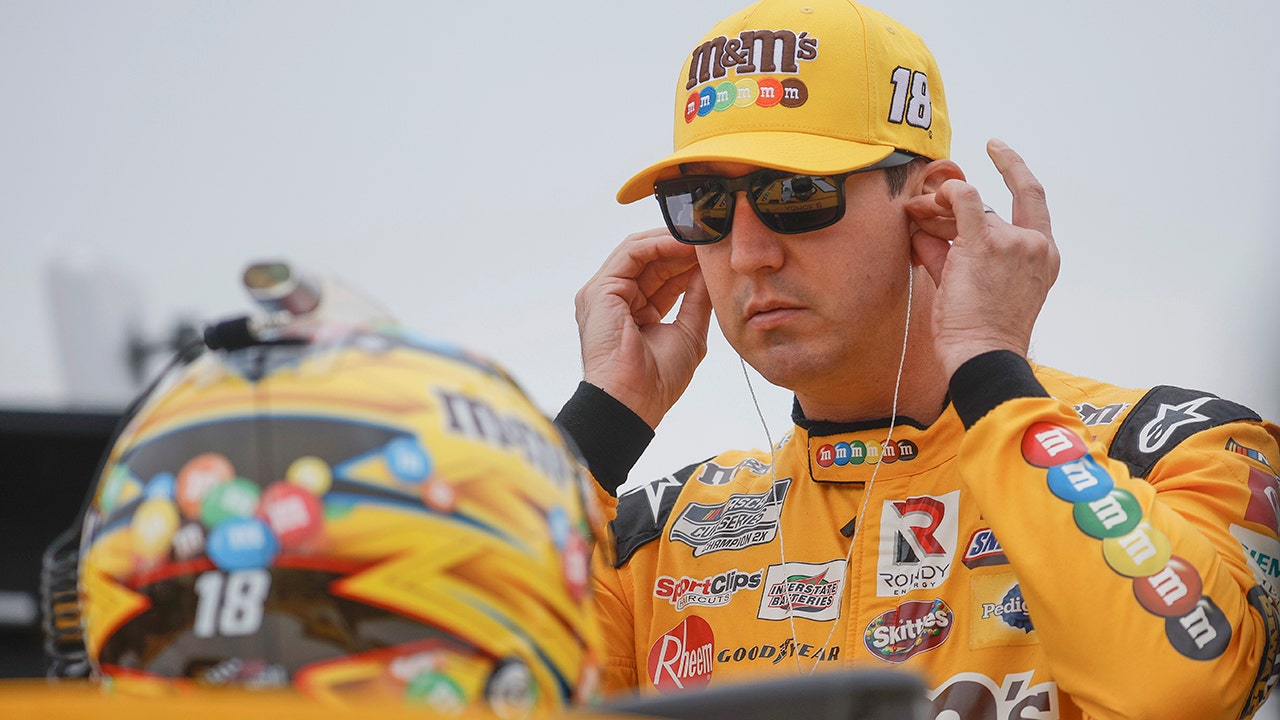
Kyle Busch, a 41-year-old two-time NASCAR Cup Series champion, died Thursday after being hospitalized with a reported "severe illness." His family issued a statement saying he would miss a race after hospitalization; no official cause of death has been released. Media outlets and sources reported that Busch collapsed in a Chevrolet simulator on Wednesday and was taken to a Charlotte hospital; that timeline has been reported by the Associated Press and confirmed to other outlets. NASCAR described Busch as a "future Hall of Famer" and a "rare talent." Busch had competed in the Cup Series since 2004 with 762 career starts and 63 Cup wins, winning championships in 2015 and 2019, and totaling 234 victories across NASCAR's three national series. He is reported in this article as the all-time wins leader in the NASCAR O'Reilly Auto Parts (Xfinity) Series (102) and the Craftsman Truck Series (69). His most recent Truck Series victory occurred the prior Friday at Dover. He is the first active NASCAR driver to die since Dale Earnhardt in 2001. The article also notes another recent loss in the sport when former Cup driver Greg Biffle died in a plane crash last December.
Biblical Reflection
This is a sudden loss that brings several spiritual and practical considerations. Biblically, sudden death is a sober reminder of human frailty and the brevity of life (James 4:14; Psalm 90:12). The article largely reports accomplishments and immediate timeline details, but it also repeats unconfirmed reporting about a collapse and hospitalization before an official cause was released. Christians should grieve with those who mourn (Romans 12:15) and give space for the family’s privacy while resisting the pull toward rumor or premature conclusions. The media’s emphasis on legacy, records, and the "first since Earnhardt" framing reflects how culture often elevates public figures as symbols; scripture calls us to honor good works while keeping ultimate hope in God rather than in human achievement (1 Corinthians 3:11–15). Practically, the Christian response is to offer prayer, pastoral care, and compassionate presence to family and community, to seek truth patiently rather than amplify speculative details, and to remember that public acclaim does not answer the deeper questions of meaning that faith addresses. Finally, the racing community’s grief can be a moment to point people to the comfort and hope found in Christ without diminishing genuine sorrow over a fallen life and a grieving family.
Scripture in context
This outlook does not yet include contextual Scripture citations. Do not treat a general biblical theme as an exegetical conclusion.
Faithful Response
No prescribed response is offered. Consider the reflection prompts below in your own church context.
Reflection and Discussion
- 1How does the media’s focus on records and legacy shape our understanding of a person’s worth compared with the Bible’s view of human life and dignity?
- 2When details are incomplete or unconfirmed, how can a Christian community resist rumor and instead model patient, truthful compassion?
- 3In moments when a public figure's death becomes a cultural flashpoint, where should our ultimate hope and meaning be placed?
Sources
Reporting links are evidence inputs; Sanctuary News' biblical reflection is commentary.
This outlook currently relies on fewer than two linked sources. Broaden verification before teaching from it.
- 1.Original reportprimary