News Summary
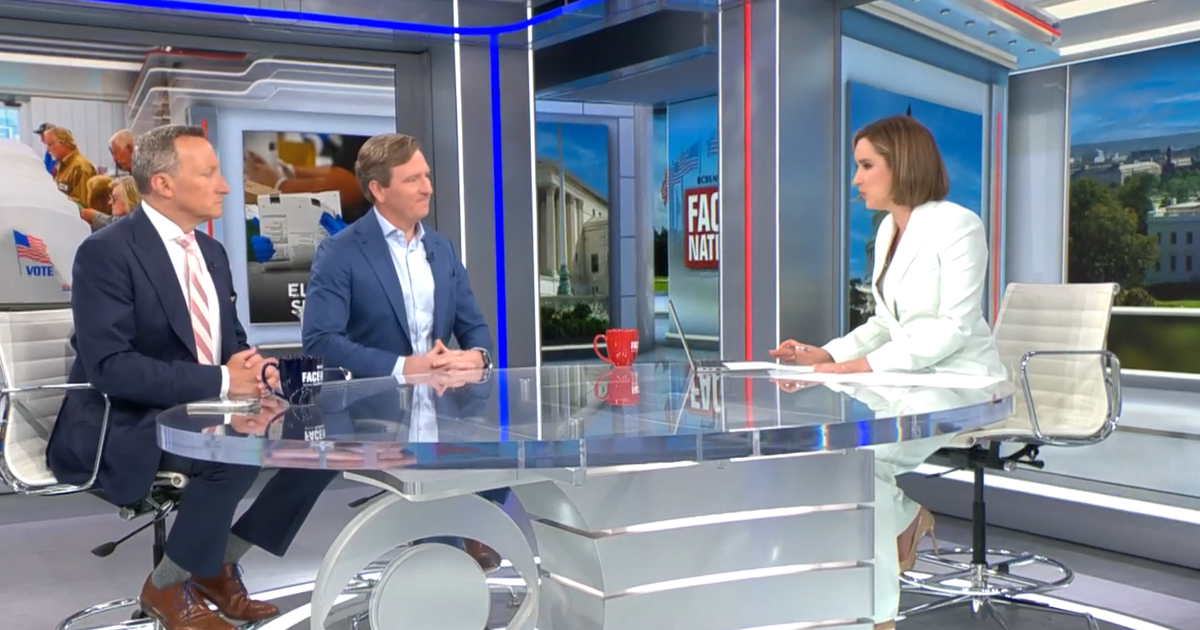
Facts reported: This CBS News transcript records an interview in which Chris Krebs and David Becker discuss election security, foreign influence, federal actions, and state-federal tensions. The transcript quotes President Trump, DHS Secretary Markwayne Mullin, and summarizes Krebs' and Becker's claims about intelligence products, the SAVE system, restored or dismantled federal resources, and litigation. Attributed claims: Krebs characterizes the 2020 election as secure and refers to intelligence community assessments about foreign influence preferences; Becker states DOJ has filed “over 30” lawsuits and that they are “0-16,” and that 39 people have been charged with voting as non-citizens. Uncertainty: the transcript reports assertions about documented intelligence findings, legal outcomes, and administrative actions without attaching those original documents or independent corroboration within the article.
Source and Framing Analysis
Source role and incentives: This is a verbatim transcript from CBS News of an interview with two named election experts; the program’s role is to question and inform. The primary voices are former CISA director Chris Krebs and election-law expert David Becker; their institutional histories shape their perspective and focus on technical and legal aspects of election security. Missing voices: the transcript does not include direct, contemporaneous statements from the White House, the Department of Justice, DHS beyond the quoted line, the intelligence community documents referenced, or a broader sample of state election officials beyond brief mentions — those perspectives would materially affect the story. Disputed or high-consequence claims requiring verification: the specific intelligence assessment language (spring 2021), the existence/timing/content of classified briefings, numerical claims about lawsuit outcomes and prosecutions, and the legal status and completeness of SAVE system data. Independent verification needed: the underlying intelligence assessment(s), DOJ letters and filings, court records for the lawsuits cited, SAVE program legal analysis, and any records of classified briefings to state officials.
Biblical Reflection
From a Christian perspective the interview raises two central concerns: truth and the common good. The experts emphasize reliance on evidence-based assessment and institutional cooperation to protect elections — actions that serve neighbor-love by preserving trustworthy civic processes. At the same time, statements that threaten or criminalize election officials without clear public evidence risk undermining trust, intimidating public servants, and inflaming partisan division. Christians should prize careful, humble inquiry into contested claims, protect those who administer public safety and civic order, and resist amplifying rhetoric that sows fear or corrodes civic institutions. The piece reflects a worldview that values expertise, institutional norms, and procedural safeguards; it also reveals political pressure points where power, information, and legal threats intersect. Discerning readers should separate reported facts from opinion, ask for documentary evidence for consequential claims, and advocate for honest, nonpartisan support for the people who run elections.
Scripture in context
- 1Philippians 2:1-11 — Paul writes to the church in Philippi urging unity, humility, and Christlike self-giving; his ethical instruction follows theological reflection on Christ’s humility and exaltation in the life, death, and resurrection narratives. — In civic disputes Christians are called to seek unity without compromising truth, to model humility in public argument, and to prioritize the common good over partisan triumph. Those who administer civic systems deserve support and honest accountability rather than intimidation.
Faithful Response
Before sharing or acting on claims about election integrity, seek primary documents (intelligence assessments, DOJ letters, court records) or credible secondary verification.
Pray for and reach out to local election officials to offer support and pastoral care rather than amplifying threats or unverified accusations.
Encourage respectful civic conversations in your networks that prioritize facts and avoid dehumanizing language about public servants.
Reflection and Discussion
- 1Which primary documents or independent sources would change your assessment of the claims made in this interview?
- 2How might partisan incentives shape the statements of political leaders and media, and what practices help you avoid being swayed by those incentives?
- 3In disagreements about civic integrity, how can Christians balance accountability with protection of public servants?
Sources
Reporting links are evidence inputs; Sanctuary News' biblical reflection is commentary.
This outlook currently relies on fewer than two linked sources. Broaden verification before teaching from it.
- 1.Transcript: Chris Krebs and David Becker on "Face the Nation with Margaret Brennan," July 19, 2026primary_reporting