News Summary
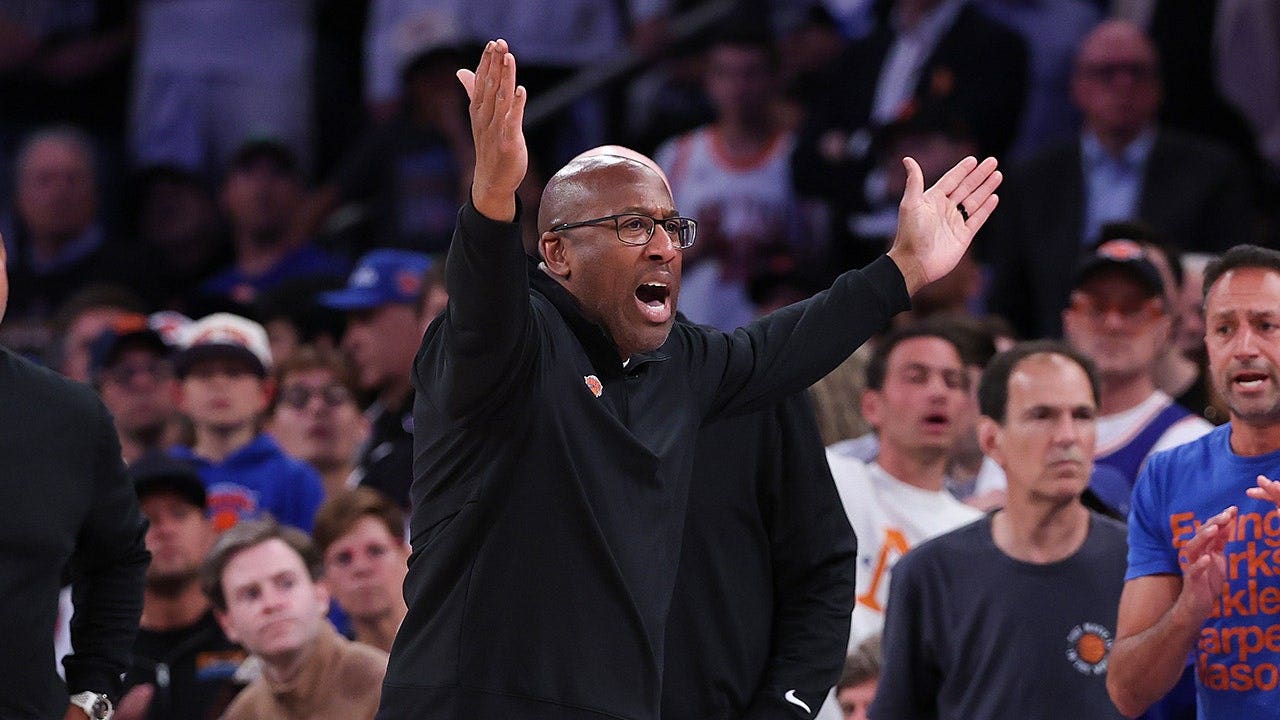
In Game 3 of the 2026 NBA Finals at Madison Square Garden, the San Antonio Spurs defeated the New York Knicks 115-111, ending the Knicks' 13-game playoff win streak. Knicks head coach Mike Brown opened his postgame remarks by acknowledging the Spurs' victory but criticized the referees, noting a 24-8 free-throw attempt disparity in the second half and citing specific no-call plays involving Karl-Anthony Towns and contact on a put-back. Spurs rookie Victor Wembanyama scored a team-high 32 points, including a forceful dunk over Jalen Brunson that drew no foul. Knicks players, including Towns and Brunson, downplayed officiating as the sole reason for the loss, pointing to turnovers, stagnant offense, and defensive lapses as primary causes. The article also notes President Donald Trump attended the game and that the series continues with Game 4 back in New York.
Biblical Reflection
From a Christian perspective, this story raises questions about truth-telling, leadership, and the posture leaders take when outcomes disappoint. Coach Brown’s public critique may be a legitimate expression of concern about fairness; at the same time, leaders have a pastoral responsibility to model accountability and restraint so complaints don’t come across as deflection. The article reflects common cultural habits in competitive spheres: quick attribution of loss to perceived injustice and the amplification of grievances by media. Christians should seek the truth — weigh the evidence for any officiating bias while remembering that errors and subjective calls are part of sport — and practice mercy toward fallible officials and opponents. Where criticism is warranted, it should be offered with humility and pursued through proper channels rather than primarily for public venting. Finally, consider how public leaders’ words shape the morale and witness of their communities; sportsmanship and honesty can be a small but powerful witness to Christlike character.
Scripture in context
This outlook does not yet include contextual Scripture citations. Do not treat a general biblical theme as an exegetical conclusion.
Faithful Response
No prescribed response is offered. Consider the reflection prompts below in your own church context.
Reflection and Discussion
- 1Is the coach expressing a defensible concern about fairness, or is he shifting responsibility away from his team's mistakes?
- 2How does public criticism from a team leader shape trust, team morale, and the broader conversation about fairness in competition?
- 3Are we quick to assume bias when outcomes go against us, and how should Christians balance a desire for justice with charity toward human error?
Sources
Reporting links are evidence inputs; Sanctuary News' biblical reflection is commentary.
This outlook currently relies on fewer than two linked sources. Broaden verification before teaching from it.
- 1.Original reportprimary