News Summary
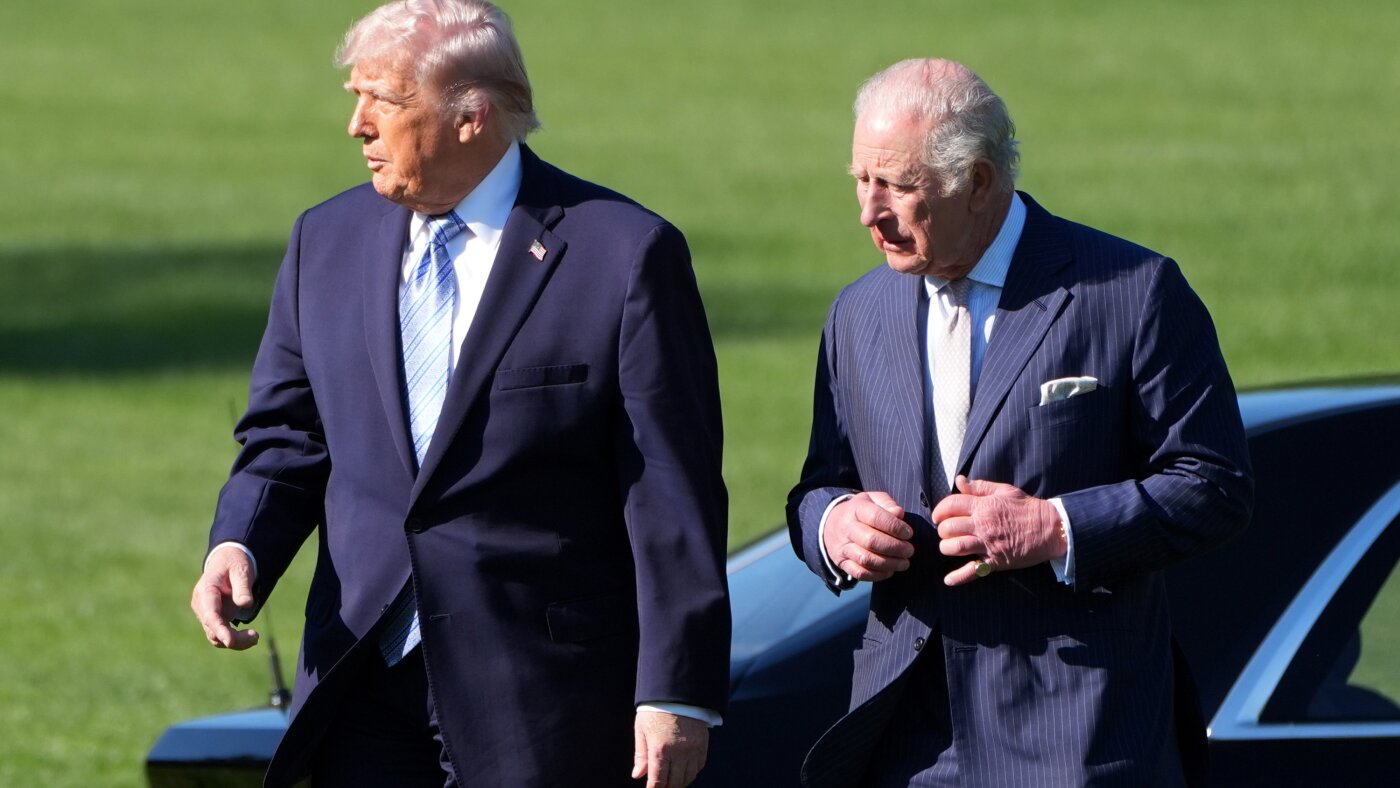
King Charles III and Queen Camilla made a four-day state visit to the White House hosted by President Donald Trump. In the weeks before the visit Trump repeatedly praised King Charles and expressed personal warmth toward the royal family. The visit coincided with several diplomatic tensions between the U.S. and the U.K.: disagreements over the conflict with Iran (the U.K. has declined fuller military participation and called the fighting “not our war”), the U.K.’s plan to cede the Chagos Islands to Mauritius (one island hosts a U.S. air base), disputes over new North Sea oil and gas licensing, and a U.S. threat of tariffs in response to the U.K.’s digital services tax. A shooting at the White House Correspondents’ Dinner prompted a security review but did not change the visit’s itinerary. The British monarch is officially politically neutral; however, the palace said King Charles would address a joint session of Congress and touch on topics including NATO and the goal of renewing UK–US relations.
Biblical Reflection
The article presents a mixture of ceremonial diplomacy and concrete policy friction. It is accurate to note both the symbolic role of a royal state visit and the substantive policy disputes that create strain between allies. From a Christian perspective, this story reminds us that diplomacy often combines personal relationship-building (soft power, symbolism) with national interests and moral decisions about war, justice, and economics. Christians should be wary of simple narratives that portray leaders as purely heroic or purely villainous; Scripture calls us to seek truth, promote peace where possible, and hold leaders accountable with justice and humility. The coverage leans into the tensions—an understandable news angle—but readers should notice rhetorical framing that emphasizes conflict ("fraught") and personal rapport (Trump’s praise) without deeply examining the moral reasoning behind each policy stance. Discernment requires separating personality and ceremony from policy consequences: Who bears the human cost of a military escalation? Are trade or tax measures aimed at fairness or leverage? Pray and evaluate leaders’ actions by whether they protect the vulnerable, pursue justice, and steward peace (Micah 6:8; Romans 13:1–7).
Scripture in context
This outlook does not yet include contextual Scripture citations. Do not treat a general biblical theme as an exegetical conclusion.
Faithful Response
No prescribed response is offered. Consider the reflection prompts below in your own church context.
Reflection and Discussion
- 1Does the article emphasize personalities and symbolism over the moral and human consequences of the policy disputes it mentions (war, territorial decisions, economic measures)?
- 2What assumptions about national interest, loyalty between allies, and the use of soft power underlie the reporting—are those assumptions neutral, or do they favor a particular political narrative?
- 3How should Christians weigh respect for national leaders and institutions with the biblical call to seek justice and care for those harmed by decisions on war, territory, and economic policy?
Sources
Reporting links are evidence inputs; Sanctuary News' biblical reflection is commentary.
This outlook currently relies on fewer than two linked sources. Broaden verification before teaching from it.
- 1.Original reportprimary