News Summary
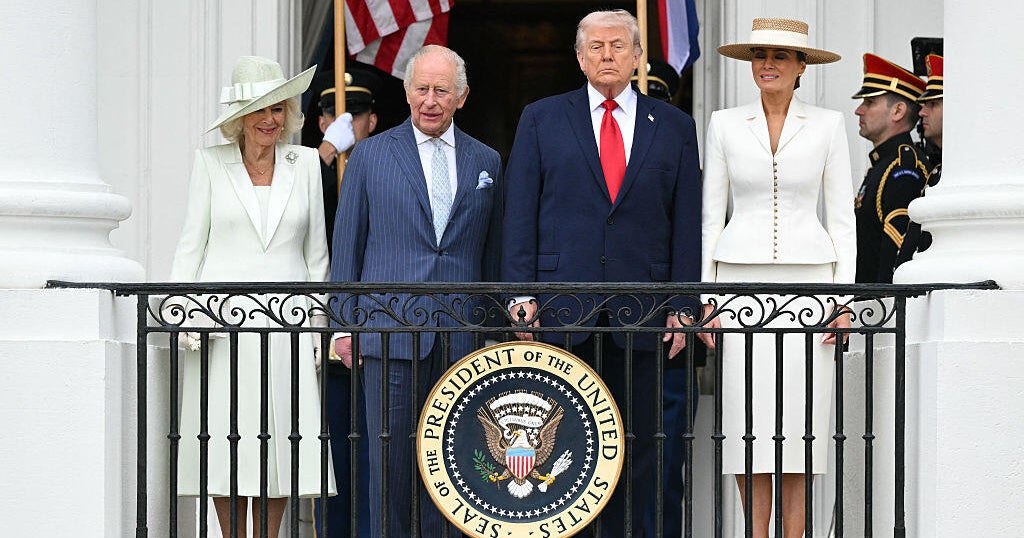
King Charles III and Queen Camilla visited the White House where President Donald Trump and First Lady Melania Trump formally received them on the South Lawn with ceremonial honors including a cannon salute, military procession and an F-35 flyover. The king did not speak at the arrival ceremony. After public remarks by President Trump praising U.S.–U.K. ties and noting historical links, the two couples entered the White House for closed-door meetings. The official program for the visit included gift exchanges, a bilateral Oval Office meeting, the king’s planned speech to a joint meeting of Congress later the same day, and a state dinner in the evening. Reporters noted guests and members of Congress present; the White House outlined performance and ceremonial elements for the arrival and the larger state visit tied to the U.S. 250th anniversary. The article also notes President Trump’s public comments about wanting to attend the king’s speech (but being advised against it by protocol), a Daily Mail genealogy item shared by Trump claiming distant kinship, background on past meetings between Trump and Charles, and possible substantive topics the king or the leaders might discuss (historical ties, human rights, international aid, and the U.S. conflict with Iran).
Biblical Reflection
This state visit is primarily a ceremony of diplomatic relationship-building and shared history; it combines pageantry with opportunities for private, substantive diplomacy. Scripture commends peacemaking, truthfulness, and humility in leadership, so Christians should appreciate efforts that foster reconciliation between nations while remaining wary of symbolic spectacle eclipsing concrete justice, aid, or moral accountability. The article centers personalities, ceremonial detail, and political theater (fashion, flyovers, quips about genealogy), which can distract from the policy decisions and ethical issues that actually affect vulnerable people (e.g., international aid, war, human rights). Read with discernment: note what is public ritual versus what may be negotiated in closed meetings; be cautious about social-media-friendly claims (such as distant-cousin genealogies) that feed prestige more than substance; and pray that leaders pursue the common good, truth, and the relief of suffering rather than mere optics. Ultimately, Christians can celebrate healed historic wounds and friendship between peoples while asking whether such diplomacy is accompanied by wise stewardship, justice, and care for the poor.
Scripture in context
This outlook does not yet include contextual Scripture citations. Do not treat a general biblical theme as an exegetical conclusion.
Faithful Response
No prescribed response is offered. Consider the reflection prompts below in your own church context.
Reflection and Discussion
- 1Am I more drawn to the pageantry and personalities in this story than to the concrete policy questions (aid, war, human rights) likely discussed behind closed doors?
- 2Where does the coverage emphasize image over substance, and how should that shape my trust in what I read about diplomatic visits?
- 3How should the Christian commitment to justice and care for the vulnerable shape my evaluation of state visits that celebrate historic ties?
Sources
Reporting links are evidence inputs; Sanctuary News' biblical reflection is commentary.
This outlook currently relies on fewer than two linked sources. Broaden verification before teaching from it.
- 1.Original reportprimary