News Summary
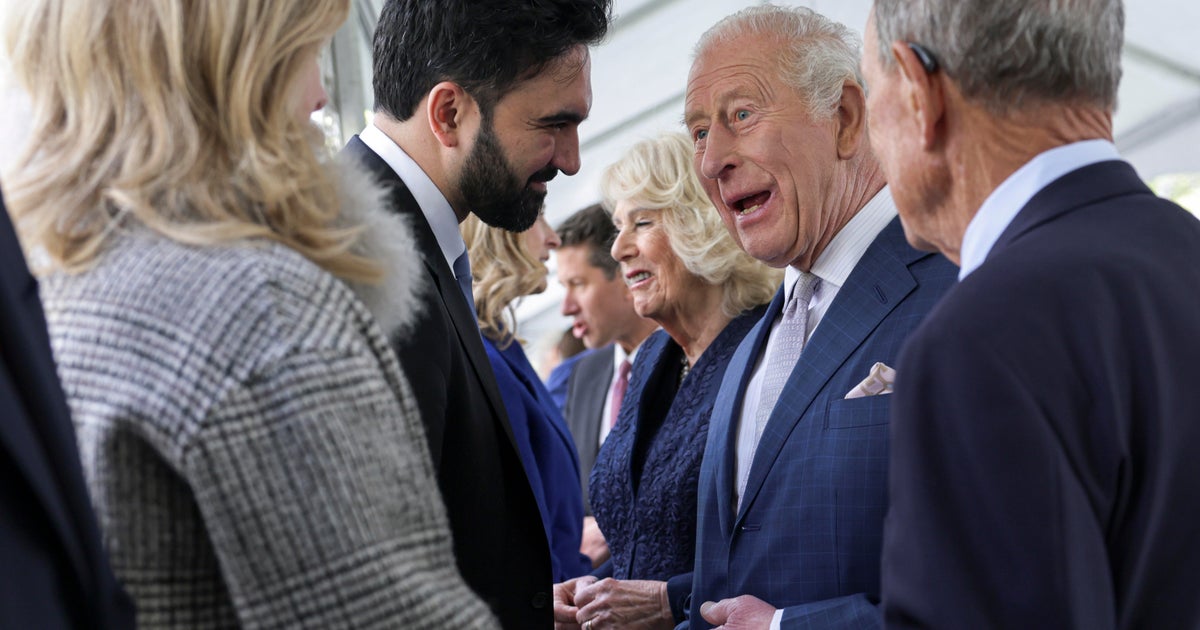
King Charles III and Queen Camilla visited New York City as part of a four-day U.S. trip marking America's 250th anniversary. On Wednesday they participated in a wreath‑laying ceremony at the National 9/11 Memorial & Museum, met families of victims and first responders, and spoke with museum staff about ongoing identification efforts and memorial practices. The royal couple also split engagements: Queen Camilla visited the New York Public Library, gifted a "Roo" doll related to Winnie‑the‑Pooh’s 100th anniversary and met publishing figures; King Charles visited Harlem Grown, toured the urban farm, planted plants, and met young people and community leaders. The British Embassy hosted a UK–U.S. economic event at Rockefeller Center attended by business leaders and UK Foreign Secretary Yvette Cooper; officials cited roughly $1.5 trillion in mutual investment supporting about 2.5 million jobs. That evening the royals attended the King’s Trust Global Gala at Christie’s. The visit followed earlier events in Washington, D.C., including a White House meeting with President Trump and an address to Congress. Authorities reported no credible threats to the royals in New York but noted heightened security and traffic disruptions. The article also notes public discussion about the Koh‑i‑Noor diamond, references the war with Iran and recent U.S. security incidents, and mentions that King Charles has been undergoing treatment for an unspecified form of cancer since February 2024 while maintaining a public schedule.
Biblical Reflection
This article is primarily a descriptive account of a high‑profile diplomatic visit, combining solemn commemoration (the 9/11 ceremony) with cultural, charitable and economic engagements. From a Christian perspective several points stand out: 1) public remembrance and consolation for victims and responders is a moral good—bearing witness to loss honors human dignity and helps communities grieve (Romans 12:15). 2) Diplomatic rituals and charity work (urban farms, youth programs, libraries) reflect stewardship and concern for the vulnerable, aligning with Christian calls to care for neighbors and the poor. 3) Soft power—pageantry, celebrity attendance, and investment summits—can advance common goods (jobs, education), but Christians should discern between substance and spectacle. Media accounts often emphasize celebrity, ceremony and business metrics; they may understate deeper issues raised (historical injustices tied to empire like the Koh‑i‑Noor, structural causes of poverty, or specifics about policy impact). The article is largely factual and balanced in reporting events, but readers should note what it emphasizes (symbolic diplomacy, fundraising, commerce) and what it abridges (policy specifics, the perspectives of affected communities, or detailed follow‑up to memorialized harms). Christian discernment invites us to celebrate genuine acts of compassion and reconciliation, to demand justice where wrongs persist, and to pray for humility, truthfulness, and practical outcomes that protect and uplift the vulnerable rather than merely publicize status.
Scripture in context
This outlook does not yet include contextual Scripture citations. Do not treat a general biblical theme as an exegetical conclusion.
Faithful Response
No prescribed response is offered. Consider the reflection prompts below in your own church context.
Reflection and Discussion
- 1Does the coverage focus more on ceremony and celebrity than on the needs and voices of the people memorialized or served? What is missing from that picture?
- 2When public leaders perform symbolic acts of solidarity (wreath‑laying, donations, speeches), how should we evaluate whether those acts connect to long‑term justice and care?
- 3Are there historical or ethical issues (e.g., the Koh‑i‑Noor, colonial legacies, economic inequality) that the article mentions but does not explore—how should Christians bring those questions into public conversation?
Sources
Reporting links are evidence inputs; Sanctuary News' biblical reflection is commentary.
This outlook currently relies on fewer than two linked sources. Broaden verification before teaching from it.
- 1.Original reportprimary