News Summary
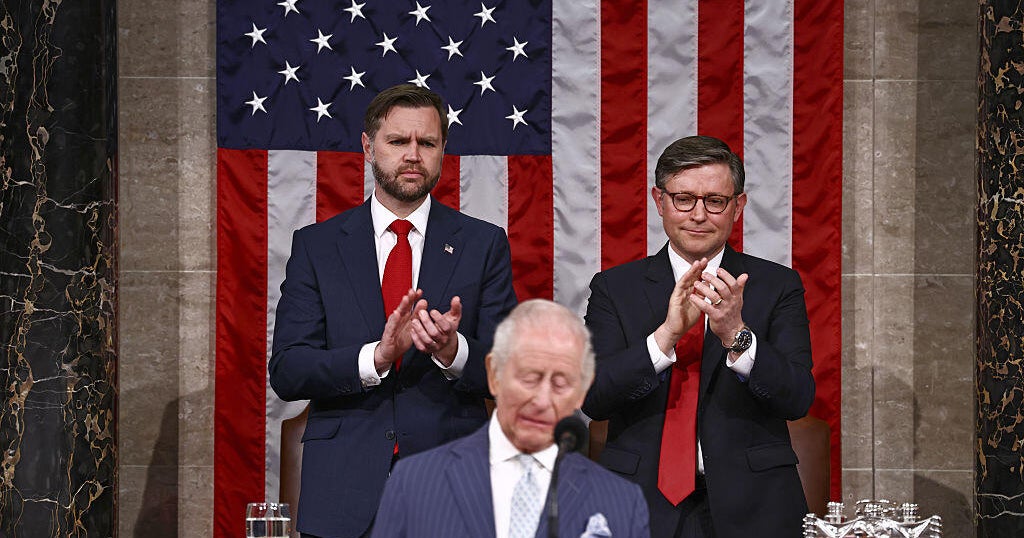
On April 28, 2026, King Charles III addressed a joint meeting of the U.S. Congress — the first British monarch to do so in 35 years. In a roughly 30-minute speech during a state visit to the United States, he urged U.S. lawmakers to renew their commitment to the transatlantic U.S.–U.K. alliance, warning against inward-looking tendencies. He framed the relationship as centuries-long and “one of the most consequential alliances in human history,” cited recent global conflicts (Europe and the Middle East), and called for collective responses to challenges that no single nation can bear alone. The king referenced defense cooperation (including F-35 production and a submarine partnership with the U.S., U.K., and Australia), NATO ties, and support for Ukraine. He also mentioned the recent White House Correspondents’ Dinner shooting and praised those who risk their lives in public service. Prior to the speech he met congressional leaders; President Trump and First Lady Melania Trump hosted a White House arrival ceremony. The visit comes amid reported strains between President Trump and U.K. Prime Minister Keir Starmer over the war in Iran and other issues.
Biblical Reflection
King Charles’ address functioned as a diplomatic, ceremonial appeal for unity, multilateral cooperation, and continued defense partnerships. From a Christian perspective, his call has aspects that resonate with biblical concerns for the common good, peace, and mutual responsibility among nations (caring for vulnerable peoples, resisting isolation). The speech also reflects a worldview that trusts in alliances and institutions to provide security and uphold shared values. That outlook is scripturally consonant insofar as it seeks protection for the weak and pursues peace, but it requires discernment. Christians should note: (1) the monarch’s role is largely moral and ceremonial rather than policy-making; his words aim to shape public sentiment rather than set specific policy; (2) appeals to alliance and security can obscure complex political interests and the limits of military solutions — the gospel calls for justice and reconciliation that sometimes runs counter to purely power-based thinking; (3) bipartisan applause and symbolic gestures can paper over real political tensions (for example, U.S.–U.K. policy differences over Iran and the broader Middle East). In short, the king’s message invites Christians to support efforts that genuinely pursue peace, uphold the vulnerable, and seek justice, while remaining cautious about elevating national security or alliance rhetoric above the pursuit of reconciliation and moral truth. Pray for wisdom in how alliances are used and for leaders to be guided by justice, humility, and a desire for durable peace.
Scripture in context
This outlook does not yet include contextual Scripture citations. Do not treat a general biblical theme as an exegetical conclusion.
Faithful Response
No prescribed response is offered. Consider the reflection prompts below in your own church context.
Reflection and Discussion
- 1What assumptions about security, power, and the role of alliances shape the king’s appeal, and where might those assumptions align with or conflict with Christian commitments to peacemaking and justice?
- 2How should Christians weigh the moral witness of symbolic, ceremonial leadership (such as a monarch’s speech) against the concrete policy decisions made by governments?
- 3When leaders call for unity around defense and alliances, what questions should we ask to distinguish sincere efforts to protect the vulnerable from rhetoric that primarily serves strategic or political interests?
Sources
Reporting links are evidence inputs; Sanctuary News' biblical reflection is commentary.
This outlook currently relies on fewer than two linked sources. Broaden verification before teaching from it.
- 1.Original reportprimary