News Summary
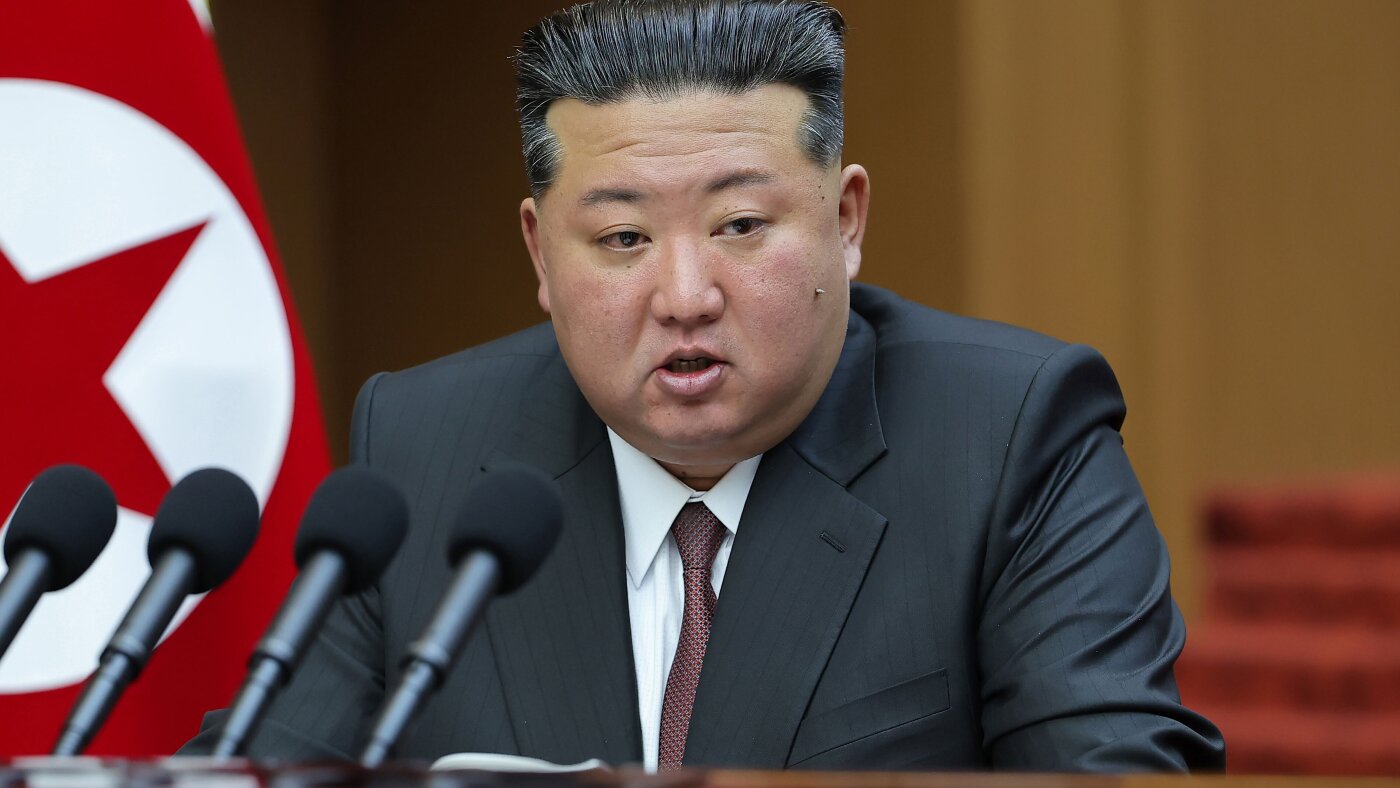
North Korean leader Kim Jong Un told Pyongyang's Supreme People's Assembly that the country will "irreversibly" cement its status as a nuclear power while maintaining a hard-line posture toward South Korea, which he described as the "most hostile" state. In his speech Kim accused the United States of global "state terrorism and aggression," aligned his remarks with positions voiced at the recent Workers' Party Congress, and left open the possibility of dialogue depending on others' choices. State media reported a revised constitution was passed without detailing changes; expectations existed that revisions might further entrench hostility toward South Korea and remove language about shared nationhood. Analysts interpret Kim's rhetoric as part of a domestic strategy to consolidate authoritarian control, resist South Korean influence, and prepare for a more assertive regional role. The article also notes Kim's recent tilt toward Russia—sending personnel and equipment to support Moscow in Ukraine—and mentions an upcoming invitation to Belarusian President Alexander Lukashenko to visit North Korea.
Biblical Reflection
From a biblical perspective this story raises several concerns. Scripture repeatedly warns against pride, the pursuit of power for its own sake, and trusting in might rather than in God (e.g., Proverbs 16:18). Kim's celebration of nuclear expansion as the guarantor of national dignity echoes a worldview that finds security in weapons and domination rather than in humility, justice, and peace. Jesus calls his followers to be peacemakers (Matthew 5:9) and to love neighbors, even those we regard as enemies (Matthew 5:44). When leaders elevate militarism and demonize other nations as existential threats, the result is hardened enmity, suffering for civilians, and greater peril for the whole region.
That said, Scripture also calls Christians to pray for rulers (1 Timothy 2:1–2), to seek justice, and to show compassion to the vulnerable. The appropriate Christian response is not simplistic approval or naive condemnation of any nation, but sober discernment: to oppose policies that glorify violence and threaten innocent life, to advocate for diplomatic restraint and sanction relief when it can alleviate suffering, and to pray for hearts to be changed. We should remember that nations and leaders are made up of people—many of whom suffer under authoritarian rule—and Christians are called to pursue peace, justice, and the flourishing of all people while resisting the temptation to equate national security with moral virtue. In short: the rhetoric and policies described conflict with biblical calls to humility, peacemaking, and the protection of life, and they call Christians to intercede, witness to peace, and work for policies that reduce the risk of catastrophic harm.
Scripture in context
This outlook does not yet include contextual Scripture citations. Do not treat a general biblical theme as an exegetical conclusion.
Faithful Response
No prescribed response is offered. Consider the reflection prompts below in your own church context.
Reflection and Discussion
- 1Am I praying for leaders on all sides and asking God to soften hardened hearts and avert violence?
- 2How can I, my church, or community practically support efforts that reduce the danger of conflict and protect vulnerable people affected by state militarism?
- 3Where might I be tempted to place my trust in power, security, or national narratives rather than in God's justice and peace?
Sources
Reporting links are evidence inputs; Sanctuary News' biblical reflection is commentary.
This outlook currently relies on fewer than two linked sources. Broaden verification before teaching from it.
- 1.Original reportprimary