News Summary
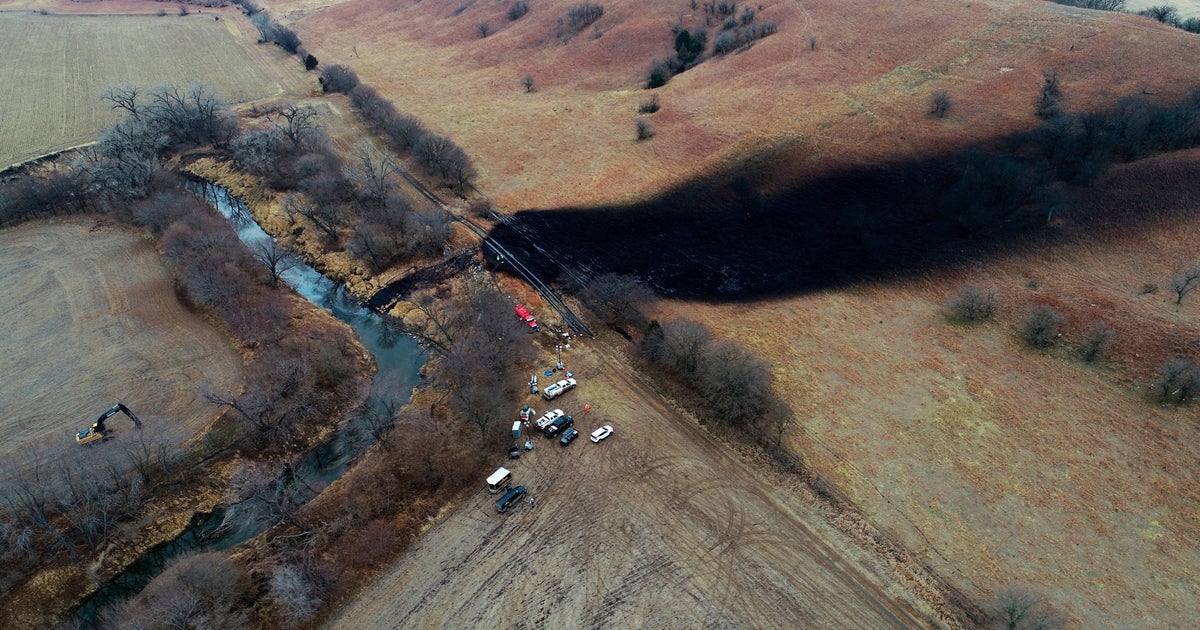
On July 12, 2026 the U.S. government (EPA, Department of Justice) and the state of Kansas announced a proposed settlement requiring South Bow, owner/operator of the Keystone Pipeline segment, to pay $26.9 million in civil penalties and to spend an estimated $40 million on measures to prevent future accidents. Under the proposed decree South Bow would also pay Kansas more than $3 million for environmental restoration projects; a federal judge must approve the settlement after a 30-day public comment period. The settlement resolves alleged violations of federal and state clean water laws connected to a December 2022 rupture that released nearly 13,000 barrels (about half a million gallons) of heavy crude into a Kansas creek in Washington County. No people were injured and public water supplies were not affected; officials say more than 2,700 animals were harmed or killed and the area includes the long‑eared bat, an endangered species. A May 2023 engineering report cited an overstressed pipeline bend and improperly compacted soil beneath the pipe as contributing factors; the complaint says a 2013 re‑excavation did not include replacing that pipe segment. South Bow says it began cleanup work proactively; cleanup was completed in early 2024. TC Energy had built the pipeline and spun off South Bow in 2024. The article also notes that in April 2026 the federal government approved construction of a separate, smaller Canada‑to‑Wyoming pipeline.
Biblical Reflection
The article reports enforcement action and restoration funding after a significant environmental harm. Factually it centers on government findings and penalty figures and gives some company context; the company voice is limited to stating it began cleanup. The underlying issues raise questions about stewardship, corporate responsibility, and infrastructure oversight: whether short‑term cost savings or construction decisions led to avoidable damage, and whether regulatory and monitoring systems prevented that harm or only responded afterward. From a Christian perspective, the story underscores the biblical call to care for creation and to protect vulnerable neighbors (including local communities and wildlife). Justice demands accountability and meaningful restoration when harm occurs, but mercy and repentance also call for sincere corporate change that prioritizes safety and repair over image management. Readers should weigh the settlement’s material adequacy against the ecological and community losses and ask whether this resolution will reduce future risk or merely pay a penalty without systemic change. The narrative is largely aligned with public records and statements; remaining bias mainly comes from limited corporate perspective and lack of long‑term monitoring detail.
Scripture in context
This outlook does not yet include contextual Scripture citations. Do not treat a general biblical theme as an exegetical conclusion.
Faithful Response
No prescribed response is offered. Consider the reflection prompts below in your own church context.
Reflection and Discussion
- 1Do the penalties and required prevention spending meaningfully change incentives so companies prioritize safety and ecological care over cost-cutting?
- 2How does our regulatory and economic system treat nonhuman neighbors and local communities when environmental harm occurs—are restoration efforts proportionate and lasting?
- 3When reports of negligence surface, are we holding not just individuals but systems and incentives accountable so the same harms are less likely to repeat?
Sources
Reporting links are evidence inputs; Sanctuary News' biblical reflection is commentary.
This outlook currently relies on fewer than two linked sources. Broaden verification before teaching from it.
- 1.Original reportprimary