News Summary
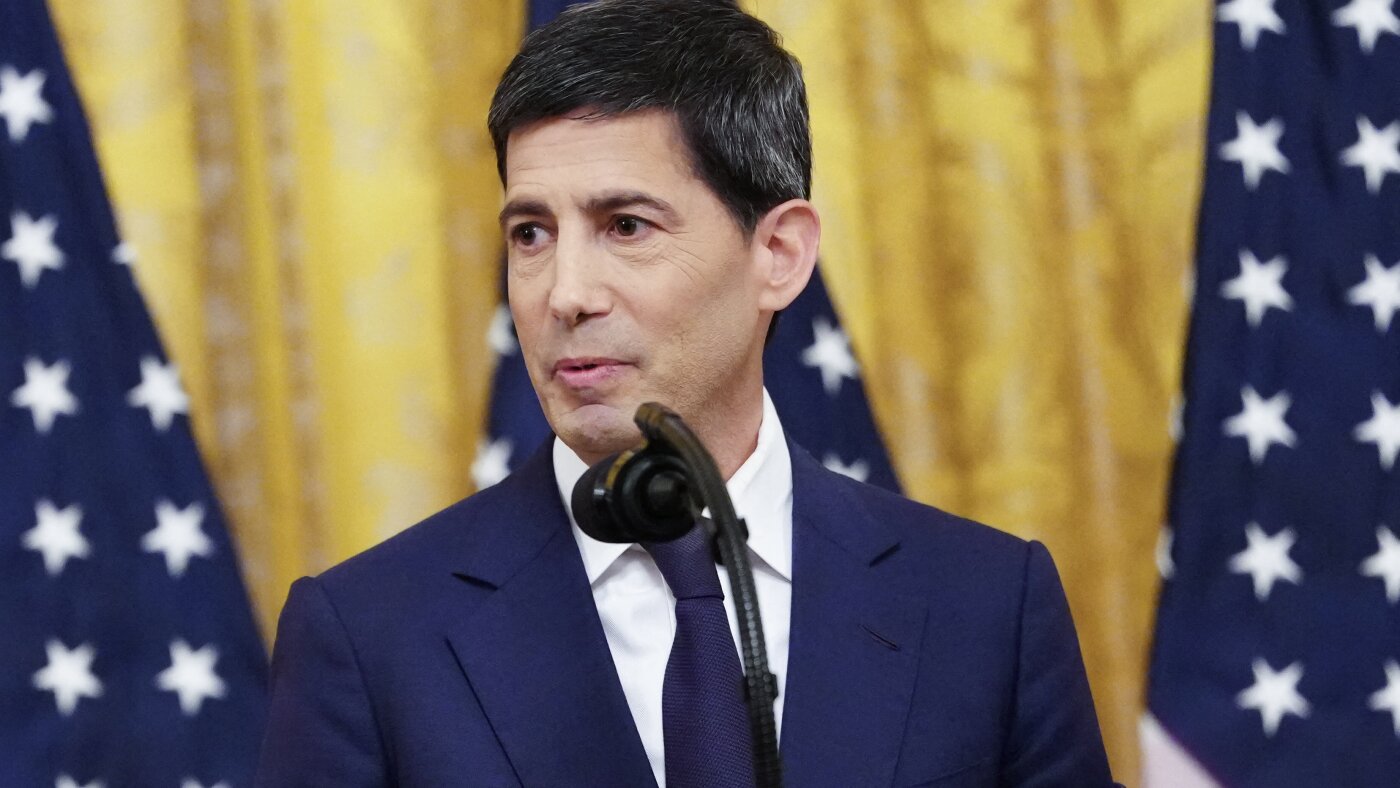
Kevin Warsh is holding his first meeting and news conference as Chair of the Federal Reserve's policy committee. With U.S. consumer prices up 4.2% year-over-year in May — the largest annual increase since 2023 — and a recent spike in energy prices tied to the U.S. conflict with Iran that disrupted tanker traffic through the Strait of Hormuz, the Fed is widely expected to leave its benchmark interest rate unchanged at this meeting. Gasoline remains more than a dollar per gallon above pre-war levels despite a recent lull in oil prices. Policymakers note that raising interest rates has limited effect on supply-driven price shocks like higher oil. In March, Fed officials had on average expected one quarter-point rate cut this year, but markets now expect rates to be higher by year-end; some Fed members have signaled a future rate increase is possible. Warsh has criticized the Fed's public rate forecasts (the "dot plot") and favors less public signaling by policymakers, though other independent committee members may continue regular public communications. Jerome Powell, Warsh's predecessor, has unusually stayed on the Fed's governing board after his chair term ended, a decision the article links to intense pressure from President Trump, including attempts to remove officials and involve the Justice Department; Powell says he will keep a low profile to preserve the Fed's independence.
Biblical Reflection
The article reports on economic and institutional developments with a pragmatic emphasis: a geopolitical shock has raised prices, constraining monetary options and complicating the Fed's policy path. It responsibly notes the limits of interest-rate tools against supply shocks and highlights the tension between political pressure and central-bank independence. Readers should note the piece mixes economic reporting with political context; phrases describing presidential pressure are factual but carry evaluative weight, so discernment is useful. From a Christian perspective, the key concerns are truthfulness about causes and limits of policy, humility among leaders, and care for those harmed by rising costs. Economic decisions and political interference have real consequences for ordinary people—especially the poor and elderly—so Christians should advocate for policies and institutions that practice stewardship, protect the vulnerable, and preserve institutional integrity rather than partisan advantage. Pray for wisdom for monetary and political leaders, and resist quick partisan readings that obscure the human cost behind economic headlines.
Scripture in context
This outlook does not yet include contextual Scripture citations. Do not treat a general biblical theme as an exegetical conclusion.
Faithful Response
No prescribed response is offered. Consider the reflection prompts below in your own church context.
Reflection and Discussion
- 1When stories link economic pain to geopolitical events, whose experiences are centered — markets and investors or families facing higher living costs?
- 2How should Christians weigh the need for institutional independence against legitimate democratic accountability when public leaders pressure technical institutions?
- 3What assumptions about expertise, communication, and transparency underlie calls for officials to 'say less' or 'talk more' — and which serve the common good?
Sources
Reporting links are evidence inputs; Sanctuary News' biblical reflection is commentary.
This outlook currently relies on fewer than two linked sources. Broaden verification before teaching from it.
- 1.Original reportprimary