News Summary
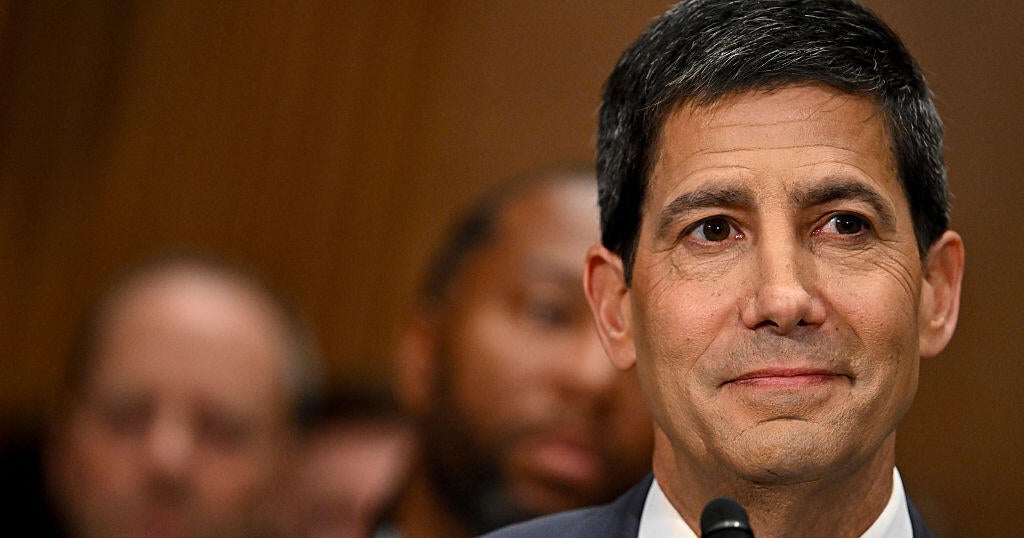
On June 16, 2026, Federal Reserve Chair Kevin Warsh is holding his first press conference following the Fed's policy announcement. Warsh, who replaced Jerome Powell last month and has said the Fed will remain independent, inherits an economy with rising inflation—the Consumer Price Index rose 4.2% year-over-year in May—partly attributed in the article to higher oil and gas prices after the Iran war began in late February. Economists and investors overwhelmingly expect the Fed to keep the federal funds rate unchanged at 3.5%–3.75% at this meeting. The Fed's Summary of Economic Projections and the dot plot, released with the policy statement, will show policymakers’ forecasts for growth, unemployment and future rate expectations; the dot plot may show the Fed on hold for the remainder of 2026 though some FOMC members could signal rate hikes. Warsh has indicated a preference for less forward guidance and suggested gains in productivity from AI could ease inflationary pressure. The article notes political pressure for lower rates from former President Trump and that Powell remains a Fed governor after stepping down as chair. No immediate policy change is expected at this meeting, but the focus is on how Warsh frames future communication and policy direction.
Biblical Reflection
This article centers on a technical but consequential moment for public economic stewardship: the new Fed chair's first public communication while inflation is re-accelerating. From a Christian perspective, the key concerns are truthfulness in public communication, prudence in stewarding the common good, and care for the vulnerable who bear disproportionate burdens from inflation and interest-rate shifts. The piece is largely factual but emphasizes Warsh’s debut and market signaling over deeper analysis of distributive effects—revealing a market-centered worldview that privileges investor confidence and forecasting. Christians should discern that monetary policy isn’t merely abstract: choices about rates affect jobs, prices, savings, and the poor. We should value institutional independence and expert judgment, yet remain alert to political pressures and the temptation to prioritize short-term market calm over long-term justice and stability. Pastoral response: pray for wisdom, demand clear and honest communication from leaders, and advocate policies that protect those least able to absorb economic shocks.
Scripture in context
This outlook does not yet include contextual Scripture citations. Do not treat a general biblical theme as an exegetical conclusion.
Faithful Response
No prescribed response is offered. Consider the reflection prompts below in your own church context.
Reflection and Discussion
- 1Whose material well-being is most affected by rate decisions, and how does that shape the moral weight of Fed communications?
- 2How does the article’s focus on markets and the chair’s persona influence public trust and understanding of technical policy decisions?
- 3Are we trusting expertise and institutional independence appropriately, or are political and short-term pressures crowding out concern for long-term common good?
Sources
Reporting links are evidence inputs; Sanctuary News' biblical reflection is commentary.
This outlook currently relies on fewer than two linked sources. Broaden verification before teaching from it.
- 1.Original reportprimary