News Summary
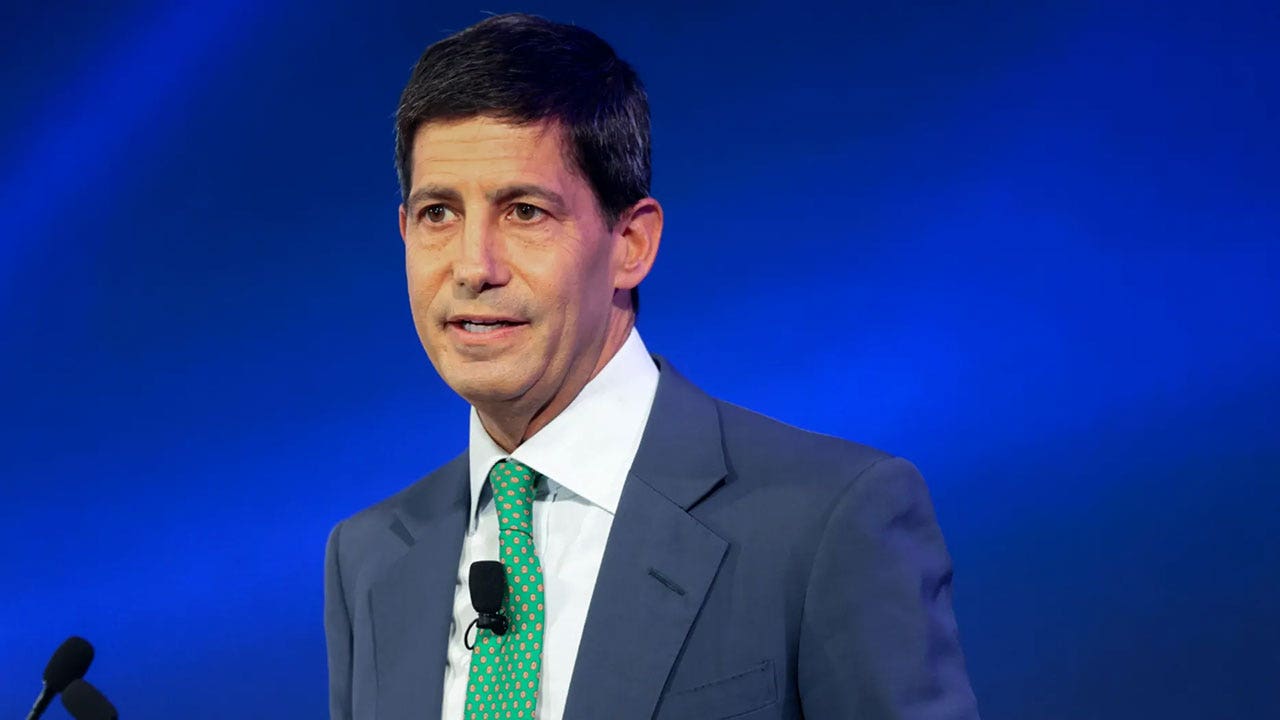
President Donald Trump has nominated Kevin Warsh to serve as Chair of the Federal Reserve for a four-year term as current Chair Jerome Powell’s term ends on May 15, 2026. Warsh appeared for a Senate confirmation hearing where senators questioned his views on inflation, the Fed’s independence, and the central bank’s role. The Fed is under multiple pressures: the Department of Justice is conducting a criminal probe involving Powell related to Fed headquarters renovations; the Supreme Court is considering cases that could affect Fed independence; and high borrowing costs are drawing political scrutiny. Senator Thom Tillis signaled he may withhold committee support for Warsh unless the DOJ investigation into Powell is resolved or dropped. Warsh’s background: bachelor’s degree in public policy from Stanford (1992), law degree from Harvard (1995), a career at Morgan Stanley, service as the youngest member of the Fed’s Board of Governors in 2006, and prior White House economic roles during the Bush administration. Republicans are pursuing a timely confirmation amid disagreement within the party and broader debate over how political pressure and legal actions intersect with the Fed’s institutional independence.
Biblical Reflection
From a Christian perspective, this story highlights tensions between legitimate accountability and the danger of partisan pressure undermining vital institutions. The article reports factual developments: a nomination, a hearing, legal and political actions that could affect the Fed’s independence. Readers should note implicit frames: emphasizing conflict (Trump vs. Powell) can make institutions appear primarily political rather than institutional and fiduciary. Biblical wisdom calls Christians to value truth, justice, and wise stewardship of public resources (Proverbs, Micah). Accountability and lawful investigation are appropriate when misconduct is suspected, but investigations or political maneuvers that are weaponized to intimidate independent governance risk harm to the common good—higher borrowing costs and instability affect ordinary families and the vulnerable. Christians should weigh three goods: the need for transparent, lawful accountability; the need to protect institutional independence so experts can steward the economy responsibly; and the need to guard against tribalism that treats opponents as enemies. Discernment requires asking whether coverage privileges outrage over sober assessment and whether calls for action rest on evidence or political calculation. Pray for leaders to seek wisdom, fairness, and the public interest rather than partisan advantage.
Scripture in context
This outlook does not yet include contextual Scripture citations. Do not treat a general biblical theme as an exegetical conclusion.
Faithful Response
No prescribed response is offered. Consider the reflection prompts below in your own church context.
Reflection and Discussion
- 1Does the reporting distinguish clearly between verified evidence and political rhetoric, or does emphasis on conflict encourage a partisan reading of institutional actions?
- 2How should Christians balance the call for lawful accountability with the need to preserve institutional independence that protects the common good?
- 3What signs of tribalism or fear-based framing appear in this story, and how might those frames shape public trust in economic institutions?
Sources
Reporting links are evidence inputs; Sanctuary News' biblical reflection is commentary.
This outlook currently relies on fewer than two linked sources. Broaden verification before teaching from it.
- 1.Original reportprimary