News Summary
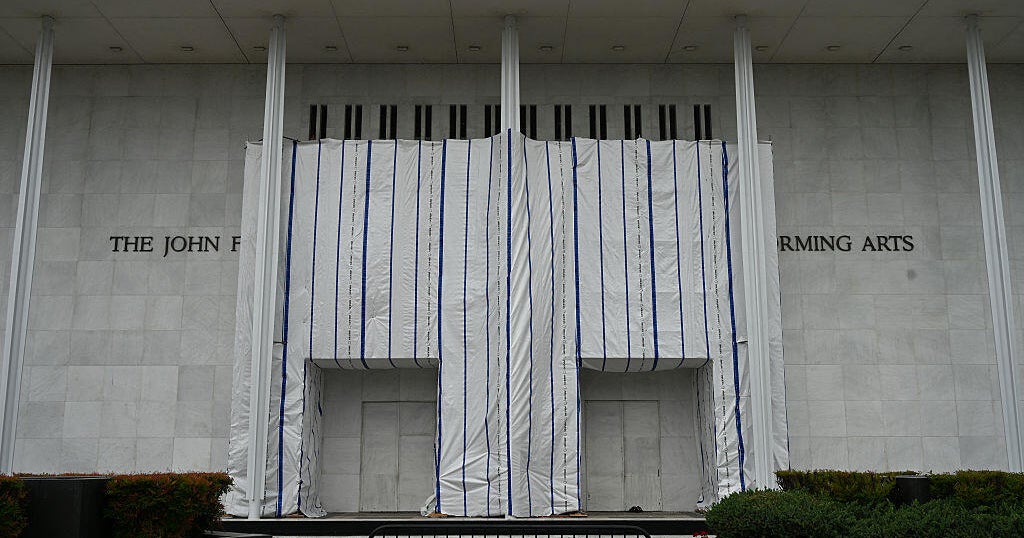
U.S. District Judge Christopher Cooper last month issued a preliminary injunction blocking the Kennedy Center’s planned two-year closure for renovations and ordered removal of then-President Trump’s name from the institution, finding the board overstepped its authority and acted derelict in some duties. In a court filing, Kennedy Center Executive Director Matt Floca said the board will meet in mid‑July to choose among three options for forthcoming work: a full closure with no public programs, a partial closure with limited programming and public access, or a phased series of closures with more programming. The Justice Department asked the district court for more time to update the judge because the center is still deciding how to proceed and proposed a joint status report after the July board meeting. Representative Joyce Beatty sued to block the closure; her lawyers say the administration has gutted programming, is failing to restore meaningful operations by the July 5 date set in the injunction, and asked the court for weekly updates and discovery scheduling. The Trump administration removed the president’s name from the building façade, website, signage and documents after the appeals court denied a stay; photos showed a tarp covering the area where the name had been removed. The district court allowed repair work to continue but emphasized that any board decision should follow independent balancing of the center’s obligations and noted that only Congress can change the Kennedy Center’s statutory name.
Biblical Reflection
This story raises questions about stewardship, public trust, and the proper boundaries between political power and cultural institutions. Objectively, the court’s rulings and the filings reflect a legal process constraining unilateral action by the board and protecting public access to a federally chartered institution. The administration’s actions—reconstituting the board, renaming the center, and pausing programming—look, in the view of the plaintiff and the judge, like politicization of a public cultural resource; the administration frames the changes as governance and repair decisions. Christians should notice two tensions: fidelity to truth and lawful process, and mercy toward communities that depend on cultural access. Humble stewardship requires transparent decision‑making, accountability, and care for neighbors who benefit from the arts. Politicizing a national cultural trust for personal honor clashes with biblical calls to servant leadership, while genuine repair and fiscal responsibility are legitimate concerns. The reportage appears to present the legal facts and positions of both sides; readers should watch for rhetorical framing that emphasizes one motive over another and remember courts are weighing authority, procedure, and public interest rather than adjudicating broader political popularity.
Scripture in context
This outlook does not yet include contextual Scripture citations. Do not treat a general biblical theme as an exegetical conclusion.
Faithful Response
No prescribed response is offered. Consider the reflection prompts below in your own church context.
Reflection and Discussion
- 1Who has legitimate authority over public cultural institutions, and how should Christians weigh obedience to lawful process against demands for moral accountability?
- 2What signs indicate that a civic institution is being politicized for personal or partisan gain rather than stewarded for the common good?
- 3How should the church and Christian citizens value and defend public spaces that nurture community, beauty, and creative expression?
Sources
Reporting links are evidence inputs; Sanctuary News' biblical reflection is commentary.
This outlook currently relies on fewer than two linked sources. Broaden verification before teaching from it.
- 1.Original reportprimary