News Summary
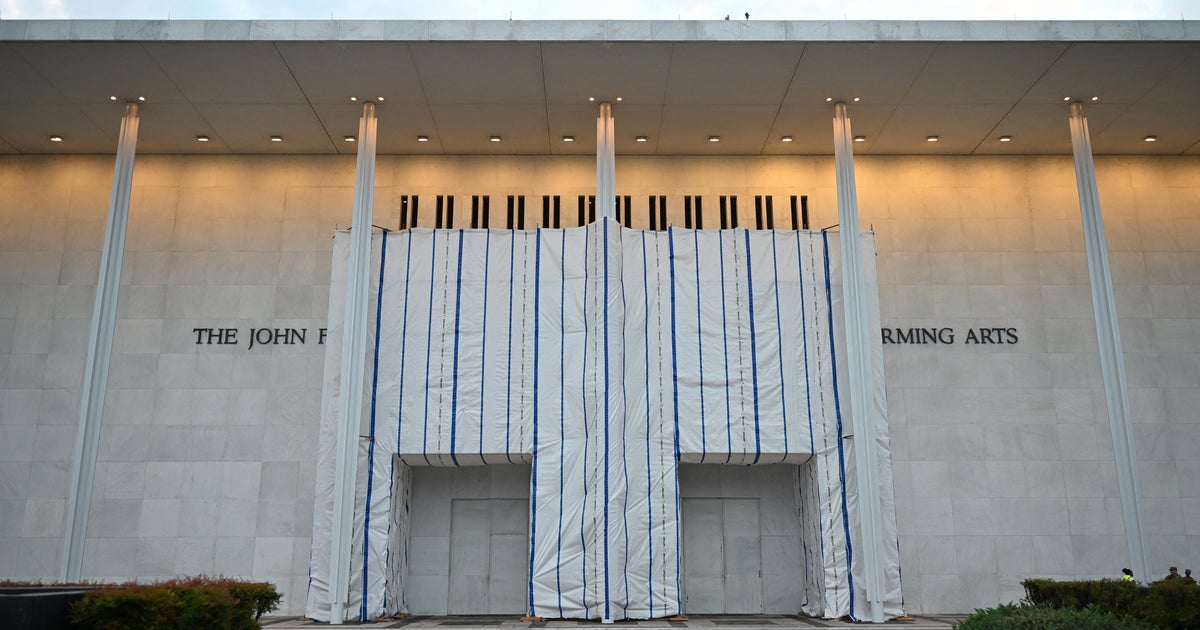
The Kennedy Center is selling tiered ticket packages to view Washington, D.C.'s July 4 fireworks from its roof terrace, including a "presidential" package priced at $25,000 for up to 36 guests, a "vice-presidential" package up to $15,000 for 24 guests, and a "statesman" package at $7,500. Higher tiers include reserved tables, parking, indoor lounge access, event signage recognition, and listed sponsorship on the event map; portions of the package costs are described as tax-deductible. Single tickets start at $425 and children's tickets at $125, with a limited number per customer; the Kennedy Center also offers free viewing at its REACH plaza. The fireworks event is sponsored by the Trump-backed group Freedom 250, and former President Trump is scheduled to speak before the fireworks, which are slated for late evening. The article notes it is unclear where proceeds from ticket sales will go. It also summarizes the broader institutional dispute: the Kennedy Center has undergone board changes and a controversial renaming and subsequent court-ordered restoration of its original name after the addition of Donald J. Trump’s name; legal filings claim donations made during the period with Trump’s name may need to be returned, potentially in large sums. Construction and programming have been disrupted, tarps remain on the facade, many staff reportedly dismissed, and a judge halted planned construction and closure that had been scheduled after July 5.
Biblical Reflection
The report raises questions about stewardship, transparency, and the politicization of a national cultural institution. Selling exclusive, costly access alongside a free public option is not inherently wrong, but when a public-facing nonprofit is entangled with political figures and legal disputes over naming, donations, and governance, ethical concerns about equitable access, donor intent, and accountability become sharper. The article itself is factual but centers on the transactional and political details; it does not resolve where ticket revenue will be allocated nor fully explain the legal claims about refunding donations, so readers must note gaps in information. From a Christian perspective, institutions entrusted with public heritage should practice clear stewardship, prioritize the common good over prestige, and protect vulnerable staff and programming when leadership changes. The involvement of partisan actors and branding decisions that may obligate costly refunds suggests a worldview that privileges influence and legacy-building; Christian virtues call for humility, honesty about financial and legal responsibilities, and care for neighbors impacted by institutional instability.
Scripture in context
This outlook does not yet include contextual Scripture citations. Do not treat a general biblical theme as an exegetical conclusion.
Faithful Response
No prescribed response is offered. Consider the reflection prompts below in your own church context.
Reflection and Discussion
- 1Who stands to benefit materially and reputationally from exclusive event packages, and are donors and the public being given clear information about how funds will be used?
- 2How does politicizing the leadership or naming of a cultural institution affect public trust, the institution’s mission, and the welfare of staff and audiences?
- 3What governance and transparency safeguards should a civic cultural institution have to prevent decisions that could force large refunds or disrupt operations?
Sources
Reporting links are evidence inputs; Sanctuary News' biblical reflection is commentary.
This outlook currently relies on fewer than two linked sources. Broaden verification before teaching from it.
- 1.Original reportprimary