News Summary
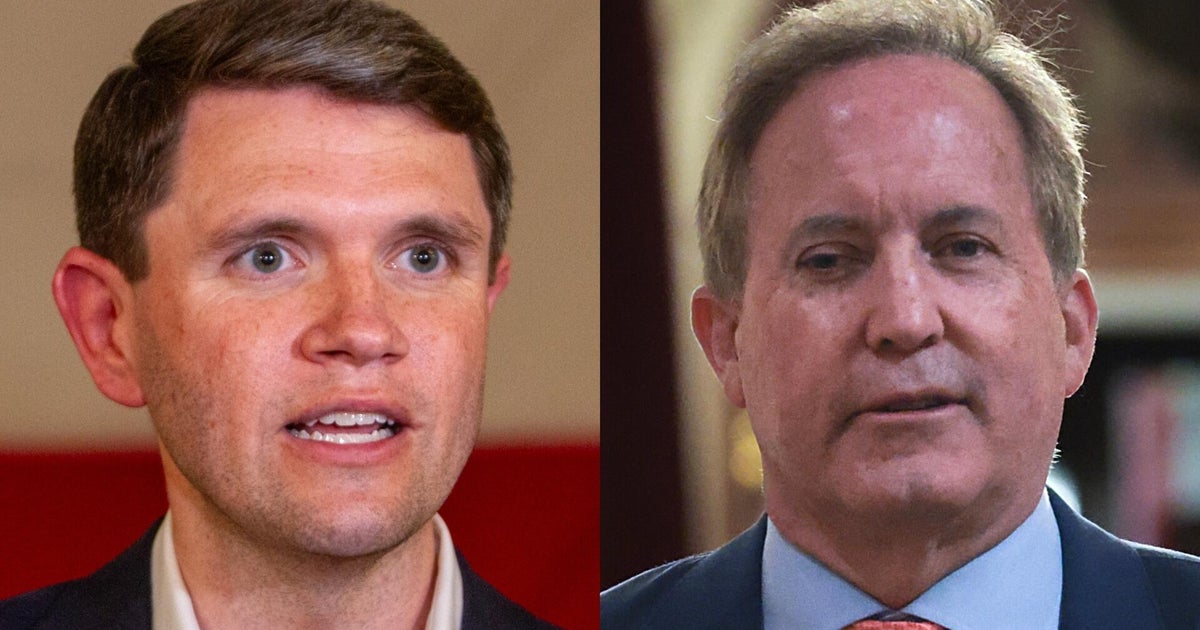
Texas' November ballot for the U.S. Senate was set after GOP primary runoffs where incumbent Sen. John Cornyn lost to Texas Attorney General Ken Paxton by about 27 percentage points. Former President Donald Trump endorsed Paxton a week before the runoff; the article reports that endorsement was a decisive factor. Democratic state Rep. James Talarico had already won his party's nomination in March and will face Paxton in November. With Paxton as the GOP nominee, the Cook Political Report shifted Texas from 'likely' to 'leaning' Republican, making the state more competitive for Democrats. The piece summarizes Paxton's record: he sued the Obama and Biden administrations, joined efforts to overturn the 2020 election results (a case rejected by the Supreme Court), was indicted on securities fraud charges in 2015 (charges later dropped in 2024 via a pretrial diversion agreement), and was impeached by the Texas House in 2023 but acquitted by the state Senate; his office still faces obligations to pay at least $6.7 million to whistleblowers. The article also highlights downballot outcomes and effects of mid-decade redistricting in Texas — including several incumbent matchups and open-seat contests — and notes notable primary results such as Bo French winning a railroad commissioner runoff and Christian Menefee defeating longtime Rep. Al Green in the new 18th District. Latino voters, who make up roughly 40% of Texas' population, are identified as a crucial swing group; the article cites shifts in Latino voting patterns in 2024 and recent turnout increases for Democrats in South Texas. Finally, the report documents allegations of antisemitic language from some candidates (notably Maureen Galindo and posts by Bo French) and the political fallout from those allegations.
Biblical Reflection
This news underscores how loyalty, power, and personality often shape political outcomes as much as policy. From a Christian perspective, a few moral realities stand out: leaders must be held accountable for wrongdoing and for the character they bring to public office; truth matters — independent facts about lawsuits, indictments, and official duties should guide judgment rather than partisan loyalty; and rhetoric that dehumanizes or scapegoats religious or ethnic groups requires explicit condemnation. The article's framing emphasizes Trump's endorsement and factional divides within the GOP; readers should note how endorsements and personality politics can crowd out sustained attention to the common good and to practical solutions for neighbors (for example, the article notes cost-of-living concerns are top priorities for many Latino voters). Christians are called both to seek justice (calling out corruption and harm) and to practice mercy (avoiding slander), to pursue humility instead of tribal arrogance, and to love the neighbor whose safety and dignity are at stake in public policy debates. Finally, pay attention to how media narratives highlight certain elements (endorsements, scandals, tribal labels) while giving less space to detailed policy comparisons — discernment requires looking past headlines to the concrete impacts leaders' decisions will have on vulnerable people.
Scripture in context
This outlook does not yet include contextual Scripture citations. Do not treat a general biblical theme as an exegetical conclusion.
Faithful Response
No prescribed response is offered. Consider the reflection prompts below in your own church context.
Reflection and Discussion
- 1How do endorsements and loyalty-driven politics shape which virtues (truth, service, courage) we reward or ignore in leaders?
- 2What deeper needs—economic insecurity, safety, dignity—are driving shifts among Latino voters, and how should Christians weigh those needs when evaluating candidates?
- 3When reporting highlights scandal and spectacle, what additional information about policy and the common good should you seek before forming a lasting judgment?
Sources
Reporting links are evidence inputs; Sanctuary News' biblical reflection is commentary.
This outlook currently relies on fewer than two linked sources. Broaden verification before teaching from it.
- 1.Original reportprimary