News Summary
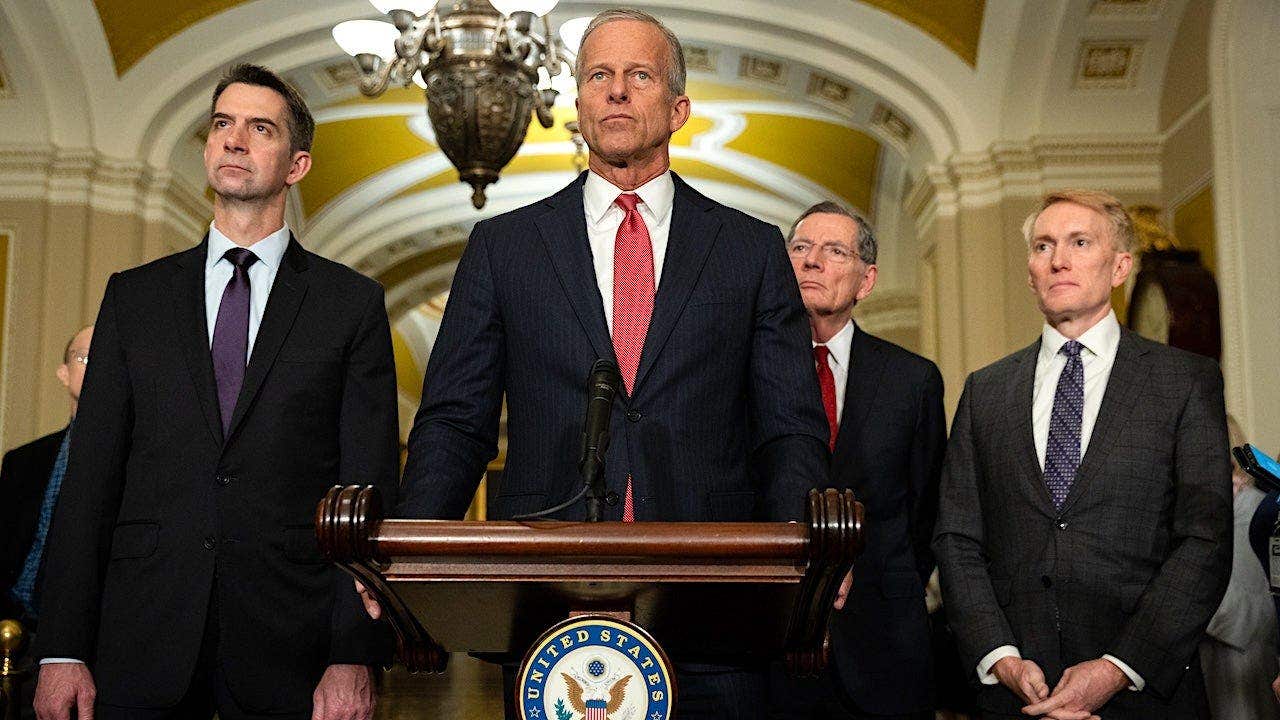
Opinion column responding to the May 26, 2026 Republican primary in Texas in which Attorney General Ken Paxton defeated incumbent Sen. John Cornyn by approximately 28 points. The column notes that President Donald Trump made a late endorsement of Paxton but argues the margin reflects broader voter frustration with what the author calls a "do‑nothing" Republican Senate and its adherence to the 60‑vote filibuster threshold. The piece cites other recent GOP primary losses or retirements (Sen. Bill Cassidy lost a primary; Sen. Thom Tillis declined to run again) and states that Sen. John Thune, as Senate Majority Leader, has now presided over two sitting members losing primaries in a single cycle. The author contends that Republican voters are signaling they prefer a Senate willing to eliminate the filibuster to pass party priorities, and questions whether Senate leadership will respond. The article is clearly an opinion column and frames these developments as both a rebuke of Senate leadership and evidence of grassroots voter anger.
Biblical Reflection
This is a partisan opinion piece that reads the Paxton victory as a mandate from Republican voters to change Senate strategy, especially regarding the filibuster. As with all opinion journalism, it mixes factual reporting (results, endorsements, personnel changes) with interpretation and prescription (blame for leadership, calls to 'nuke' the filibuster). Christians should recognize legitimate democratic impulses in voter frustration—people rightly want effective governance—but also be wary of rhetoric that amplifies anger, reduces complex causes to single explanations, or treats political victory as moral vindication. The author’s claims about voter motives are plausible but not the only interpretation; many factors drive elections. Pastoral discernment calls us to test assertions, avoid partisan demonization, and seek policies that serve the common good rather than purely partisan advantage. In public life, truth, humility, and love for neighbor require holding leaders accountable without surrendering to polarizing rhetoric or treating civic opponents as enemies.
Scripture in context
This outlook does not yet include contextual Scripture citations. Do not treat a general biblical theme as an exegetical conclusion.
Faithful Response
No prescribed response is offered. Consider the reflection prompts below in your own church context.
Reflection and Discussion
- 1What assumptions does the author make about voters’ motives, and how might other factors (local dynamics, candidate records, turnout) also explain the result?
- 2Does framing political change as a moral victory help or hinder the church’s witness of peace, truth, and neighbor‑love in a polarized moment?
- 3When writers call for structural remedies (like eliminating the filibuster), are they weighing long‑term common good and minority protections, or primarily short‑term partisan gains?
Sources
Reporting links are evidence inputs; Sanctuary News' biblical reflection is commentary.
This outlook currently relies on fewer than two linked sources. Broaden verification before teaching from it.
- 1.Original reportprimary