News Summary
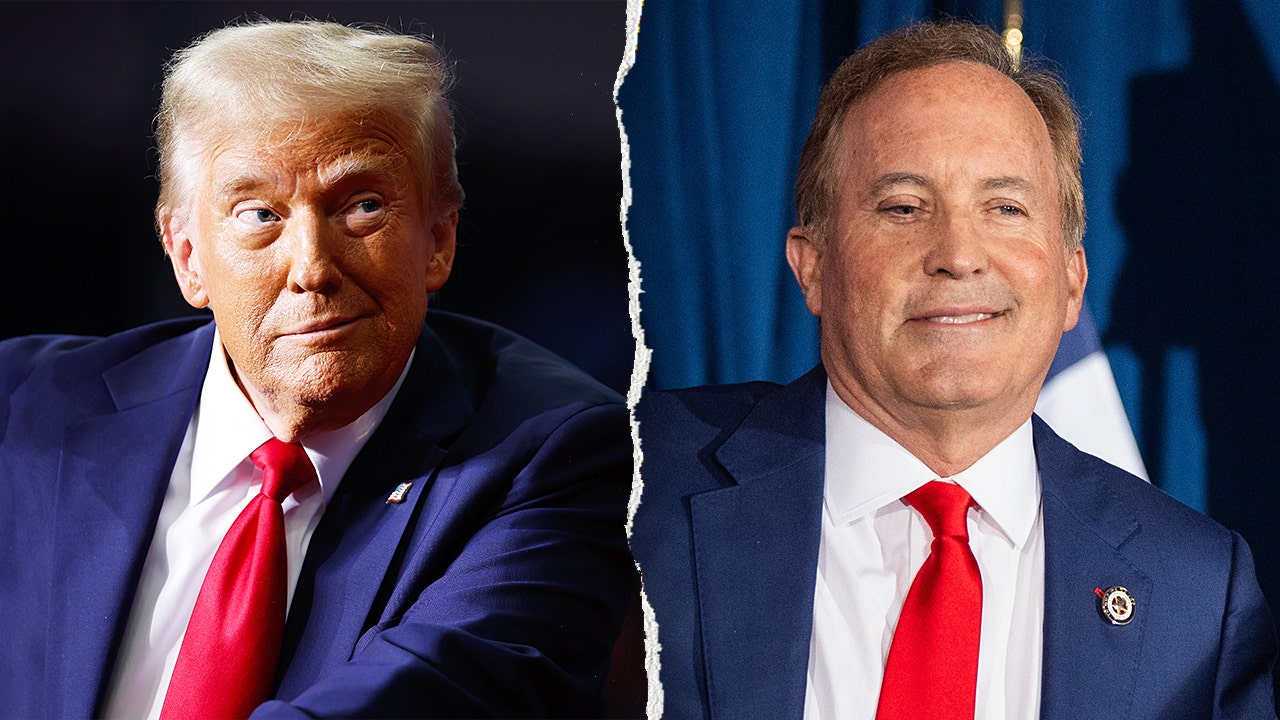
In the May 26, 2026 Texas Republican primary runoff, Attorney General Ken Paxton defeated incumbent U.S. Sen. John Cornyn to win the GOP nomination for U.S. Senate. Paxton credited a last-week endorsement from former President Donald Trump for helping secure his victory. The race drew national attention and was one of the most expensive Senate primaries in U.S. history. Paxton will face Democratic state Rep. James Talarico in the November general election. Observers and Cornyn supporters warned that Paxton’s history of legal controversies—including a 2023 impeachment by the Texas House (acquitted by the state Senate), past indictments, and ongoing personal and legal issues—could make the general election more competitive and require significant Republican spending to defend the seat. Talarico has reported substantial fundraising early in 2026. Commentators quoted in the article argued the result illustrates Trump’s strong influence over GOP primaries and discussed potential consequences for Republican performance in the 2026 midterms.
Biblical Reflection
The article presents a political development with clear winners and losers and emphasizes the practical force of endorsements in intra-party contests. From a Christian perspective, the story invites careful discernment about power, loyalty, and accountability. The praise of endorsement power highlights how personal loyalty and influence shape party decisions; this can lead to short-term electoral gains but can also undermine institutional prudence when character and fitness for office are sidelined. Christians should neither celebrate partisan victory nor reflexively condemn a candidate; instead, evaluate both character and policy impacts on the common good. The piece has an outlet-specific framing that foregrounds Trump’s dominance and GOP internal debate; readers should notice selection of sources and language that amplify concern about down‑ballot risks. Pastoral concerns include the welfare of the polity (justice, peace, truth), the need for leaders to be accountable, and the spiritual hazard of treating political figures as ultimate authorities. Loving our neighbor asks that Christians hold leaders to moral and civic standards while practicing humility and mercy—advocating for truth without dehumanizing opponents.
Scripture in context
This outlook does not yet include contextual Scripture citations. Do not treat a general biblical theme as an exegetical conclusion.
Faithful Response
No prescribed response is offered. Consider the reflection prompts below in your own church context.
Reflection and Discussion
- 1Am I allowing loyalty to a political leader to outweigh concerns about character, accountability, or the common good?
- 2What framing choices in this coverage (quotes selected, labels used, emphasis on endorsement) shape my impression of events, and how should that affect my judgment?
- 3How can Christians seek justice and truth in public life while preserving humility and neighbor-love toward those with different political views?
Sources
Reporting links are evidence inputs; Sanctuary News' biblical reflection is commentary.
This outlook currently relies on fewer than two linked sources. Broaden verification before teaching from it.
- 1.Original reportprimary