News Summary
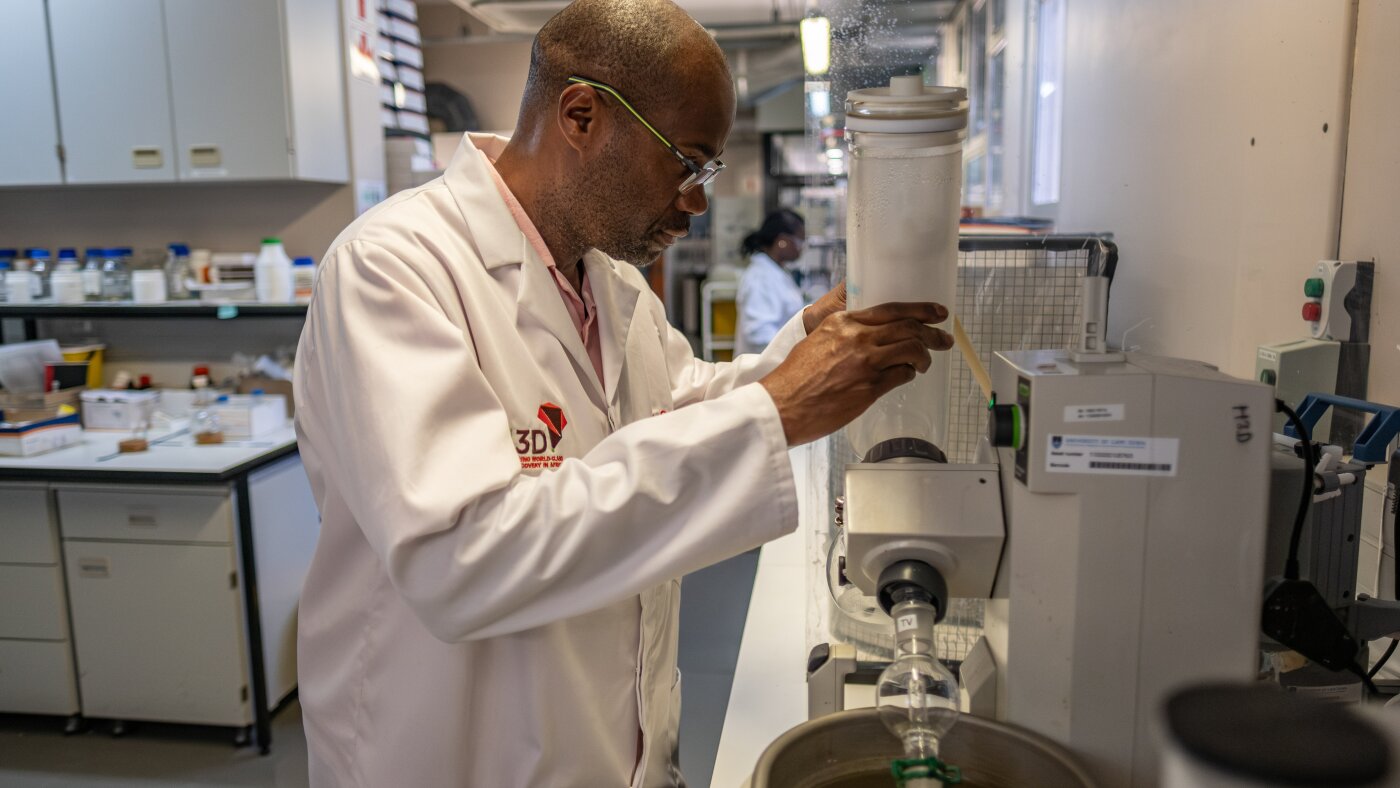
Kelly Chibale, a Zambian-trained organic chemist who trained and worked in the U.K. and U.S., founded the Holistic Drug Discovery and Development (H3D) Centre at the University of Cape Town in 2010 to build Africa-based capacity for discovering new medicines. H3D houses screening facilities, automated compound dispensing, synthetic chemistry, and pharmacology teams focused on diseases that disproportionately affect Africa, including malaria, tuberculosis and antimicrobial resistance. The centre screens large compound libraries, optimizes promising molecules, and moves leads toward clinical trials. An Africa-led malaria candidate reached human trials more than a decade ago but was halted over safety concerns in animal tests. H3D emphasizes the importance of studying diverse African genetics to set safe dosing, and faces cultural barriers (e.g., organ-donation taboos), funding constraints, and the broader challenge of retaining scientific talent on the continent. International researchers praise H3D as an extraordinary, potentially replicable model for Global South drug discovery and urge expanded partnerships across Asia and Latin America.
Biblical Reflection
From a biblical perspective this story touches on several clear virtues and warnings. Chibale’s path reads like a vocational calling: a gifted scientist returning to serve his neighbors and build local capacity. Scripture commends the faithful stewardship of gifts (1 Peter 4:10) and the pursuit of neighborly flourishing (Luke 10:25–37). Building institutions that address diseases where suffering is greatest embodies Christian concern for justice and the least advantaged (Matthew 25:35–40). The centre’s emphasis on ethical caution in trials, attention to population differences, and humility in the face of setbacks (the halted malaria candidate) aligns with biblical wisdom: pursue good works with prudence and care for the vulnerable (Proverbs 2:6; James 3:17). At the same time, Christians should be alert to potential pitfalls: allowing prestige, nationalism, or profit motives to eclipse compassion; replicating colonial dynamics where outsiders set agendas; or neglecting the need for transparency that builds trust with communities historically harmed by medical research. The faithful Christian response is to celebrate and support efforts that heal and empower, advocate for ethically robust and community-centered research, and pray and work for reconciliation where distrust exists. In short: this is largely consonant with biblical truth — a call to use God-given gifts in service of neighbor — while reminding the church to model and push for ethical, humble, and justice-oriented scientific work.
Scripture in context
This outlook does not yet include contextual Scripture citations. Do not treat a general biblical theme as an exegetical conclusion.
Faithful Response
No prescribed response is offered. Consider the reflection prompts below in your own church context.
Reflection and Discussion
- 1How am I (or my church) supporting the use of gifts and resources to meet urgent needs where suffering is greatest?
- 2When scientific progress brings hope, how do we balance eager optimism with ethical caution and respect for communities affected by research?
- 3In what practical ways can Christians encourage local leadership and avoid reproducing colonial patterns in global health and development?
Sources
Reporting links are evidence inputs; Sanctuary News' biblical reflection is commentary.
This outlook currently relies on fewer than two linked sources. Broaden verification before teaching from it.
- 1.Original reportprimary