News Summary
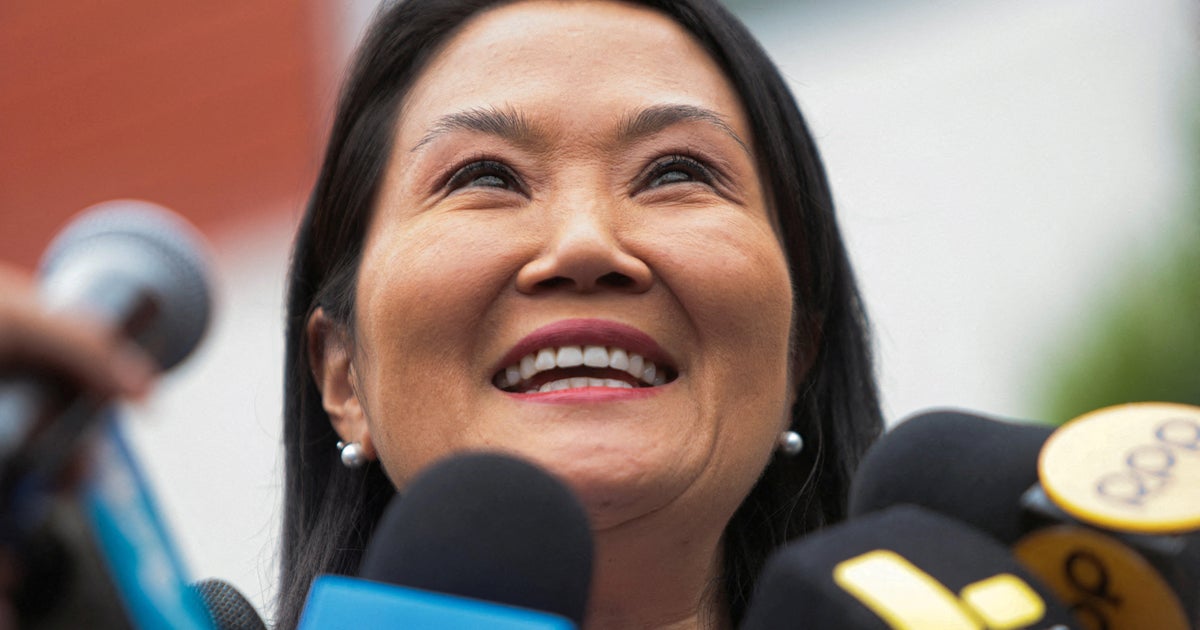
With 99.86% of ballots counted in Peru's June 7 presidential runoff, Keiko Fujimori held 50.12% of the vote, leading her opponent Roberto Sanchez by roughly 43,000 votes, according to the National Office of Electoral Processes. Officials still must process 131 outstanding tally sheets representing about 39,000 votes, which the authority says are insufficient for Sanchez to overtake Fujimori. The electoral body does not plan to declare a winner until mid-July. Sanchez has said he will not recognize a Fujimori government, alleging administrative irregularities in the handling of approximately 300,000 overseas ballots that largely favored Fujimori; Fujimori’s campaign has seen strong support from expatriate voters in the United States and Japan. Fujimori’s party said it would wait for the count to finish before declaring victory. The winner is scheduled to take office July 28 for a five-year term. Observers note the result would continue a broader rightward trend in parts of Latin America and highlights sharp divisions within Peru between coastal urban areas and more rural, Indigenous regions.
Biblical Reflection
From a Christian perspective, the story raises urgent concerns about truth, justice, and the common good. Claims of irregularities and a refusal to accept results risk undermining trust in institutions; Christians should press for transparent, evidence-based processes that protect the integrity of elections rather than amplify partisan accusation. The electoral dynamics described—appeals to security, overseas diaspora influence, and deep regional and cultural divides—reflect underlying fears and grievances that can be stoked by leaders on both sides. The faithful response is neither blind partisanship nor cynical withdrawal but a commitment to truth-telling, patient pursuit of justice, and tender concern for those most vulnerable to political instability (including Indigenous and rural communities). Media framing that emphasizes a regional “move to the right” can simplify complex local realities; readers should discern between trend-notes and deterministic claims. Above all, Christians should pray and work for a peaceful transition, institutional accountability, and policies that serve the poor and promote reconciliation rather than deepen polarization.
Scripture in context
This outlook does not yet include contextual Scripture citations. Do not treat a general biblical theme as an exegetical conclusion.
Faithful Response
No prescribed response is offered. Consider the reflection prompts below in your own church context.
Reflection and Discussion
- 1Are the allegations about overseas ballots being reported with clear evidence, or are they being used to delegitimize the outcome without proof?
- 2Which fears and hopes (security, economic stability, identity, historical memory) are driving voter choice, and how might leaders exploit those feelings?
- 3How will the election outcome affect marginalized groups in Peru, and what safeguards are needed to protect their rights and dignity?
Sources
Reporting links are evidence inputs; Sanctuary News' biblical reflection is commentary.
This outlook currently relies on fewer than two linked sources. Broaden verification before teaching from it.
- 1.Original reportprimary