News Summary
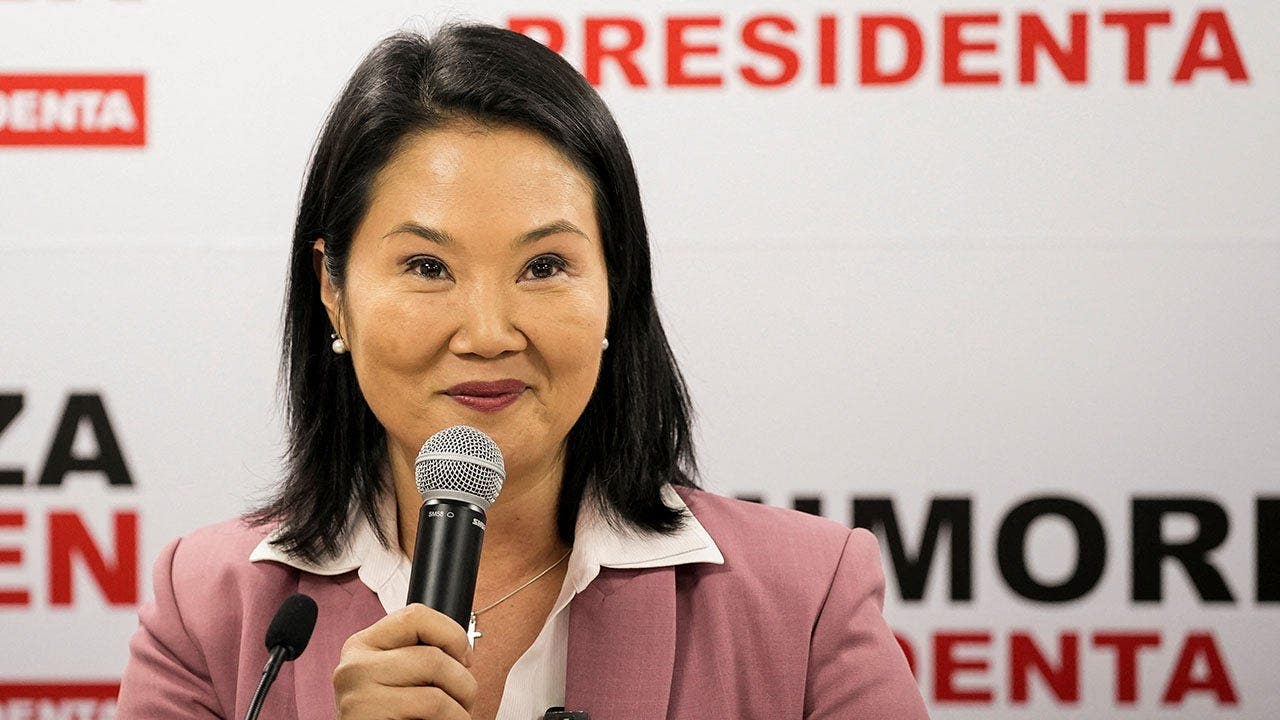
Peru's National Elections Jury certified Keiko Fujimori as the winner of the June 7, 2026 presidential runoff. Official results gave Fujimori 9,223,000 votes (50.14%) and opponent Roberto Sánchez about 9,173,000 votes (49.87%), a margin of roughly 0.27 percentage points. Fujimori, 51, will become Peru's ninth president in ten years and this was her fourth presidential bid. She campaigned on a promise to confront rising violent crime and extortion with a tough approach described as an "iron fist." The article notes her family background: her father, former president Alberto Fujimori, led the 1990s campaign against the Shining Path but was later convicted of human rights abuses and corruption, leaving a divisive legacy. The U.S. State Department issued congratulations and the article quoted a statement about deepening security and economic cooperation.
Biblical Reflection
From a Christian pastoral perspective, this election result raises both prudential and moral questions. Prudently, a certified outcome by the electoral authority grants democratic legitimacy, but the very narrow margin and the candidate's family history heighten the risk of polarization and mistrust. Morally, promises of an "iron fist" address legitimate public fears about crime, yet such language and policies must be measured against commitments to justice, due process, and the protection of human dignity. The article's framing — emphasizing law-and-order rhetoric, the father's authoritarian record, and international congratulations — signals competing priorities: public security, economic ties, and the memory of past abuses. Christians should neither reflexively celebrate nor automatically condemn the result; instead we should call for leaders to exercise authority with humility, for institutions to safeguard rights, and for the church to care for victims of violence while advocating that security measures do not become a pretext for eroding justice. Be alert to underlying biases in coverage that foreground partisan alignments (for example, highlighting U.S. administration support) and simplify complex legacies into slogans; seek fuller reporting on policy specifics, institutional checks, and human-rights safeguards.
Scripture in context
This outlook does not yet include contextual Scripture citations. Do not treat a general biblical theme as an exegetical conclusion.
Faithful Response
No prescribed response is offered. Consider the reflection prompts below in your own church context.
Reflection and Discussion
- 1How should Christians weigh promises of strong security measures against the need to protect civil liberties and due process?
- 2In what ways does the memory of past abuses shape how a nation should evaluate a leader connected to that legacy?
- 3What signs should we watch for that a government's pursuit of order is respecting institutions and protecting vulnerable people?
Sources
Reporting links are evidence inputs; Sanctuary News' biblical reflection is commentary.
This outlook currently relies on fewer than two linked sources. Broaden verification before teaching from it.
- 1.Original reportprimary