News Summary
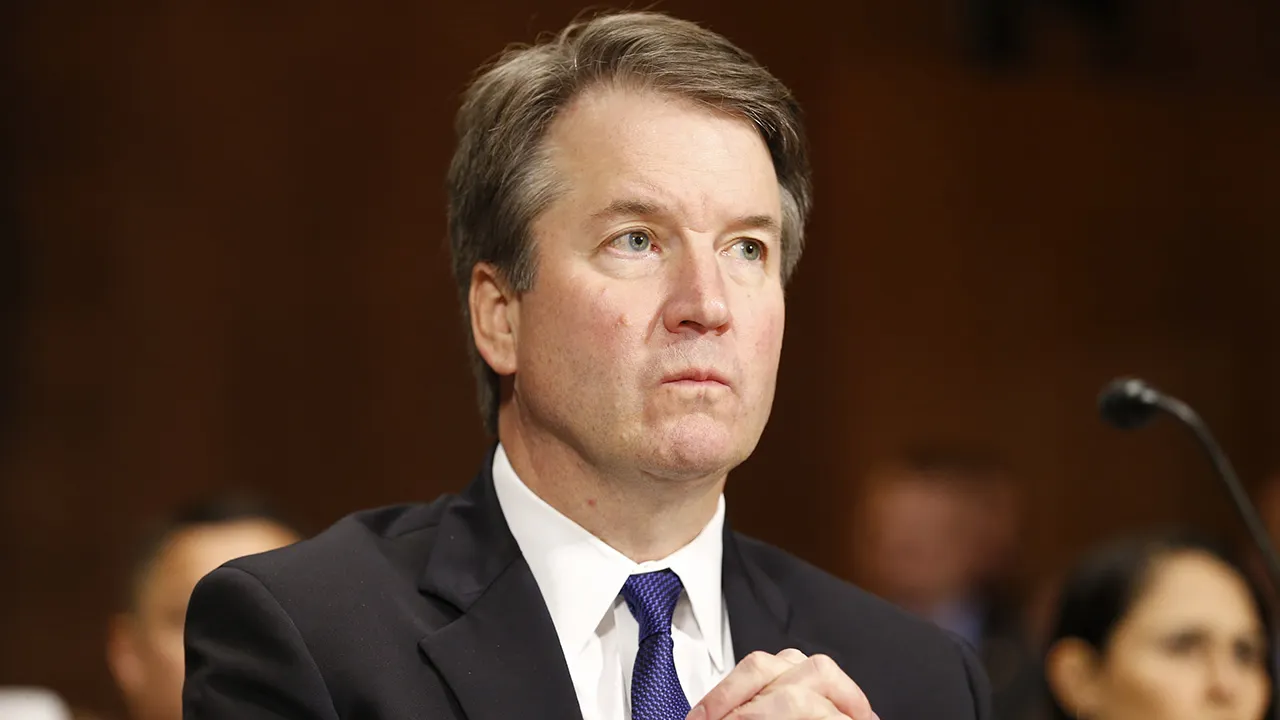
The U.S. Supreme Court rejected President Trump’s attempt to end birthright citizenship by executive order, with a 6-3 decision blocking Executive Order 14160. Justice Brett Kavanaugh concurred with the outcome but argued the case should have been decided under federal statute rather than the Constitution and wrote that Congress could amend 8 U.S.C. §1401(a) or enact new legislation to create exceptions to birthright citizenship for children born to people unlawfully or temporarily in the U.S. Republicans responded by calling for congressional legislation and some for a constitutional amendment; several named bills and proposals were cited as possible vehicles. The Justice Department said it will instead pursue enforcement actions against alleged visa fraud and birth tourism. Legal scholars note that a 5-4 constitutional holding protecting the Citizenship Clause means ordinary legislation limiting birthright citizenship would likely face immediate constitutional challenges, and only a constitutional amendment would definitively change the Clause.
Biblical Reflection
From a Christian perspective, the article highlights the tension between lawful governance and the treatment of vulnerable people. The factual reporting shows the legal process functioning — the Court checked an executive action and a justice suggested a legislative route — and political actors quickly mobilized. Beware of framing that reduces human beings to policy problems or security statistics; rhetoric around ‘abuse’ or ‘exploitation’ of birthright citizenship can mask real families and children whose lives would be transformed by legal changes. Truth demands careful attention to constitutional text, precedent, and the likely human consequences of legislation; mercy calls Christians to consider the dignity and needs of migrants and their children; humility invites caution about sweeping claims of simple fixes; courage and neighbor-love call for policy grounded in both justice and compassion rather than partisan advantage. The article reflects a political worldview prioritizing sovereignty, border control, and legislative remedies; readers should test those priorities against the biblical call to protect the stranger while respecting lawful process.
Scripture in context
This outlook does not yet include contextual Scripture citations. Do not treat a general biblical theme as an exegetical conclusion.
Faithful Response
No prescribed response is offered. Consider the reflection prompts below in your own church context.
Reflection and Discussion
- 1Whose humanity is made invisible or secondary when political debate frames birthright citizenship primarily as a security or budget problem?
- 2Are proposals being evaluated by constitutional rigor and likely human impact, or by immediate partisan advantage and rhetoric?
- 3How should Christians weigh the demands of national sovereignty and rule of law against the call to protect strangers and vulnerable children?
Sources
Reporting links are evidence inputs; Sanctuary News' biblical reflection is commentary.
This outlook currently relies on fewer than two linked sources. Broaden verification before teaching from it.
- 1.Original reportprimary