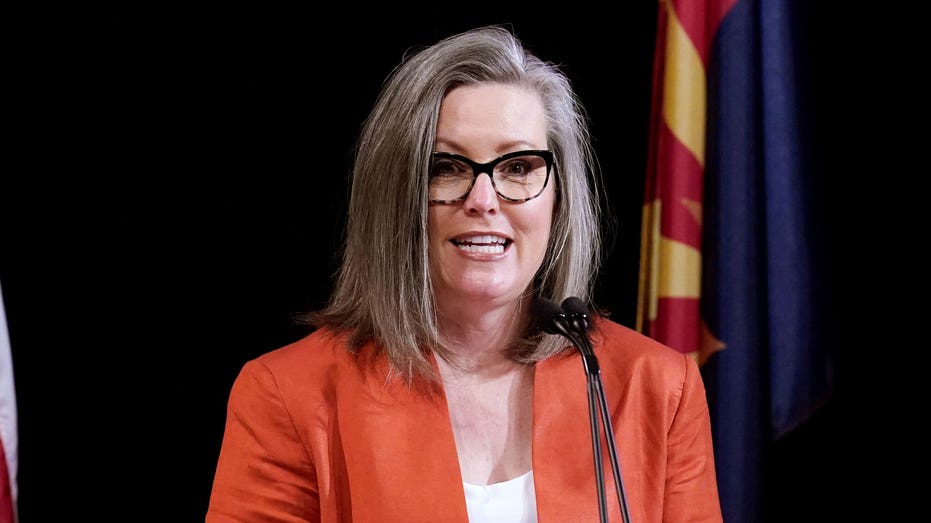
News Summary
Reported facts: The article states Governor Katie Hobbs' reelection campaign spent $7.4 million in Q2 and raised $2.64 million in Q2. Attributed claims: A GOP critic characterized the spending as 'drunken sailor' behavior and said it symbolizes a bigger problem, prompting questions about the source of campaign support. Uncertainties: The article does not provide the detailed breakdown of the $7.4 million in expenditures, the campaign's cash on hand before or after Q2, donor composition, or the Hobbs campaign's response or explanation.
Source and Framing Analysis
The story is framed through a critical GOP quote and a terse headline emphasizing wasteful spending; that framing highlights political critique but leaves out substantive financial detail. Material uncertainties that affect interpretation include the spending categories (advertising, salaries, transfers to other committees), whether the level of spending is typical for an incumbent in a contested state at this point in a cycle, and independent campaign finance records that would clarify donor sources and cash-on-hand.
Biblical Reflection
As Christians we hold two complementary responsibilities: to insist on truth and transparency, and to practice mercy and humility in public discourse. The reported numbers—if accurate—warrant questions about stewardship because public office and political campaigns involve public trust and affect communal life. Stewardship is not merely a private virtue; when resources influence public policy and civic outcomes, accountability matters.
At the same time, the rhetoric used in the piece (e.g., 'drunken sailor') is designed to provoke and score partisan points rather than illuminate facts. A Christian response resists joining in partisan derision. We should ask for clear evidence, seek corroborating records (campaign filings), and listen to the candidate’s explanation before forming final judgments. Truth-seeking requires both scrutiny and restraint.
Finally, justice and neighbor-love call us to consider how campaign financing shapes who gets heard and whose needs get prioritized. Rather than only denouncing opponents’ tactics, Christians can model better practices—insisting on transparency, supporting reforms that limit undue influence, and holding all leaders to the same standard of fiscal responsibility.
Scripture in context
- 1Luke 12:42-48 — Jesus teaches about faithful stewardship and the accountability of servants entrusted with responsibility, warning that those given much will be required to give account. In its literary context Jesus addresses disciples about readiness and faithful management of resources and responsibilities while awaiting the master's return. — Applied here, the passage reminds Christians that leaders and managers (including political campaigns) bear responsibility for resources entrusted to them; the community rightly asks for accountable use of those resources and clear reporting.
Faithful Response
Seek the facts: consult official campaign finance filings (state filings and any federal/independent disclosures) before drawing conclusions.
Pray and advocate for transparency: support reasonable disclosure laws and ethical standards that make campaign finances understandable to voters.
Model stewardship locally: demonstrate responsible financial practices in your congregation and community so public claims about others' stewardship are grounded in consistent moral witness.
Speak with humility: when discussing political controversies, prioritize verified information and avoid amplifying inflammatory language.
Reflection and Discussion
- 1What standards of stewardship and transparency should we demand of public leaders, and how do we apply those standards consistently?
- 2How can Christians hold leaders accountable without adopting the same partisan rhetoric or dehumanizing tone used by political opponents?
- 3In what ways does campaign money shape which voices are heard in our community, and how should that reality inform our civic priorities?
Sources
Reporting links are evidence inputs; Sanctuary News' biblical reflection is commentary.
This outlook currently relies on fewer than two linked sources. Broaden verification before teaching from it.
- 1.Battleground Dem governor torched for ‘drunken sailor’ spending GOP critic says is symbolic of bigger problemprimary_reporting