News Summary
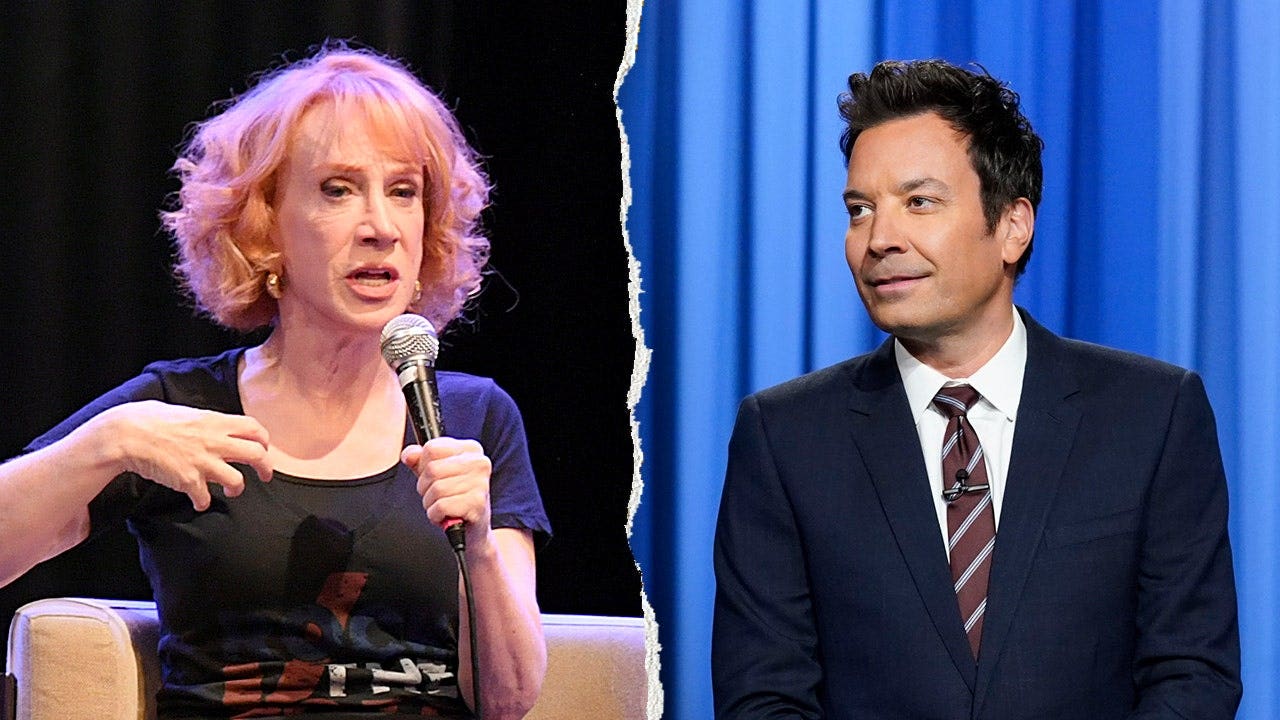
Comedian Kathy Griffin posted an Instagram video saying she has not appeared on Jimmy Fallon's Tonight Show since it aired at 12:30 a.m. and suggesting she was effectively "banned" for being "inappropriate" or "too controversial." Griffin criticized Fallon for booking Conor McGregor and for previously having Donald Trump on the show, saying such bookings send damaging messages to marginalized people. The article recalls Griffin's 2017 controversy involving a photograph of her with an image resembling then-President Trump, which drew bipartisan condemnation and a Secret Service inquiry. Fox News Digital reports a source saying there is no ban on Griffin from the show. Griffin also posted on YouTube confirming an older photo of her with Trump is genuine and discussed her past friendly interactions with him.
Biblical Reflection
This story sits at the intersection of media, celebrity, and public accountability. On one hand, Griffin's claim highlights how performers can feel excluded by mainstream platforms and the real emotions that follow perceived ostracism. On the other hand, the claim of a "ban" is disputed by a source, so Christians should resist quick outrage or unverified amplification. The coverage reflects a cultural pattern: controversies get recycled (2017 image, platform choices) and are used to make broader points about who gets invited, who is canceled, and whose behavior is excused. A Christian response values truth-telling—verifying facts before spreading accusations—while also calling for justice and empathy toward those harmed by public figures. We should critique power and platforming (asking whether guests glorify harmful behavior) without indulging in schadenfreude or assuming bad faith. Mercy asks us to hold both accountability and the possibility of repentance; humility asks us to refrain from turning every dispute into a moral spectacle.
Scripture in context
This outlook does not yet include contextual Scripture citations. Do not treat a general biblical theme as an exegetical conclusion.
Faithful Response
No prescribed response is offered. Consider the reflection prompts below in your own church context.
Reflection and Discussion
- 1Are we quick to share or believe claims that paint someone as "canceled" before confirming basic facts?
- 2When public figures complain about being excluded, how do we distinguish legitimate grievance from attention-seeking or strategic narrative?
- 3How should Christians weigh the need to call out harmful conduct against the call to offer restoration and avoid public shaming?
Sources
Reporting links are evidence inputs; Sanctuary News' biblical reflection is commentary.
This outlook currently relies on fewer than two linked sources. Broaden verification before teaching from it.
- 1.Original reportprimary