News Summary
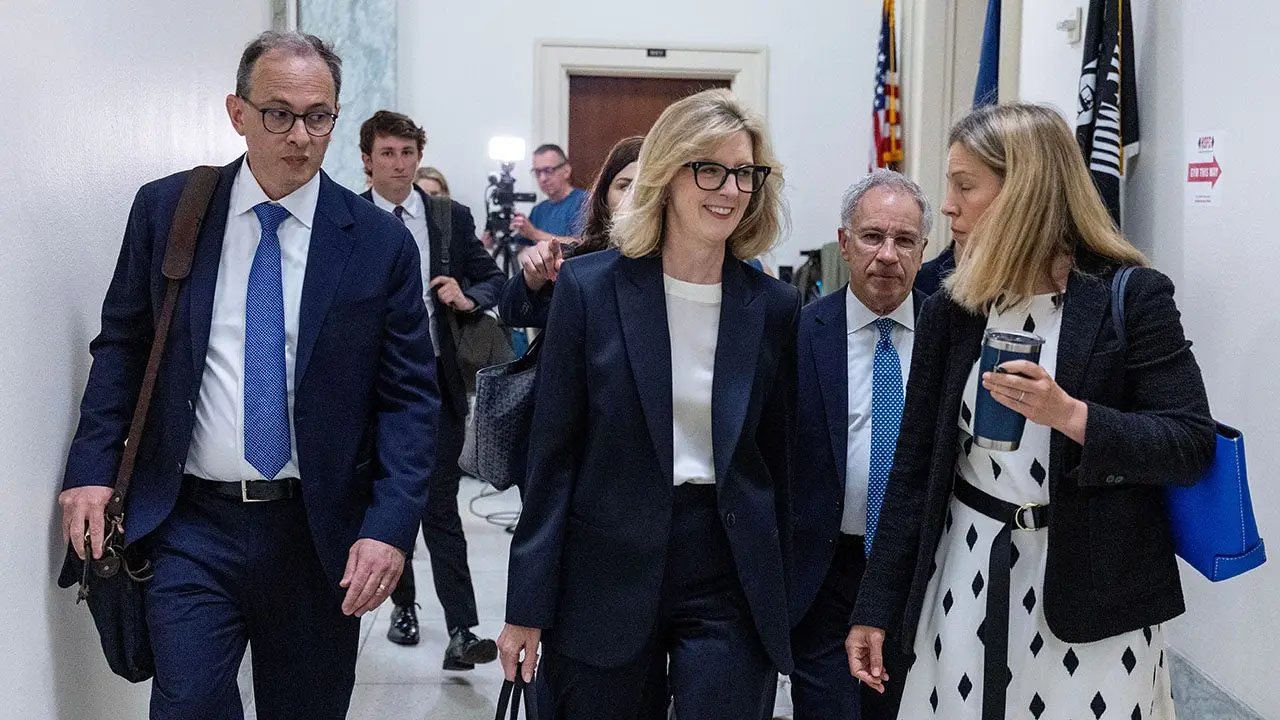
Former Obama White House counsel Kathryn Ruemmler voluntarily gave a closed-door interview to the House Oversight Committee as part of its multi-year probe into Jeffrey Epstein and Ghislaine Maxwell. The Justice Department released emails showing Ruemmler met with Epstein multiple times and exchanged emails and gifts between 2014 and 2019, after Epstein's 2008 conviction for soliciting a minor. Lawmakers from both parties expressed skepticism about Ruemmler’s claim that the relationship was limited; some members said the emails show a friendly, ongoing connection and criticized her judgment. Democrats on the panel argued she should have been interviewed under oath. Ruemmler has denied wrongdoing and said she was unaware of criminal conduct by Epstein; she recently resigned as Goldman Sachs’ top lawyer amid scrutiny. The committee’s investigation continues into its second year.
Biblical Reflection
This story raises three overlapping concerns: the ethics of powerful people forming ties with known offenders, the need for truthful disclosure in public and corporate life, and the responsibility of institutions to seek justice for victims. The article reports bipartisan questioning, suggesting genuine concern beyond partisan advantage, but its tone and selected quotations risk emphasizing scandal over sober assessment of facts. Christians should insist both on thorough, fair fact-finding and on compassion for those harmed — demanding accountability without rushing to condemnation beyond evidence. The situation also exposes a recurring moral temptation: the willingness to tolerate or rationalize morally compromised relationships for access, influence, or gain. The Christian response calls for honest repentance where compromise occurred, protection and care for victims, transparent processes that pursue truth, and humility from leaders who wield power and influence.
Scripture in context
This outlook does not yet include contextual Scripture citations. Do not treat a general biblical theme as an exegetical conclusion.
Faithful Response
No prescribed response is offered. Consider the reflection prompts below in your own church context.
Reflection and Discussion
- 1Does proximity to wealth or influence ever become a reason to overlook clear moral concerns, and how should Christians name that temptation?
- 2Are we demanding both rigorous, impartial investigation and compassionate attention to victims, or leaning toward partisan spectacle?
- 3How should institutions balance due process for the accused with urgent care and support for those who suffered harm?
Sources
Reporting links are evidence inputs; Sanctuary News' biblical reflection is commentary.
This outlook currently relies on fewer than two linked sources. Broaden verification before teaching from it.
- 1.Original reportprimary