News Summary
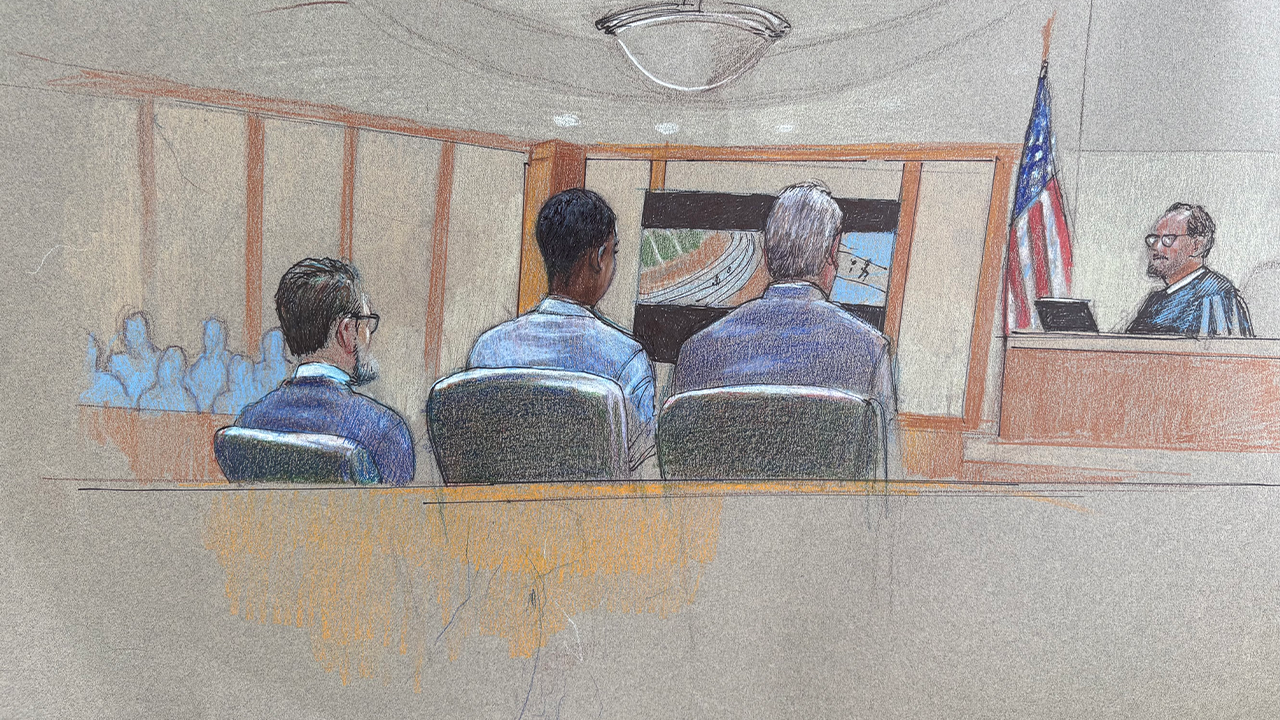
Opening testimony in the murder trial of Karmelo Anthony took place in Collin County, Texas. Jurors heard a 911 call and viewed surveillance footage from the April 2025 track meet where Austin Metcalf was stabbed and later died. Coaches, trainers, and bystanders testified that they attempted CPR and other life-saving measures; an athletic trainer and a coach described seeing a commotion and pointing to Anthony as the apparent assailant. Anthony, who has pleaded not guilty, maintains he acted in self-defense; prosecutors say the killing was unjustified and not racially motivated. The first day of testimony included emotional witness accounts, presentation of a blood-stained jacket used to try to stop bleeding, and descriptions of comments attributed to Anthony. The trial has drawn public attention and protests; observers noted that the selected jury contains no Black jurors. Attorneys emphasized competing narratives—the prosecution arguing murder, the defense urging jurors to focus on evidence and a claim of a split-second reaction. Additional witnesses were expected as the trial continued.
Biblical Reflection
This story presents a collision of tragedy, legal process, and public sentiment. Objectively, the courtroom is where evidence and witness credibility should determine guilt or innocence; outside the courthouse, emotional responses and media coverage risk shaping public opinion before a verdict. Christians should seek truth and justice: truth in careful evaluation of evidence, justice in fair and impartial proceedings, and compassion for the victim’s family, the defendant, and the community. Be wary of narratives formed by emotion, crowd pressure, or selective reporting—these can obscure facts and deepen division. The mention of a jury without Black members raises legitimate concerns about perceived fairness and community trust; transparency and procedural integrity matter for both the rule of law and neighborly reconciliation. Pastoral care requires resisting rushes to judgment, praying for wise discernment by jurors and witnesses, and advocating for processes that protect dignity, accountability, and mercy.
Scripture in context
This outlook does not yet include contextual Scripture citations. Do not treat a general biblical theme as an exegetical conclusion.
Faithful Response
No prescribed response is offered. Consider the reflection prompts below in your own church context.
Reflection and Discussion
- 1How might the emotional scenes, crowd reactions, and media coverage be influencing what people assume about guilt before the trial concludes?
- 2What safeguards are in place to ensure jurors decide based on evidence rather than pressure or racial perceptions, and how does that affect trust in the verdict?
- 3Are we holding both the victim’s and the accused’s humanity in view—calling for accountability without dehumanizing either family or individual?
Sources
Reporting links are evidence inputs; Sanctuary News' biblical reflection is commentary.
This outlook currently relies on fewer than two linked sources. Broaden verification before teaching from it.
- 1.Original reportprimary