News Summary
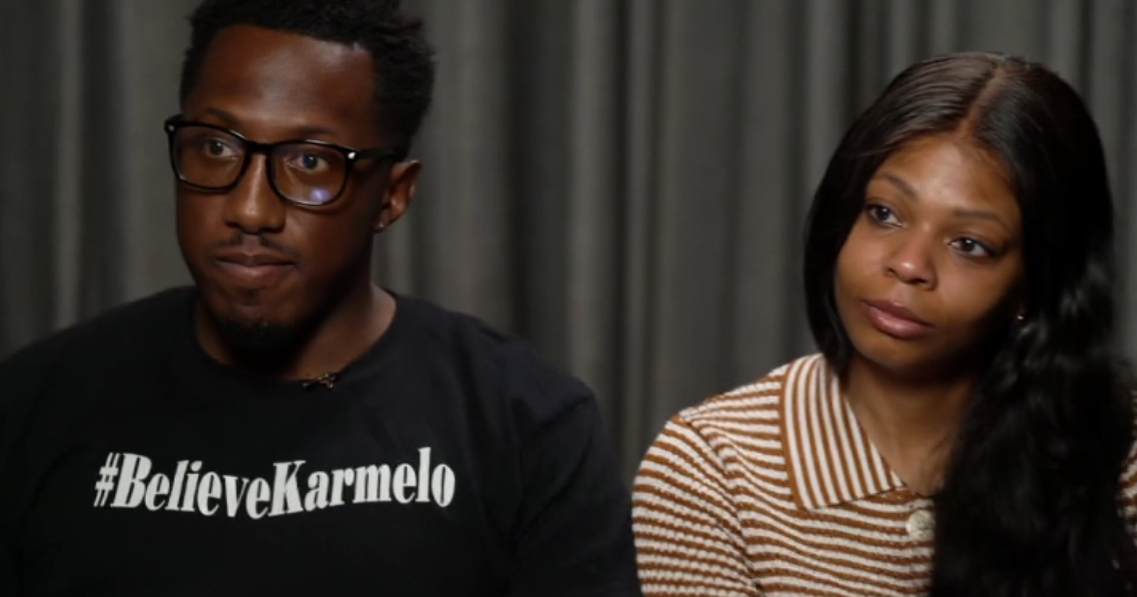
On April 2, 2025, student-athlete Austin Metcalf was fatally stabbed at a track meet in Frisco, Texas. A jury convicted 17-year-old Karmelo Anthony of murder after deliberating for less than three hours; he was sentenced to 35 years and is held at a Texas Department of Criminal Justice facility northwest of Houston. Anthony and his family say he acted in self-defense after being taunted and shoved; prosecutors argued the attack was intentional. Anthony's legal team filed a notice of appeal, saying the appeal will challenge aspects of how the trial was handled, including jury selection and allegations that Black jurors were improperly removed. Both families spoke publicly: Anthony’s parents said nobody wins and maintained his innocence or defensive claim; Metcalf’s father described the verdict as bittersweet and said he has forgiven Anthony for his own well‑being. Collins County District Attorney Greg Willis said justice was served and that jurors cooperated and testified truthfully. The case prompted nationwide emotion, protests on both sides, and death threats received by members of both families.
Biblical Reflection
This story centers two human tragedies: the loss of a young life and the long consequences for the accused and both families. Biblically, we must hold competing goods together — the pursuit of truth and justice, and compassionate care for hurting people. The article reports both legal outcomes and contested claims about jury fairness; those allegations are serious and belong in the appellate process where evidence about procedure and bias can be tested. Coverage leans toward immediate quotes from families and officials, which is appropriate, but readers should note how public outrage, social media, and the 'court of public opinion' can harden narratives before legal review concludes. Christians should resist dehumanizing rhetoric or threats, seek careful attention to due process (including fair jury selection), and offer practical compassion to both the victim’s and the accused’s families while advocating for systemic reforms that prevent violence and ensure equitable treatment under law.
Scripture in context
This outlook does not yet include contextual Scripture citations. Do not treat a general biblical theme as an exegetical conclusion.
Faithful Response
No prescribed response is offered. Consider the reflection prompts below in your own church context.
Reflection and Discussion
- 1How does public emotion and social media coverage shape our perception of guilt, fairness, and the legal process before appeals are decided?
- 2Are we treating victims, accused persons, and their families as image‑bearers of God even while demanding accountability?
- 3What concrete safeguards should we support to ensure jury selection and courtroom procedures protect both fairness and community confidence?
Sources
Reporting links are evidence inputs; Sanctuary News' biblical reflection is commentary.
This outlook currently relies on fewer than two linked sources. Broaden verification before teaching from it.
- 1.Original reportprimary