News Summary
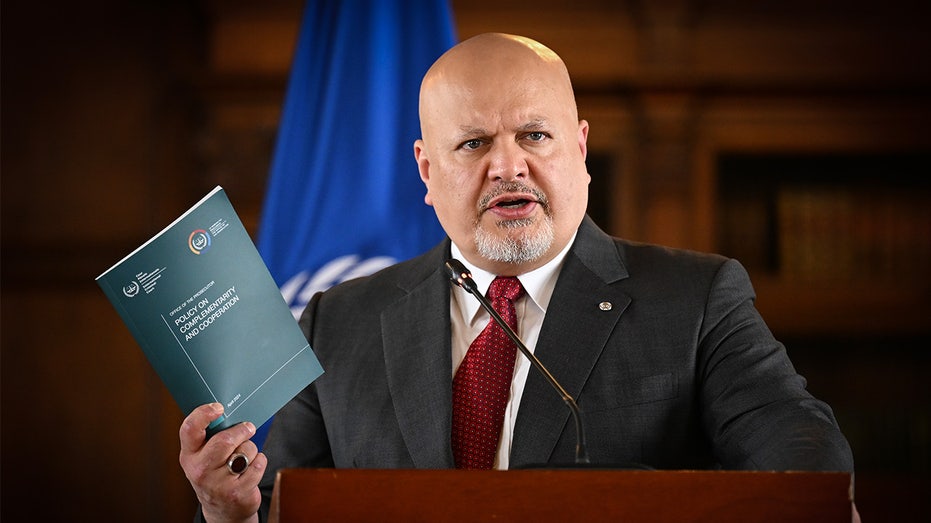
Reported facts: ICC member states voted to remove Karim Khan as chief prosecutor over sexual misconduct allegations; his lawyer says he will appeal. Attributed claim: the article states this is the first dismissal of an ICC chief prosecutor in the court's history. Uncertainty: the article lacks details about the allegations, the vote count or procedure, investigative findings, or the timeline for appeal.
Source and Framing Analysis
The supplied report is short and factual but limited in detail. Material uncertainties affecting understanding include lack of specifics about the allegations, absence of vote tallies or procedural explanation for removal, no quotation of ICC investigative reports or member-state statements, and no independent corroboration. Those gaps shape the reader's ability to assess the gravity, credibility, and procedural fairness of the dismissal.
Biblical Reflection
This event exposes the heavy moral and institutional costs when leaders in institutions tasked with justice are accused of serious personal misconduct. The church must hold both truth and mercy in tension: truth demands accountability and transparent processes, while mercy resists hasty character assassination and attends to due process for the accused and care for any victims. Christians should be neither gleeful at fallen leadership nor quick to defend misconduct; rather, we should seek clarity, compassion, and reforms that protect the vulnerable and preserve the integrity of justice institutions.
The article as provided is brief and reports the core facts without detailed evidence about the allegations, vote count, or procedural context. That limited reporting leaves readers with important unanswered questions about how the court investigated, what standards were applied, and how this removal will affect ongoing ICC work. Christians committed to justice should press for thorough and fair inquiry, support victims, and advocate for institutional safeguards that reduce opportunities for abuse of power.
At the same time, this case is a reminder that moral failure among leaders damages public trust in institutions meant to safeguard others. The gospel calls believers to pursue righteousness and to work for restoration where possible, but also to insist on accountability that protects the vulnerable and prevents future harm. Pray for truth, for fair process, and for reforms that strengthen the ICC's legitimacy so it can serve its mission faithfully.
Scripture in context
- 1Matthew 23 (context: Jesus' challenge to religious leaders) — In Matthew 23 Jesus addresses the religious leaders of his day, criticizing hypocrisy, the abuse of authority, and the burden their behavior places on others. The passage sits within his public teaching about justice, mercy, and the integrity expected of those who lead God's people. — This story invites Christians to apply the same critique to modern leaders: insistence on integrity, condemnation of hypocrisy, and careful protection of the vulnerable even as we avoid self-righteousness. Leadership in any institution carries moral weight and invites accountability.
Faithful Response
Pray for truth, justice, and healing for anyone harmed; avoid spreading unverified allegations.
Support transparent, independent investigations and reforms that strengthen accountability in institutions.
Care pastorally for both victims and accused individuals—advocate protection for survivors while respecting due process.
Encourage civic engagement that promotes ethical leadership and institutional safeguards.
Reflection and Discussion
- 1What kinds of institutional safeguards (reporting, investigation, oversight) should Christians advocate for in bodies that administer justice internationally?
- 2How do we hold to due process for accused leaders while also believing and supporting survivors and those harmed?
- 3In what ways should the church respond when public institutions charged with justice lose credibility because of leaders' moral failures?
Sources
Reporting links are evidence inputs; Sanctuary News' biblical reflection is commentary.
This outlook currently relies on fewer than two linked sources. Broaden verification before teaching from it.
- 1.ICC prosecutor whose Netanyahu warrant fueled Mamdani arrest threat is fired over sexual misconductprimary_reporting