News Summary
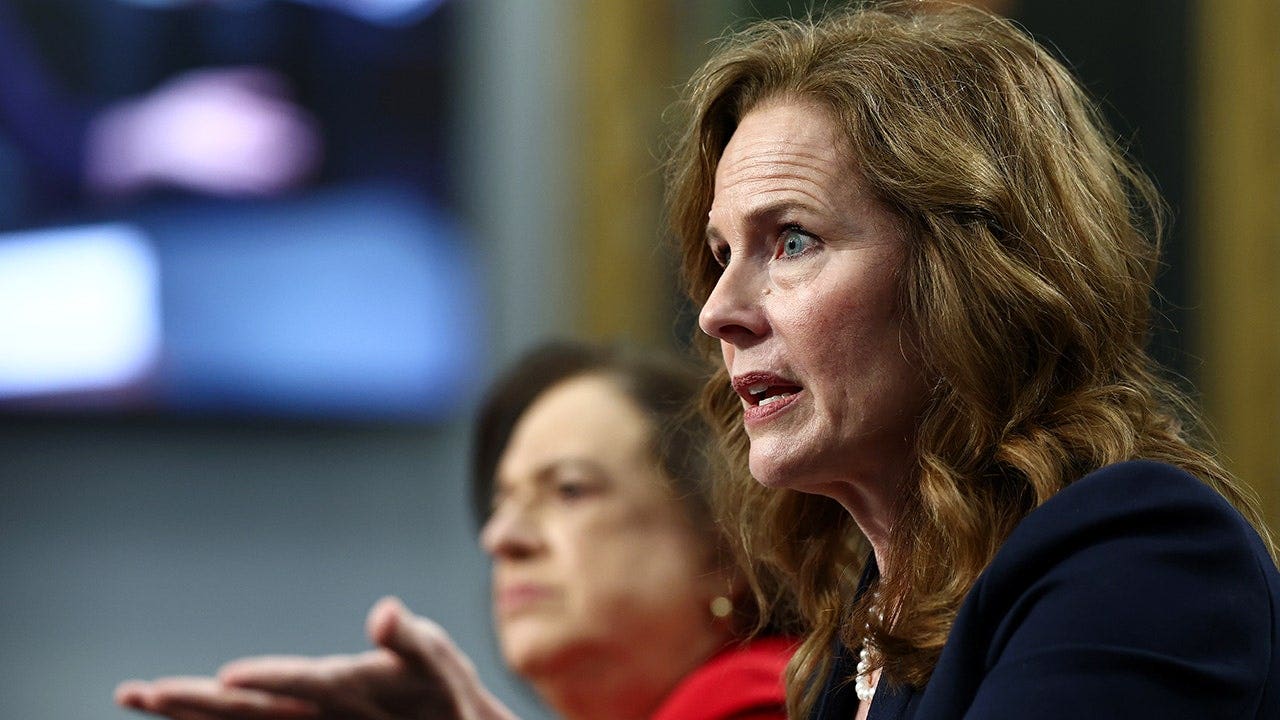
Supreme Court Justices Amy Coney Barrett and Elena Kagan testified to Congress about elevated security risks for the Court and requested additional funding — including a $14.6 million increase within a $228 million budget request — for enhanced protection. Barrett said threats led her to bring a bulletproof vest home and explain it to her 12-year-old son; Kagan said threats against the Court rose 38% this year. The article recounts specific incidents referenced by the justices, including a "swatting" at Barrett's home and a referenced attempt on Justice Brett Kavanaugh following the 2022 leak of the Dobbs opinion. The piece is an opinion column arguing that Democratic leaders’ rhetoric (quoting figures such as Chuck Schumer and Kamala Harris) and policy proposals (including court expansion, abolishing the filibuster, statehood for D.C./Puerto Rico, and federal voting legislation) form a sustained political campaign that threatens the Court’s independence. The author contrasts conservative and progressive approaches to constitutional interpretation and contends that some progressive reforms are aimed at producing short-term partisan gains at the expense of institutional checks and judicial independence.
Biblical Reflection
From a Christian perspective, this report highlights two clear moral concerns: the very real danger and injustice of threats and violence against judges, and the spiritual hazard of reducing institutions to partisan instruments. The factual core — that justices reported heightened threats and asked for more security — demands compassion, prayer, and practical measures to protect public servants. At the same time, the article is an opinion piece that frames causes and motives in broad, partisan terms; it attributes coordinated malicious intent to a whole political movement, which risks overstating and simplifying complex debates about constitutional change. Christians should reject violence and intimidation unequivocally, but also resist demonizing opponents or treating institutional reform proposals as merely existential threats without weighing their stated grievances. Truth requires careful distinction between condemnable threats (which must be addressed immediately) and legitimate democratic debates about court structure and law (which call for sober engagement, not fearmongering). Theologically, we are called to defend the vulnerable, seek justice, and pursue peace — which includes opposing threats, advocating for the fair functioning of institutions, and engaging political disagreement with humility and charity.
Scripture in context
This outlook does not yet include contextual Scripture citations. Do not treat a general biblical theme as an exegetical conclusion.
Faithful Response
No prescribed response is offered. Consider the reflection prompts below in your own church context.
Reflection and Discussion
- 1Am I distinguishing between real, condemnable threats to individuals and political rhetoric that, while heated, is part of democratic debate?
- 2Does this piece fairly separate factual testimony about security from partisan interpretation, or does it frame institutional reform as purely malicious?
- 3How should Christians weigh preserving institutional checks and the rule of law against legitimate calls for institutional change?
Sources
Reporting links are evidence inputs; Sanctuary News' biblical reflection is commentary.
This outlook currently relies on fewer than two linked sources. Broaden verification before teaching from it.
- 1.Original reportprimary