News Summary
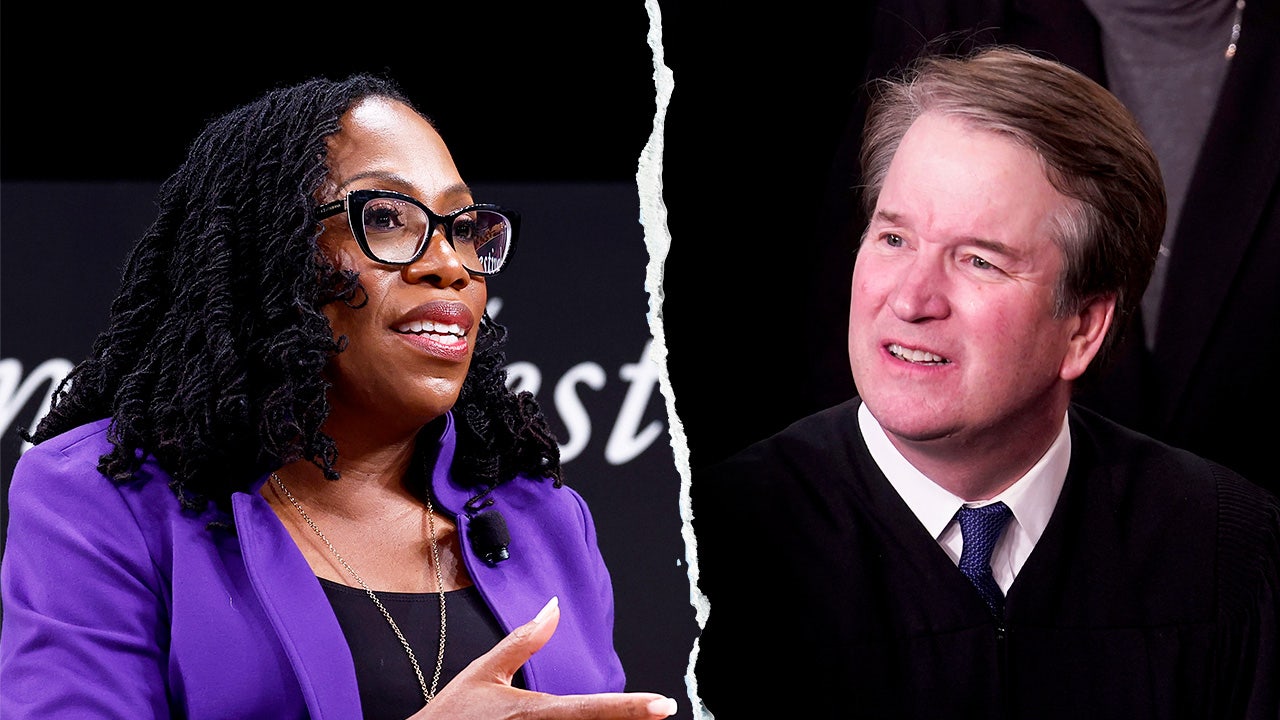
At a public lecture honoring a late federal judge, Justices Ketanji Brown Jackson and Brett Kavanaugh exchanged candid remarks about the Supreme Court’s growing use of the emergency or “shadow” docket. Justice Jackson criticized the Court’s increasing willingness to grant emergency relief that effectively allows new policies to take effect before lower-court challenges are resolved, saying this trend is problematic for the Court and the country. Justice Kavanaugh responded that presidents often push the envelope with executive actions and that the Court’s approach to emergency requests has treated recent administrations similarly, noting the broader context of congressional inaction. The article notes that the Trump administration has brought roughly 30 emergency applications to the Court and has won about 80% of them, using the docket to advance actions such as mass firings, immigration enforcement measures, and other high-profile policies. Jackson has dissented in several emergency decisions, warning against what she calls “lawmaking” from the bench; Kavanaugh acknowledged the discomfort around these emergency interventions. The story situates the exchange in the larger debate over judicial process, separation of powers, and the pace at which the Court intervenes in major policy disputes.
Biblical Reflection
From a biblical perspective this story raises familiar, weighty concerns about justice, authority, and the moral character of institutions. Scripture repeatedly calls for fair, transparent adjudication (Deuteronomy 16:18; Proverbs 31:9) and warns against partiality, secrecy, and shortcuts that undermine justice (Isaiah 1:17; Amos 5:24). The shadow-docket practice, insofar as it short-circuits deliberative processes and appears to produce results perceived as favoring one political actor, challenges the biblical ideals of impartiality and accountability. Christians should neither reflexively cheer nor automatically condemn a particular party’s wins; rather the scriptural standard is whether decisions advance justice, protect the vulnerable, and honor truth. The public disagreement between Justices Jackson and Kavanaugh also models a needed humility and openness to critique within institutions: faithful leaders should welcome correction, seek wise counsel, and submit to processes that preserve the common good. Practically, the story invites believers to pray for judges and civic leaders, to advocate for transparency and rule-of-law safeguards, and to resist reducing complex judicial questions to partisan litmus tests. In the meantime, Christians are called to love mercy (Micah 6:8), pursue justice, and hold leaders—judicial and political—to standards of integrity, recognizing that true justice requires patient, impartial process as much as righteous outcomes.
Scripture in context
This outlook does not yet include contextual Scripture citations. Do not treat a general biblical theme as an exegetical conclusion.
Faithful Response
No prescribed response is offered. Consider the reflection prompts below in your own church context.
Reflection and Discussion
- 1How do I respond when a legal decision I agree with seems to have been reached through rushed or opaque processes — do I prioritize outcome or right procedure?
- 2In what practical ways can I pray for or support institutions so they pursue impartial justice rather than partisan advantage?
- 3Am I treating judges and courts as instruments of truth and justice, or have I allowed partisan loyalty to cloud my judgment about what is right?
Sources
Reporting links are evidence inputs; Sanctuary News' biblical reflection is commentary.
This outlook currently relies on fewer than two linked sources. Broaden verification before teaching from it.
- 1.Original reportprimary