News Summary
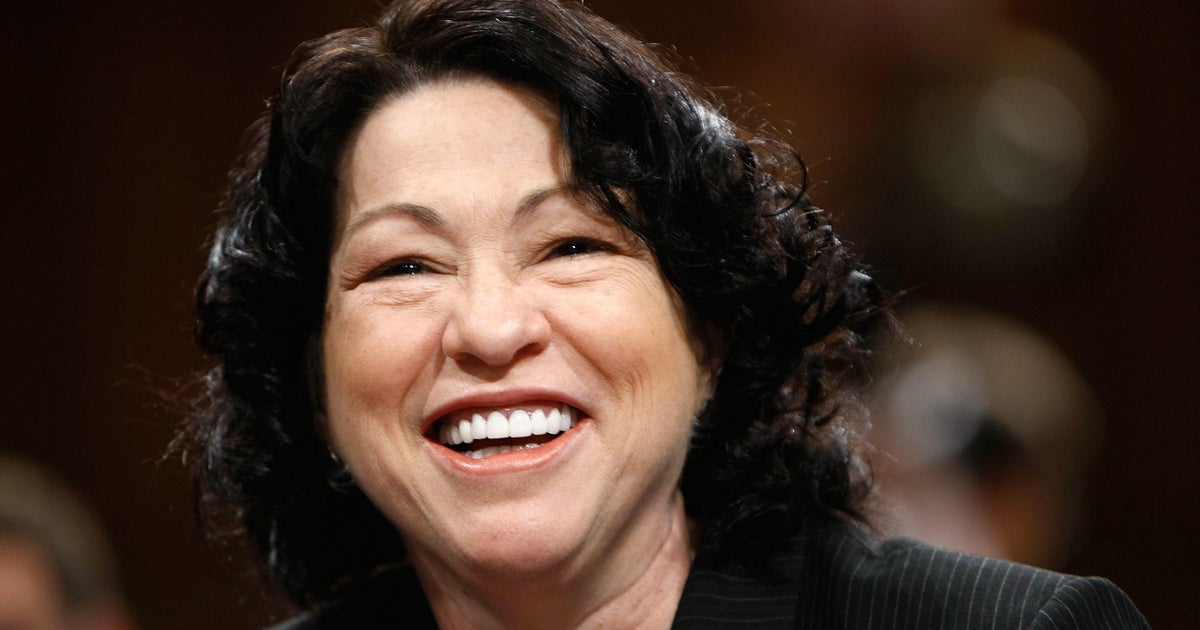
Supreme Court Justice Sonia Sotomayor issued a statement apologizing for comments she made publicly about a colleague after criticizing a Supreme Court order related to Immigration and Customs Enforcement (ICE) enforcement in Los Angeles. Sotomayor said her recent remarks were inappropriate and "hurtful" and that she has apologized to the colleague; she did not name the colleague in the statement. At a March speaking event at the University of Kansas School of Law, she criticized a concurrence (authored by Justice Brett Kavanaugh) in a September 2025 order that allowed ICE to resume broad enforcement sweeps in Los Angeles while a lower court ruling restricting those practices was stayed. The lower court had found ICE had unlawfully detained people and barred reliance solely on factors such as race, occupation, or use of Spanish when assessing reasonable suspicion. In his concurrence, Kavanaugh wrote that ethnicity cannot be the sole reason for stops but might be a relevant factor and described the challenged immigration stops as typically brief encounters. Sotomayor, in her dissent joined by two liberal colleagues, warned that the government's position risked treating Latinos who work low-wage jobs as subject to seizure. During the Kansas event she referenced a colleague's characterization of the stops as "temporary" and then made a personal remark about that colleague's upbringing; those personal remarks prompted her apology. The article notes that public personal criticism among justices is uncommon and that justices often emphasize civil or familial relationships despite deep legal disagreements.
Biblical Reflection
From a Christian perspective, this story highlights two parallel concerns: the substance of justice for vulnerable people and the manner in which believers (and public servants) communicate disagreement. Scripture calls Christians to protect the dignity of the marginalized and to seek justice (Micah 6:8; Proverbs 31:8–9). Questions about ICE practices and the protection of people from arbitrary stops are rightly examined through the lens of justice and the rule of law. At the same time, Scripture urges humility, careful speech, and reconciliation among brothers and sisters (Ephesians 4:15; James 1:19). Public officials and Christians alike should distinguish between critiquing legal reasoning and attacking a person’s background or character. Sotomayor’s apology models accountability for a regretted personal lapse; that is valuable, but it does not substitute for sustained engagement on the policy and human-rights concerns she raised. Readers should be aware of two potential biases in coverage: (1) a focus on personal conflict can overshadow substantive policy issues affecting real people, and (2) framing that reduces complex legal reasoning to simple moral categories can obscure the genuine legal questions at stake. Christians ought to press for both truthful legal analysis that protects the vulnerable and discourse marked by humility, love, and a refusal to dehumanize opponents.
Scripture in context
This outlook does not yet include contextual Scripture citations. Do not treat a general biblical theme as an exegetical conclusion.
Faithful Response
No prescribed response is offered. Consider the reflection prompts below in your own church context.
Reflection and Discussion
- 1Am I inclined to treat legal or policy disagreements as evidence of a person’s moral failings, rather than engaging the argument on its merits?
- 2Does media emphasis on personal conflict distract from the human consequences of legal rulings (for example, how enforcement practices affect Latino communities and low-wage workers)?
- 3How can Christians advocate for vulnerable people while maintaining speech and relationships marked by humility and love?
Sources
Reporting links are evidence inputs; Sanctuary News' biblical reflection is commentary.
This outlook currently relies on fewer than two linked sources. Broaden verification before teaching from it.
- 1.Original reportprimary