News Summary
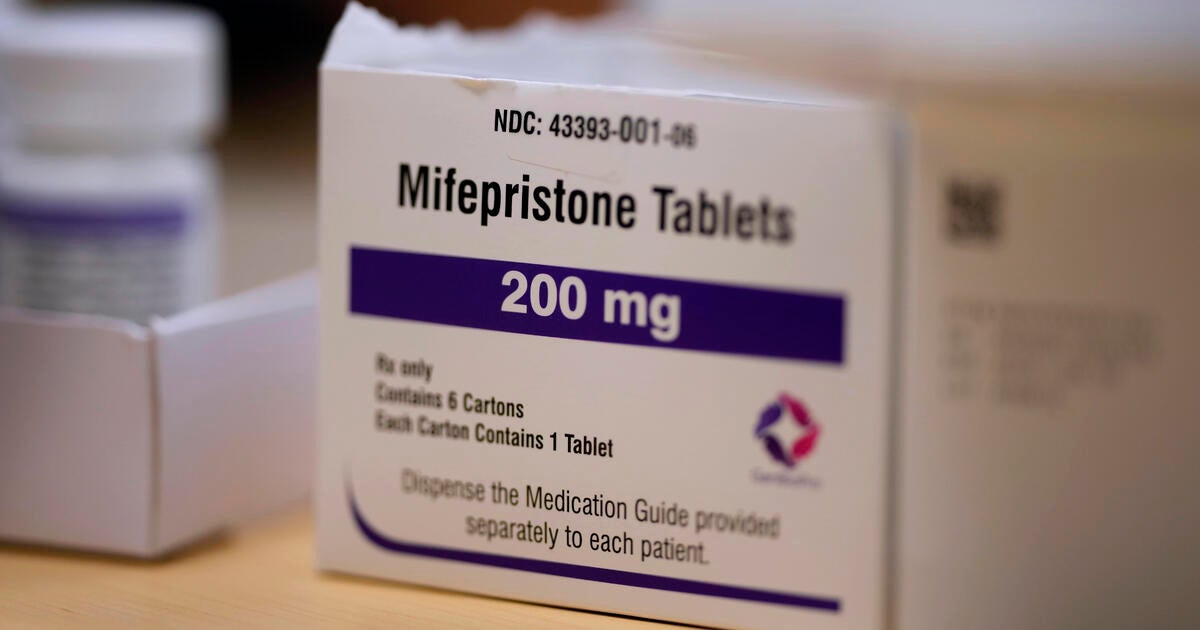
On May 4, 2026, U.S. Supreme Court Justice Samuel Alito issued an administrative stay temporarily halting a U.S. Court of Appeals for the 5th Circuit order that had blocked a 2023 Food and Drug Administration rule permitting mifepristone to be prescribed via telehealth and dispensed through the mail. Alito’s stay was set to remain in place until 5 p.m. on May 11 to allow the Supreme Court additional time to consider emergency requests from drugmakers Danco Laboratories and GenBioPro asking the high court to set aside the 5th Circuit’s order and to take up the merits. The 5th Circuit’s temporary block followed an appeal by Louisiana after a federal district court paused state litigation in April while the FDA reviewed mifepristone’s safety. The 5th Circuit found Louisiana had standing, citing state Medicaid costs for emergency care for women who experienced complications after receiving the drug from out-of-state providers, and concluded the 2023 regulation injures the state by undermining its abortion restrictions. Background: beginning in 2016 and formally in 2023, the FDA eased restrictions on mifepristone — extending the gestational period for its use, expanding who may prescribe it, and suspending an in-person dispensing requirement that had been enforced prior to the COVID-19 pandemic. After Roe v. Wade was overturned in 2022, anti-abortion groups and some states have pursued legal challenges to the FDA’s regulatory changes. Louisiana has a near-total abortion ban and in 2024 passed a law classifying mifepristone and misoprostol as controlled substances. Danco and GenBioPro told the Supreme Court the 5th Circuit’s order creates immediate confusion for patients, providers, and pharmacies and could disrupt access to time-sensitive care, particularly for patients in rural areas or those facing barriers to in-person visits.
Biblical Reflection
This story sits at the intersection of law, medicine, and moral conviction. Objectively, the article reports judicial and administrative steps without placing moral weight on either side; the legal fight centers on standing, federal regulatory authority, and state efforts to restrict abortion access. From a Christian perspective, several commitments shape a faithful response: reverence for the unborn, care for pregnant women and vulnerable patients, respect for lawful institutions, and pursuit of truth. The legal maneuvers reflect competing priorities — states asserting protection for unborn life and fiscal impacts, and federal regulators and drugmakers emphasizing access and established safety findings. Christians should note two potential distortions: (1) reducing the matter to partisan advantage rather than addressing the human realities on both sides (the unborn child and women facing difficult pregnancies), and (2) treating complex medical and legal questions as purely ideological instead of seeking verifiable facts and compassionate solutions. Scripture calls us to seek justice and mercy together; that means advocating for policies and practices that protect vulnerable human life while ensuring compassionate medical care, honest communication about risks and benefits, and due process within legal institutions. Prayful discernment asks us to hold both convictions — protection for the unborn and compassionate care for women — without conceding either to political expedience. Practically, Christians can press for clarity, accountability, and humane support systems (pregnancy care, maternal health, economic assistance) as the courts and regulators resolve procedural and substantive issues.
Scripture in context
This outlook does not yet include contextual Scripture citations. Do not treat a general biblical theme as an exegetical conclusion.
Faithful Response
No prescribed response is offered. Consider the reflection prompts below in your own church context.
Reflection and Discussion
- 1What assumptions about personhood, safety, and state responsibility are shaping legal arguments on both sides, and how should a Christian weigh those assumptions?
- 2Where might legal or regulatory processes obscure real human consequences (for pregnant people, children, and families), and how can Christians insist on both truth and compassion in public debate?
- 3Are we allowing partisan framing to determine our moral reasoning, or are we seeking consistent principles—justice, mercy, and care for the vulnerable—when evaluating policies and court decisions?
Sources
Reporting links are evidence inputs; Sanctuary News' biblical reflection is commentary.
This outlook currently relies on fewer than two linked sources. Broaden verification before teaching from it.
- 1.Original reportprimary