News Summary
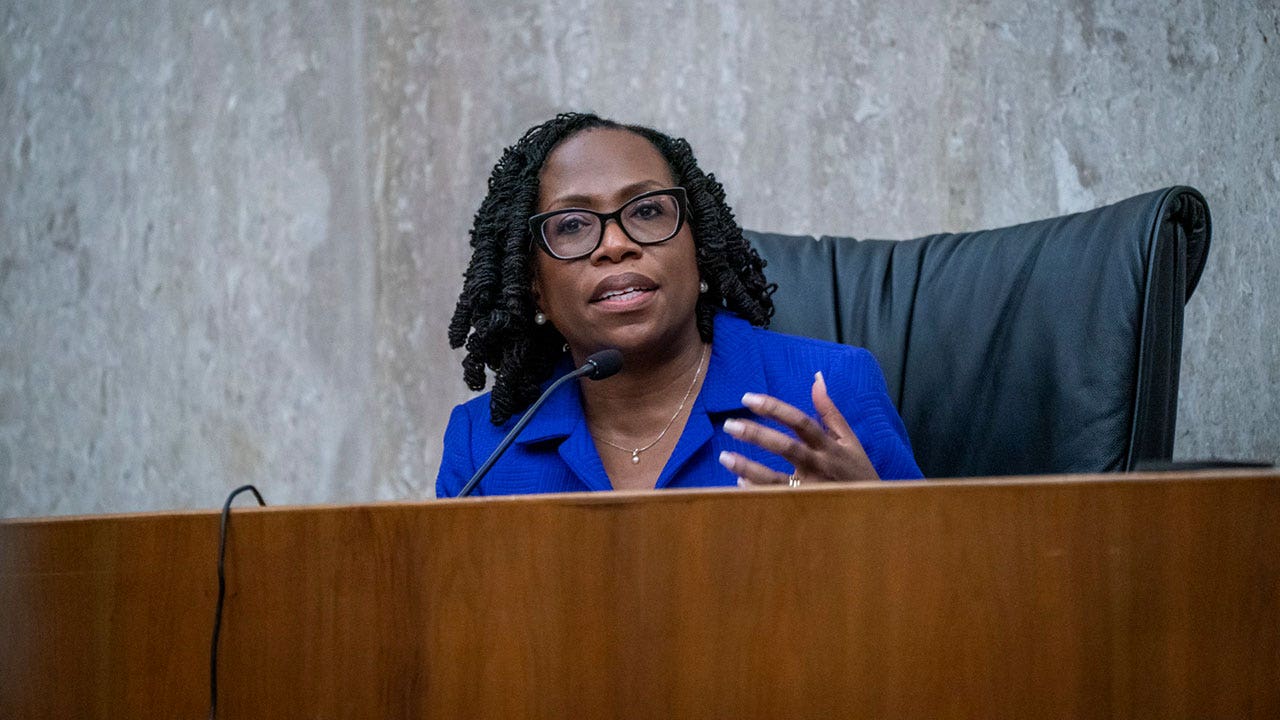
This is an opinion column by Jonathan Turley reacting to the Supreme Court's decision in Chiles v. Salazar. In that case, eight justices held that Colorado could not bar licensed counselors from engaging in “any practice or treatment” that attempts or purports to change a minor’s sexual orientation or gender identity, applying First Amendment protections. Justice Ketanji Brown Jackson issued a lone dissent, arguing that the ban should be treated as regulation of conduct rather than speech and expressing concern that allowing such counseling poses risks to minors’ health and wellbeing. Turley criticizes Jackson’s dissent as hostile to free-speech values, argues the decision strengthens free speech, and connects the dispute to broader debates about censorship, pandemic-era suppression of dissent, and past Colorado legal controversies (including efforts to disqualify a presidential candidate from ballots and disputes involving business objections to same-sex marriage). The column also references malpractice litigation and professional association positions as alternative means to address alleged harms from therapeutic practices.
Biblical Reflection
From a Christian perspective, this article raises two legitimate concerns that must be held in tension: the importance of protecting vulnerable children and the importance of robust free speech and conscience protections for professionals and parents. Scripture calls Christians to pursue truth, speak boldly, and to act compassionately and protectively toward the weak (Proverbs 31:8–9; James 1:27). Free speech is a public good that helps truth be tested and discovered, but freedom does not absolve professionals from responsibility to do no harm. The column is an opinion piece with clear rhetorical aims: it frames Justice Jackson’s dissent as a threat to liberty and draws parallels to other instances of perceived censorship. Readers should note the opinion’s selective comparisons (e.g., pandemic discourse, lab-leak debate) and its political framing—the piece emphasizes liberty and marketplace-of-ideas arguments while downplaying the ethical and medical concerns raised about certain therapies for minors. A biblically grounded response would resist panic on either side: defend the space for honest, conscientious dialogue and dissent, while supporting prudent safeguards, professional accountability, and the care of children. Christians should also watch for rhetorical moves that convert complex medical, legal, and ethical issues into simple liberty-versus-censorship narratives; mature discernment requires listening to medical experts, legal reasoning, parents, and those with lived experience, and then forming judgments informed by truth and charity.
Scripture in context
This outlook does not yet include contextual Scripture citations. Do not treat a general biblical theme as an exegetical conclusion.
Faithful Response
No prescribed response is offered. Consider the reflection prompts below in your own church context.
Reflection and Discussion
- 1Is the article presenting this legal decision primarily as a neutral legal analysis or as a political narrative designed to evoke fear—what evidence supports either reading?
- 2How should Christians weigh the biblical call to protect vulnerable children against the biblical and civic value of speaking and listening freely in a marketplace of ideas?
- 3Where might the column be oversimplifying complex medical, ethical, or legal issues in order to advance a broader argument about censorship and orthodoxy?
Sources
Reporting links are evidence inputs; Sanctuary News' biblical reflection is commentary.
This outlook currently relies on fewer than two linked sources. Broaden verification before teaching from it.
- 1.Original reportprimary