News Summary
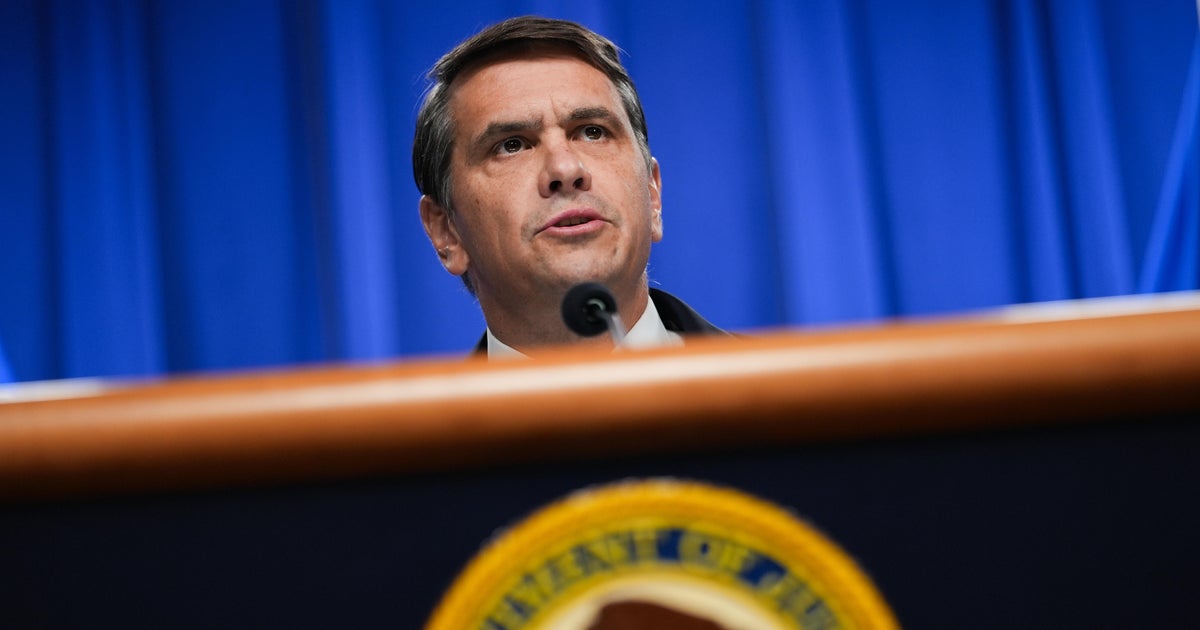
The Justice Department announced it will stop work on a $1.8 billion "Anti-Weaponization Fund" after U.S. District Judge Leonie Brinkema issued a temporary order preventing the department from creating, funding, considering claims for, or disbursing payments from the program while she evaluates whether to grant longer-term relief; a hearing is scheduled for June 12. The department said it disagrees with the court's decision but will abide by the ruling. The fund was announced as part of a settlement of a civil suit brought by Donald Trump against the IRS over the release of his tax returns; it was intended to provide payouts to individuals who claim the federal government was "weaponized" against them. The program drew political and legal pushback: some allies of Mr. Trump, including persons charged in the Jan. 6, 2021, attack, expressed interest in filing claims; Republican lawmakers voiced strong objections that complicated appropriations and other legislative business; Democrats pledged efforts to block the fund. Multiple lawsuits challenging the program were filed, and separate litigation has led a different federal judge to order Mr. Trump to answer questions about the settlement amid requests from 35 former federal judges to reopen the underlying case.
Biblical Reflection
This story highlights tensions between the rule of law, the appropriate use of public resources, and partisan politics. On one level, the court's temporary block is an exercise of judicial review intended to prevent irreversible actions before legal questions are resolved — a basic safeguard in a system of separated powers. At the same time, the fund's origin in a settlement tied to a politically prominent plaintiff and its potential beneficiaries who include people charged in the Capitol attack raised legitimate concerns about appearance, fairness, and whether public funds could be seen as partisan relief. Christians should weigh two obligations together: a love for justice that demands impartial procedures and accountability, and a call to mercy for those genuinely wronged by government abuse. We should also be wary of simple narratives that cast institutions wholly good or wholly corrupt; every institution needs humility, transparency, and checks on power. Practically, the article shows how legal processes, political pressure, and public perception interact — reminding believers to pray for discernment, to seek truth over tribal loyalty, and to advocate for systems that protect both the innocent and the common good.
Scripture in context
This outlook does not yet include contextual Scripture citations. Do not treat a general biblical theme as an exegetical conclusion.
Faithful Response
No prescribed response is offered. Consider the reflection prompts below in your own church context.
Reflection and Discussion
- 1What safeguards should be in place to ensure government settlements and relief programs cannot be used to reward political allies or erase accountability?
- 2How might partisan framing (from any side) obscure the underlying legal and ethical questions about the fund's creation and intended recipients?
- 3When a public program is tied to a high-profile political figure, what steps increase public trust — transparency, independent review, or clearer statutory authority?
Sources
Reporting links are evidence inputs; Sanctuary News' biblical reflection is commentary.
This outlook currently relies on fewer than two linked sources. Broaden verification before teaching from it.
- 1.Original reportprimary