News Summary
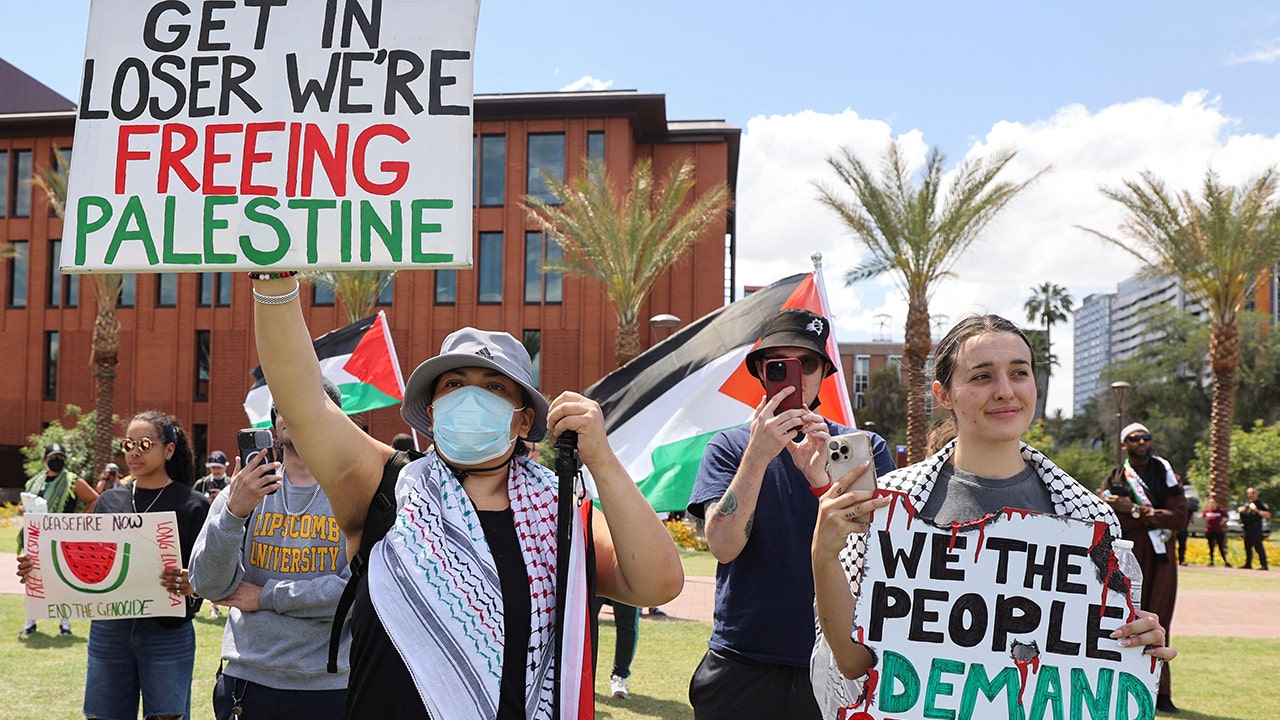
The U.S. Department of Justice Civil Rights Division announced it has opened a Title VI investigation into Arizona State University's diversity, equity, and inclusion (DEI) practices after identifying viral videos that the DOJ says indicate students may have been denied equal treatment based on race, color, or national origin. The DOJ statement alleges the university attempted to conceal practices from federal oversight; the investigation will examine whether DEI policies or practices result in unlawful discrimination in areas including admissions, recruitment, scholarships, tutoring, and educational support. Assistant Attorney General Harmeet K. Dhillon emphasized that federal law requires recipients of federal funds to provide equal access regardless of race, color, or national origin. ASU responded that it complies with federal law, does not discriminate in admissions, and is bound by a 2010 Arizona constitutional provision that prohibits preferential treatment based on race, sex, color, ethnicity, or national origin in public education. The DOJ has not reached conclusions about the matters under investigation, and ASU declined to comment on secret recordings referenced in the DOJ release.
Biblical Reflection
From a Christian perspective, this situation raises familiar and important concerns: the pursuit of justice for those who may be wronged, the duty of institutions to be transparent and accountable, and the call to protect the dignity of every student. The Justice Department’s role is to investigate credible allegations impartially; an investigation itself does not establish guilt, and Christians should resist rushing to condemn or vindicate parties before facts are established. The article’s framing—focused on viral videos and allegations of intentional concealment—invites suspicion but does not replace careful inquiry. Christians should notice two competing impulses at work: the biblical demand for equal treatment and protection of the vulnerable, and the caution against simplistic narratives that sacrifice nuance and mercy for outrage. Practically, faithful response includes praying for truth and reconciliation, supporting processes that uncover facts, and urging both institutions and advocates to act with humility, transparency, and love for neighbors on all sides. Be wary of confirmation bias: viral clips and partisan coverage can highlight wrongdoing or innocence selectively; the Spirit calls us to seek full truth, not merely what reinforces our preconceptions.
Scripture in context
This outlook does not yet include contextual Scripture citations. Do not treat a general biblical theme as an exegetical conclusion.
Faithful Response
No prescribed response is offered. Consider the reflection prompts below in your own church context.
Reflection and Discussion
- 1Are we letting viral footage and partisan framing shape our conclusions before a careful, impartial investigation has run its course?
- 2How do we balance a principled insistence on equal treatment with the pastoral need to protect and include those who feel marginalized?
- 3What structures of transparency and accountability should Christian communities advocate for in public institutions that receive federal funds?
Sources
Reporting links are evidence inputs; Sanctuary News' biblical reflection is commentary.
This outlook currently relies on fewer than two linked sources. Broaden verification before teaching from it.
- 1.Original reportprimary