News Summary
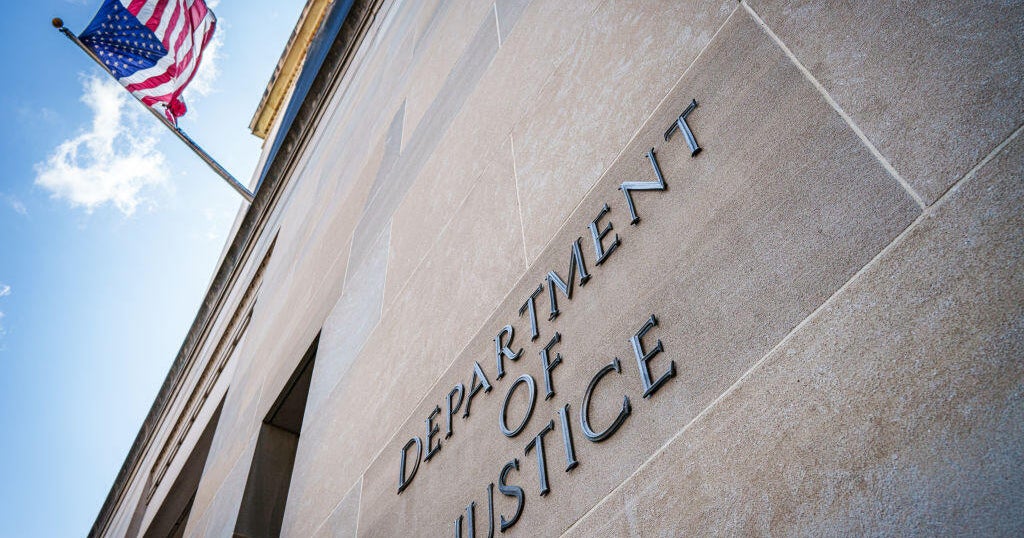
The article reports that the U.S. Justice Department has dismantled its Community Relations Service (CRS), a federal office known for mediating community tensions, especially during periods of unrest and distrust of law enforcement. Established during the civil rights era and informally called 'America's peacemaker,' the CRS helped mediate conflicts, de-escalate tensions, and facilitate dialogue between communities and law enforcement. The Trump administration decided to shutter the office, reducing its staff to zero to save costs, arguing that its mission no longer aligned with current law enforcement priorities. Some of the functions and staff have been shifted to federal prosecutors' offices, but critics argue this compromises the neutrality and effectiveness of the service. Civil rights groups and charities have filed a lawsuit to prevent the closure, and a new funding bill may restore some funding, with support from many congressional Democrats. The article highlights the CRS's past successes and expresses concern about the consequences of losing its peacemaking role, particularly in cities like Minneapolis following high-profile police violence incidents.
Biblical Reflection
From a biblical perspective, the abolition of a dedicated peacemaking office is deeply concerning. Scripture consistently elevates the role of peacemakers, stating, 'Blessed are the peacemakers, for they shall be called children of God' (Matthew 5:9). The CRS’s work—neutral facilitation, mediation, and fostering understanding—embodied this virtue and reflected Christ’s call to reconciliation and the pursuit of justice. The decision to prioritize cost savings and bureaucratic efficiency over active peacemaking and relationship-building signals a troubling departure from biblical priorities of justice, mercy, and humility (Micah 6:8). The shift to having prosecutors—who are inherently law enforcement agents—handle peacemaking undermines the perceived neutrality necessary for true reconciliation. Without impartial mediators, opportunities for healing, de-escalation, and genuine dialogue between communities and authorities are diminished. Biblically, when institutions remove the mechanisms for peace and reconciliation, society risks greater division, resentment, and unrest. Christians are called to lament the loss of peacemaking leadership and advocate for its restoration, while also considering how they, as individuals and communities, might step into the gap to pursue peace, justice, and reconciliation in Christ's name.
Scripture in context
This outlook does not yet include contextual Scripture citations. Do not treat a general biblical theme as an exegetical conclusion.
Faithful Response
No prescribed response is offered. Consider the reflection prompts below in your own church context.
Reflection and Discussion
- 1How can I be a peacemaker in my own community when official structures for reconciliation are removed?
- 2What does Scripture teach about the importance of impartiality and justice in resolving conflicts?
- 3In what ways might we as Christians advocate for or participate in efforts that promote healing and reconciliation where there is division?
Sources
Reporting links are evidence inputs; Sanctuary News' biblical reflection is commentary.
This outlook currently relies on fewer than two linked sources. Broaden verification before teaching from it.
- 1.Original reportprimary