News Summary
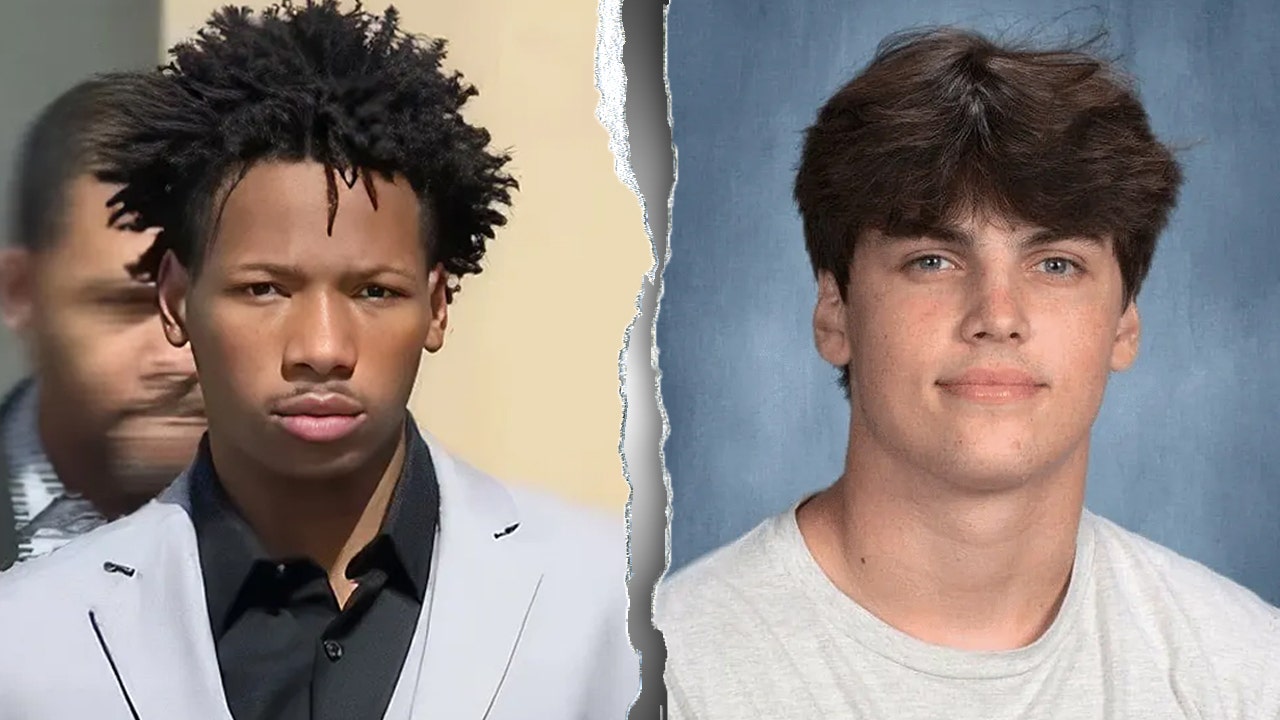
A Collin County jury reached a verdict in the murder trial of 17-year-old Karmelo Anthony, who was charged in the April 2, 2025 fatal stabbing of 17-year-old Memorial High School student Austin Metcalf at a track meet in Frisco, Texas. Anthony admitted to stabbing Metcalf but asserted he acted in self-defense. During the trial prosecutors presented 21 witnesses, including student eyewitnesses, investigators and the medical examiner, arguing Anthony escalated a verbal dispute into a deadly encounter by pulling a knife from his backpack and stabbing an unarmed teenager. Witness testimony described Anthony sitting under a Memorial team tent, being asked to leave multiple times, exchanges of words, and differing accounts about whether Metcalf shoved or grabbed Anthony before the stabbing. The medical examiner described Metcalf’s fatal chest wound. Defense attorneys emphasized inconsistencies among witnesses, the weight difference between the teenagers, and argued Anthony was defending himself. The judge denied a defense motion for a directed verdict. The trial drew emotional testimony, public demonstrations and statements of grief and forgiveness from Metcalf’s family; activist groups urged peaceful, lawful demonstrations outside the courthouse. The article reports that the jury’s verdict was expected to be read on a Tuesday afternoon but does not state the verdict details in the body text provided.
Biblical Reflection
This case puts several Christian concerns into tension: the sanctity of life and the imperative to seek justice for the vulnerable, alongside the call to show mercy and avoid premature condemnation. The reporting correctly records conflicting witness accounts and legal arguments, so readers should recognize the verdict rests on jurors weighing contested testimony rather than on unanimous factual certainty presented in the press. The article centers courtroom evidence and emotional testimony, which invites sympathy for the victim’s family and also requires restraint from the public in assigning motive or guilt outside the legal process. Christians should press for accountability where harm is done, advocate for fair trials and due process, and care pastorally for grieving families and for the accused—especially when teenagers and communities are destabilized. Public demonstrations and media attention can highlight injustice but also risk inflaming division; a Christian response values truth-seeking, mourns rightly, and pursues both justice and reconciliation.
Scripture in context
This outlook does not yet include contextual Scripture citations. Do not treat a general biblical theme as an exegetical conclusion.
Faithful Response
No prescribed response is offered. Consider the reflection prompts below in your own church context.
Reflection and Discussion
- 1How does the presence of conflicting eyewitness testimony shape our confidence in media narratives about violent incidents?
- 2In high-emotion cases involving youth, how can Christians balance the demand for accountability with the duty to avoid fueling public vilification?
- 3What responsibilities do communities and leaders have to prevent escalation at youth sporting events and to care for both victims and accused families after tragedy?
Sources
Reporting links are evidence inputs; Sanctuary News' biblical reflection is commentary.
This outlook currently relies on fewer than two linked sources. Broaden verification before teaching from it.
- 1.Original reportprimary