News Summary
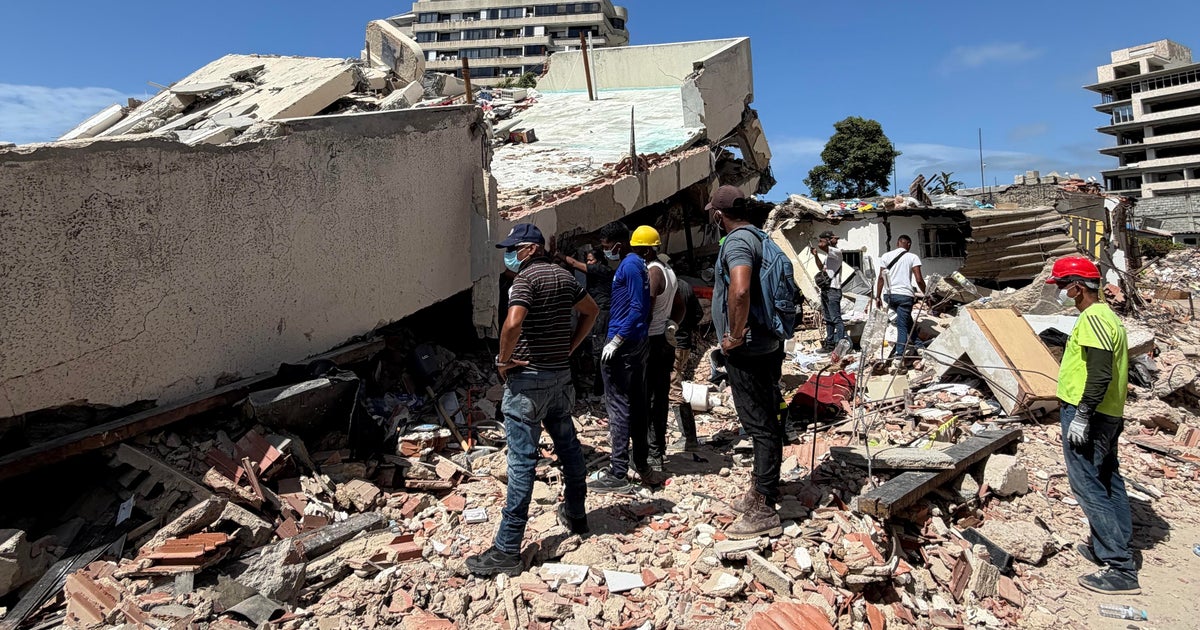
Late in June 2026, two powerful earthquakes struck Venezuela within a minute of each other. The coastal city of La Guaira experienced concentrated, catastrophic damage: many buildings pancaked, entire neighborhoods were leveled, and rescue workers and residents searched rubble for survivors. The article reports an official death toll near 4,000, notes that the United Nations at one point estimated more than 50,000 people missing, and describes tens of thousands displaced. Search-and-rescue teams from multiple countries, including U.S. teams and rescue dogs, worked alongside local residents; after the intense initial phase many operations shifted from rescue to recovery. The country’s main airport near Caracas was badly damaged, complicating travel and logistics; reporters traveled via Panama and Valencia to reach affected areas. The piece documents scenes of grief—families looking for missing relatives, mothers and children in tent camps, hospitals with overwhelmed lists—and also moments of compassion and resilience, including volunteer medical and veterinary clinics and children playing amid displacement. The article also includes a political reference that the U.S. had seized Venezuelan President Nicolás Maduro to face charges in the U.S. and that Venezuela’s vice president is cooperating with the Trump administration; this claim is presented in the article but is a significant political assertion that requires independent verification.
Biblical Reflection
The article powerfully records human suffering and international cooperation in the immediate aftermath of a major natural disaster; its vivid, sensory reporting invites compassion and motivates practical help. From a Christian perspective the clear call is to mercy, presence, and concrete aid for the bereaved and displaced. At the same time, readers should note potential editorial choices and factual claims that need verification—particularly the political assertion about U.S. seizure of the Venezuelan president—which introduces partisan context that may shift attention from humanitarian need to geopolitics. The narrative largely aligns with virtues of compassion and solidarity: it highlights local volunteers, multinational rescue teams, and practical care for people and animals. Christians should commend the service and partnership while remaining discerning about political framing and seeking trustworthy sources for contested claims. Long-term responses must pair immediate relief with advocacy for just reconstruction, accountability where governance failures worsen vulnerability, and humble solidarity rather than exploitative attention-seeking.
Scripture in context
This outlook does not yet include contextual Scripture citations. Do not treat a general biblical theme as an exegetical conclusion.
Faithful Response
No prescribed response is offered. Consider the reflection prompts below in your own church context.
Reflection and Discussion
- 1Does the story focus more on immediate human need and relief or on political narratives; how might that emphasis shape our response?
- 2Which facts in the report should be independently verified before we accept political or causation claims?
- 3Are there structural or governance factors behind the scale of the disaster that deserve attention alongside emergency aid?
Sources
Reporting links are evidence inputs; Sanctuary News' biblical reflection is commentary.
This outlook currently relies on fewer than two linked sources. Broaden verification before teaching from it.
- 1.Original reportprimary