News Summary
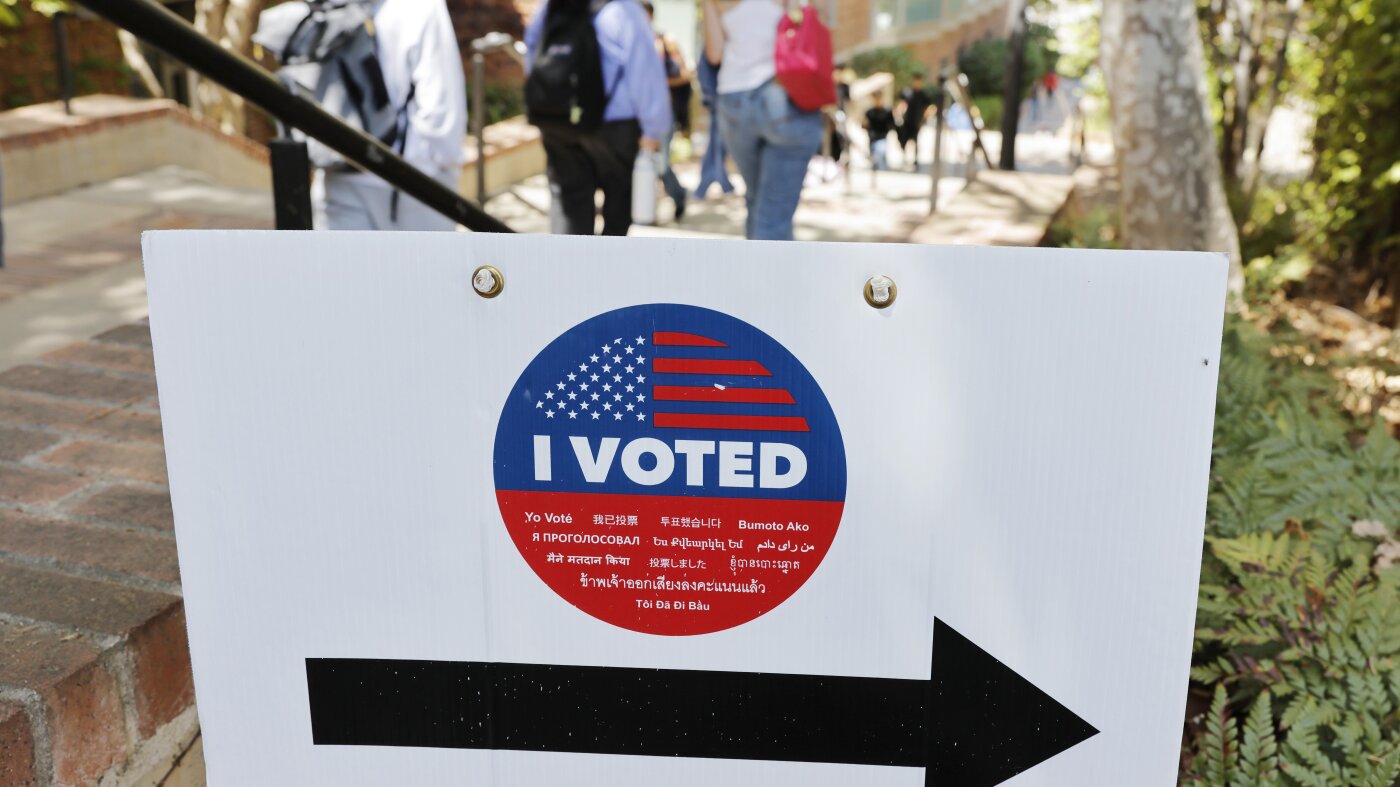
On June 2, 2026, six states (California, Iowa, Montana, New Jersey, South Dakota and New Mexico) held primary elections. The piece highlights competitive contests in California and Iowa. In California, Governor Gavin Newsom is term-limited and the state’s top-two primary sends the two highest vote-getters, regardless of party, to the November general election. With more than 60 candidates on the ballot, the leading contenders in polls are Democrat Xavier Becerra and Democrat-turned-bidirectional challenger Tom Steyer; Republican Steve Hilton polls several points behind following a Trump endorsement. Former Rep. Eric Swalwell withdrew after sexual-misconduct allegations. California’s recent Proposition 50 temporarily altered redistricting, creating five congressional districts that now lean Democratic and forcing some incumbents to run against one another or seek other paths; Rep. Kevin Kiley announced an independent run while saying he would caucus with Republicans. In Iowa, Republicans are choosing a nominee in an open governor’s race (Gov. Kim Reynolds is not running), with Rep. Randy Feenstra as the Trump-endorsed candidate; a 35% threshold to win outright may send the decision to a GOP convention. Democrat Rob Sand is unopposed for governor in the general. Iowa Democrats will select between Josh Turek and Zach Wahls in a U.S. Senate primary to challenge a likely Republican nominee. New Jersey’s 7th District Democratic primary seeks to challenge Rep. Thomas Kean Jr., who has been absent from Washington for medical reasons and has missed more than 100 House votes. In Montana, incumbents Sen. Steve Daines and Rep. Ryan Zinke announced they would not seek reelection, creating open contests; independent Seth Bodnar has been raising significant funds and is pursuing ballot access. The article notes additional competitive congressional races across these states and points readers to voter resources from NPR.
Biblical Reflection
The article is a straightforward political roundup that emphasizes horse-race dynamics, strategic implications for party control, and candidate lineups. Factually it reports names, endorsements, polling signals, and election rules (top-two primary in California; 35% threshold in Iowa), though its emphasis is on who might win and what that implies for partisan control rather than on policy details or the common good. From a Christian pastoral perspective, this framing reveals two temptations: reducing civic life to competition for power, and elevating personality, money, or endorsements above character and service. Christians should neither ignore the strategic realities reported here nor accept them uncritically. We can use this information to discern how elections shape the health of our communities, to demand honesty and accountability from leaders, and to weigh candidates by their willingness to protect the vulnerable, steward resources well, and act with humility. The article’s focus on endorsements, fundraising, and map-making (redistricting) reminds us that structural forces and private money shape outcomes; Christians called to love our neighbors should pay attention to those forces while resisting cynicism. Finally, the coverage implicitly models partisanship as the primary lens; the Christian task is to hold partisanship lightly when it conflicts with truth, mercy, and justice.
Scripture in context
This outlook does not yet include contextual Scripture citations. Do not treat a general biblical theme as an exegetical conclusion.
Faithful Response
No prescribed response is offered. Consider the reflection prompts below in your own church context.
Reflection and Discussion
- 1Does the coverage prioritize who is winning and which endorsements matter more than the character and policies that affect neighbors in need?
- 2Whose voices and concerns are missing from this roundup — for example, communities most affected by policy who rarely make the headlines?
- 3How do structural features (top-two primaries, redistricting, conventions) shape outcomes, and how should that influence a Christian’s understanding of civic responsibility?
Sources
Reporting links are evidence inputs; Sanctuary News' biblical reflection is commentary.
This outlook currently relies on fewer than two linked sources. Broaden verification before teaching from it.
- 1.Original reportprimary