News Summary
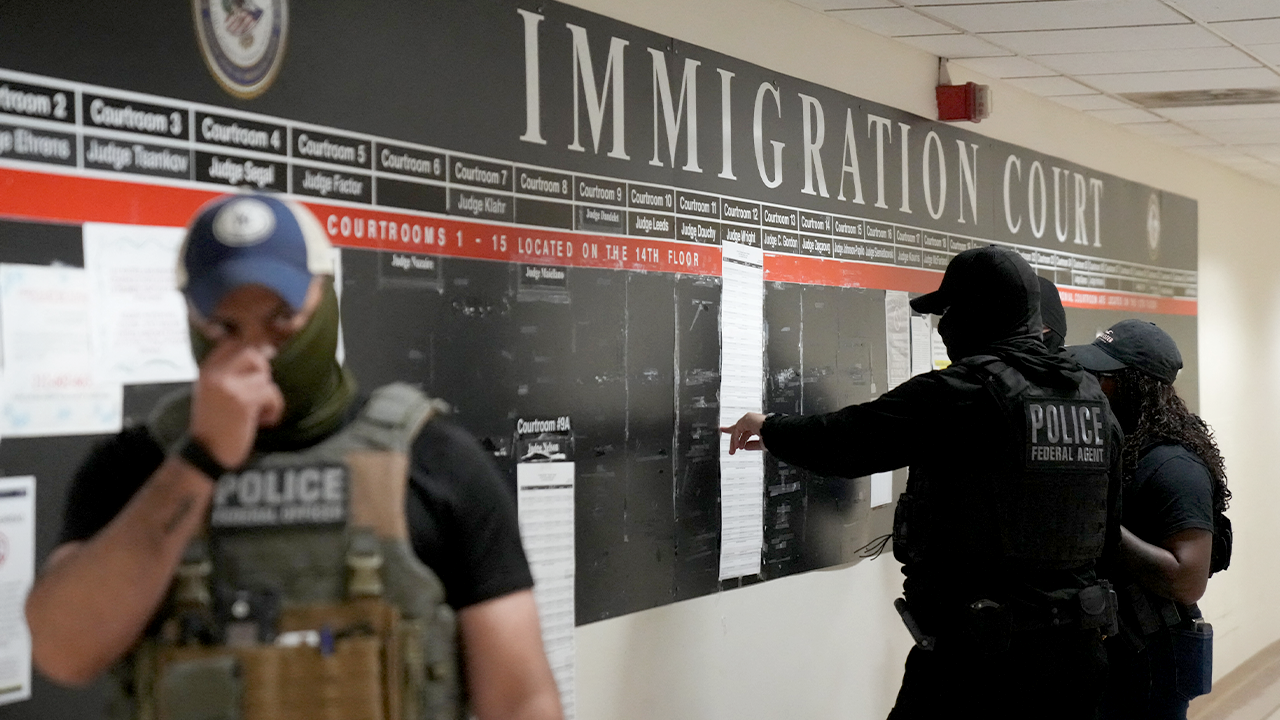
U.S. District Judge P. Casey Pitts vacated two 2025 Trump administration policies: one that removed prior limits on civil immigration arrests at courthouses (including immigration courts) and another that waived ICE's 12-hour limit on holding detainees in short-term facilities, allowing stays up to 72 hours. In a 71-page opinion, Pitts found the agencies (ICE and EOIR) failed to provide the reasoned explanation required by the Administrative Procedure Act, did not consider alternatives, and ignored evidence that courthouse arrests could discourage immigrants from attending hearings and risk unconstitutional detention conditions. The vacatur applies nationwide and removes the policies themselves rather than temporarily enjoining their enforcement; the judge emphasized agencies may pursue similar rules if they follow proper procedural steps. The decision follows other rulings by Pitts and a related New York decision by Judge P. Kevin Castel. DHS criticized the ruling as judicial activism.
Biblical Reflection
From a Christian perspective this ruling primarily affirms the rule of law and procedural fairness: agencies must follow lawful processes and explain policy changes, especially when actions affect vulnerable people. The record-based, administrative-law rationale is not a judgment about whether stronger immigration enforcement is inherently wrong, but about whether the government met legal standards before changing practice. Reporting that highlights the judge’s political nomination or uses partisan language risks obscuring the legal issues at stake and can harden public reaction on both sides. Christians should evaluate claims about public safety and migrants’ rights carefully: legitimate concerns about enforcement and community safety coexist with the need to protect access to justice, prevent punitive or dangerous detention conditions, and treat displaced people humanely. The article’s tone and sourced statements (e.g., DHS’s strong language) reflect a polarized frame; a charitable, truth-seeking posture would distinguish legal procedure from policy disagreement and seek solutions that combine accountability, transparency, and mercy.
Scripture in context
This outlook does not yet include contextual Scripture citations. Do not treat a general biblical theme as an exegetical conclusion.
Faithful Response
No prescribed response is offered. Consider the reflection prompts below in your own church context.
Reflection and Discussion
- 1Is the coverage focusing more on the judge’s politics or on the legal reasoning and consequences of the decision?
- 2How should Christians weigh concerns for public safety against the obligation to preserve access to courts and humane detention standards?
- 3Are advocates on all sides honoring procedural truth and evidence, or are they using rhetoric that inflames partisan divides?
Sources
Reporting links are evidence inputs; Sanctuary News' biblical reflection is commentary.
This outlook currently relies on fewer than two linked sources. Broaden verification before teaching from it.
- 1.Original reportprimary