News Summary
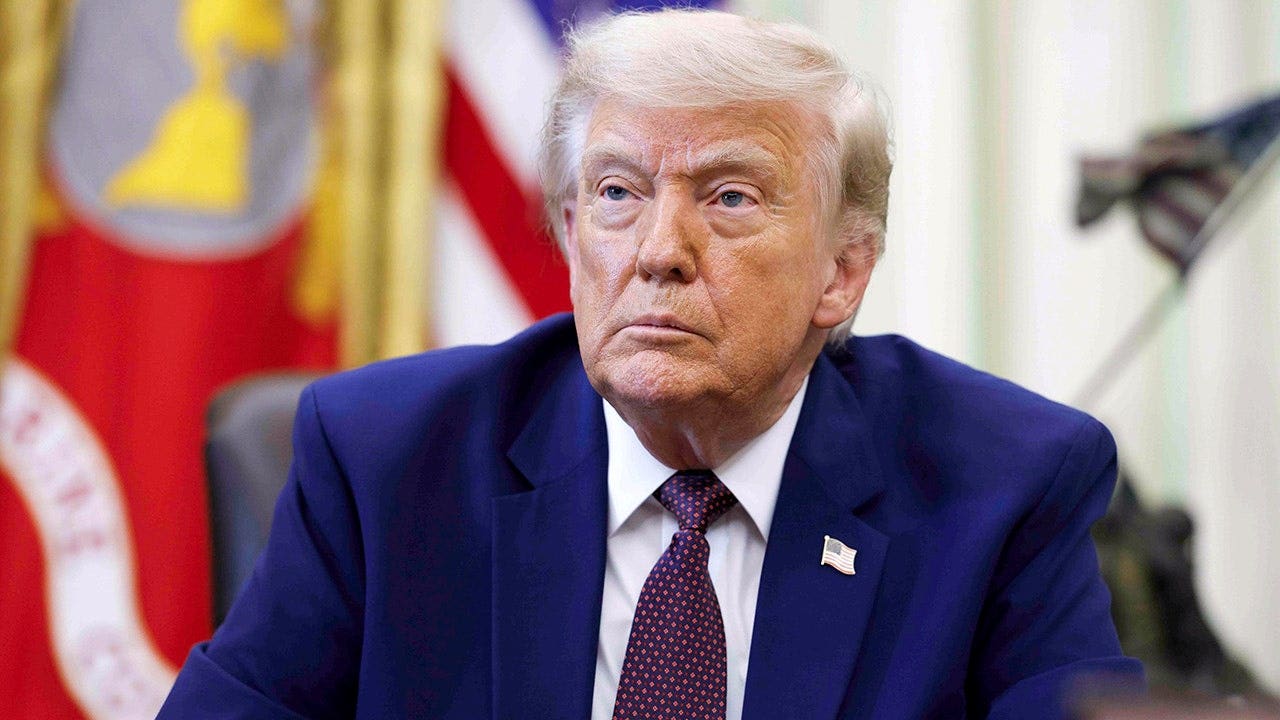
U.S. District Judge Leo Sorokin (Massachusetts) ruled that the Trump administration’s September 2025 proclamation imposing a $100,000 payment requirement on employers filing new H-1B petitions was unlawful and vacated the policy in full. Sorokin concluded the payment functioned as a tax, which only Congress may impose, and therefore exceeded presidential authority under the Immigration and Nationality Act; he also found the implementing agencies violated the Administrative Procedure Act by failing to follow notice-and-comment rulemaking and exceeded their statutory authority. The ruling came in a lawsuit brought by a coalition of 20 states. The administration said it will appeal; another federal judge (Beryl Howell) earlier declined to block a similar policy in a separate challenge. Before the proclamation, employers typically paid between roughly $2,000 and $5,000 in filing fees. The H-1B program issues on the order of 65,000 visas annually. Sorokin had earlier issued a nationwide injunction against a separate Trump executive order on birthright citizenship, a matter currently before the Supreme Court.
Biblical Reflection
This ruling highlights core biblical concerns about lawful authority, accountability, and care for vulnerable neighbors. The court acted as a check on executive action, invoking separation of powers and procedural safeguards—principles that protect justice and prevent arbitrary exercise of power. The administration framed the fee as protecting American workers; the court viewed it as a tax requiring congressional authorization and proper rulemaking. Readers should note framing cues in the article (for example, repeatedly identifying the judge by his appointing president) that can imply partisan motivation; discernment requires focusing on the legal reasoning and institutional roles rather than partisan labels. Christians should welcome institutions that enforce legal limits when done impartially, while also asking whether policy aims (protecting domestic workers, preventing abuse of visa programs) are pursued in ways that honor truth, fairness, and mercy. The case’s practical consequences affect employers, foreign workers, and industries that rely on skilled immigrants; the litigation also shapes the broader balance between executive power and legislative authority.
Scripture in context
This outlook does not yet include contextual Scripture citations. Do not treat a general biblical theme as an exegetical conclusion.
Faithful Response
No prescribed response is offered. Consider the reflection prompts below in your own church context.
Reflection and Discussion
- 1How does the article’s emphasis on the judge’s appointing president influence your perception of the ruling, and does that distract from the legal reasoning?
- 2What does this dispute reveal about the biblical need for checks and balances—so that power is exercised with accountability and humility?
- 3Whose practical welfare is at stake in immigration policy choices, and how should justice and mercy inform those policy debates?
Sources
Reporting links are evidence inputs; Sanctuary News' biblical reflection is commentary.
This outlook currently relies on fewer than two linked sources. Broaden verification before teaching from it.
- 1.Original reportprimary