News Summary
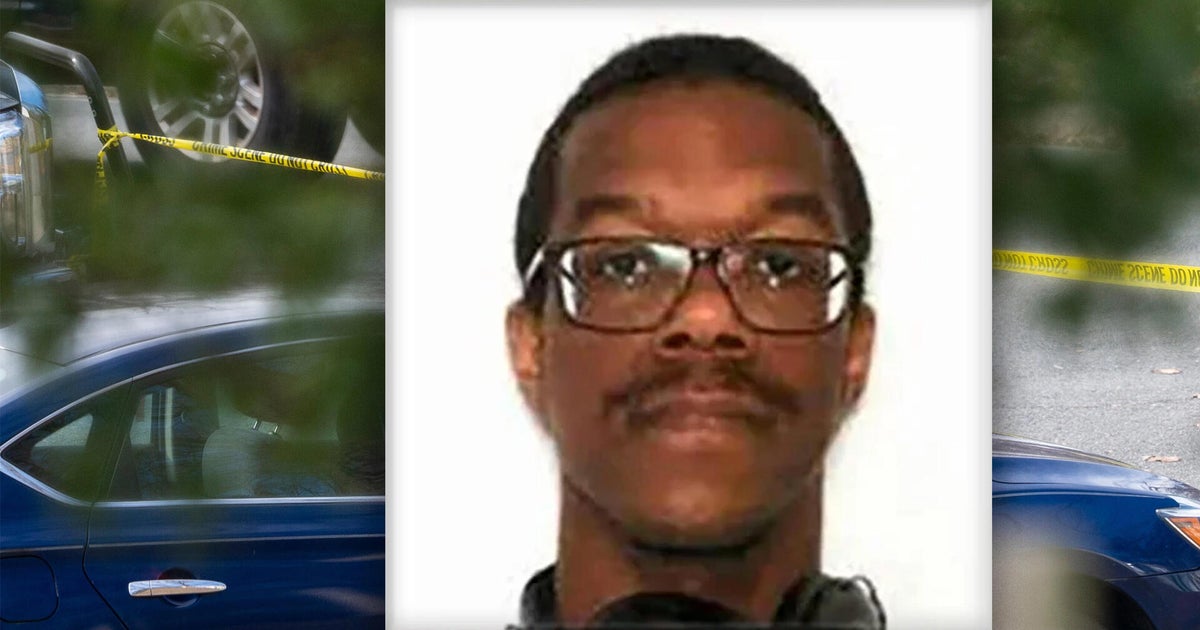
U.S. District Judge Amir Ali denied a motion to dismiss the criminal charges against Brian Cole Jr., who is accused of planting pipe bombs outside the Republican National Committee and Democratic National Committee on Jan. 5, 2021. The devices were discovered the afternoon of Jan. 6; the FBI says they were viable but did not detonate. Cole was federally charged last year with interstate transportation of explosives and malicious attempt to use explosives; prosecutors later added terrorism and weapons-of-mass-destruction counts. Cole’s attorneys argued his acts were tied to the Jan. 6 political unrest and therefore covered by President Trump’s Jan. 6 pardons; the Justice Department countered that the pardons do not apply. Judge Ali wrote that the Jan. 6 pardons are “expressly limited” to people who had been “convicted of offenses” related to Jan. 6 at the time the pardon was issued, and Cole had not been convicted (and was not yet charged) when the pardon was issued, so the pardon does not bar prosecution. Cole pleaded not guilty to the charges. The article notes that Trump’s Jan. 6 clemency actions covered roughly 1,500 rioters accused or convicted of various offenses.
Biblical Reflection
This ruling centers on the legal limits of executive clemency and the rule of law. The reporting is largely factual and focuses on a judicial decision narrowing the practical reach of a prior presidential proclamation. From a Christian perspective, the case raises two related concerns: public safety and the need for just process. Violence and the use of explosives threaten neighbors and community peace, so holding alleged perpetrators accountable protects the vulnerable and upholds the common good. At the same time, Christians should resist partisan rushes to either demonize or excuse; the courts exist to discern facts and apply law impartially. The article’s frame emphasizes accountability rather than political advantage, which aligns with biblical calls to seek justice and preserve peace. Be alert, however, to how conversations about pardons can be weaponized politically—Christians are called to judge actions by truth and consequence, not party loyalty. Pray for a legal process that is thorough and fair, for victims and the public’s safety, and for leaders who will exercise mercy without undermining justice.
Scripture in context
This outlook does not yet include contextual Scripture citations. Do not treat a general biblical theme as an exegetical conclusion.
Faithful Response
No prescribed response is offered. Consider the reflection prompts below in your own church context.
Reflection and Discussion
- 1How does narrowing the practical scope of a political pardon affect our confidence in rule-of-law institutions versus allegiance to political leaders?
- 2When officials grant broad clemency, what safeguards should Christians expect to prevent that power from excusing violent or harmful acts?
- 3Does public reporting on this case focus more on legal precedent or partisan advantage, and how should that shape our reading of the news?
Sources
Reporting links are evidence inputs; Sanctuary News' biblical reflection is commentary.
This outlook currently relies on fewer than two linked sources. Broaden verification before teaching from it.
- 1.Original reportprimary