A little more detail
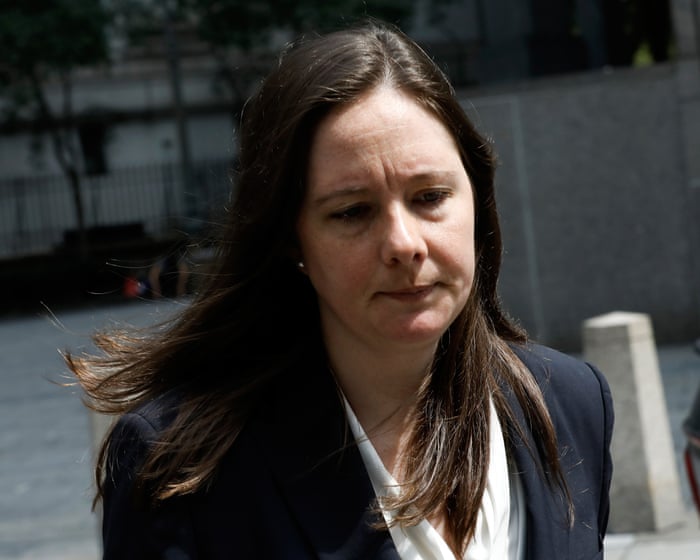
A federal judge (reported as Judge Jesse Furman) has ruled that the Department of Justice’s removal of Assistant U.S. Attorney Maurene Comey was unlawful. The reporting notes Maurene Comey is an SDNY prosecutor and the daughter of former FBI director James Comey; legal experts quoted in the report welcomed the decision as a potential check on politicized firings while warning an appeal is likely. Key details — the court’s reasoning, any remedy ordered, and official DOJ or White House responses — were not included in the cited report.
Source and Framing Analysis
Primary reporting for this cluster comes from The Guardian. The article provides a clear core fact (a federal judge found the firing unlawful) and attributes reactions to unnamed legal experts who say the ruling could deter politicized removals but that an appeal is likely. The Guardian frames the ruling as a check on a broader pattern (characterizing it as responding to an ‘assault on the rule of law’), which is an interpretive lens rather than a neutral claim of causation. Material uncertainties and omissions in the available report include: the full text of the opinion and its legal reasoning, the precise remedy the judge ordered (if any), the DOJ’s stated rationale for the firing, whether an appeal has been filed and by whom, any response from the White House, and potential effects on ongoing SDNY prosecutions. Those gaps mean the immediate factual picture is provisional and open to refinement as primary documents and responses appear.
How sources covered this story
Sanctuary separately assesses reporting quality and alignment with Christian virtues. The virtues assessment considers truthfulness, dignity, compassion, justice, peacemaking, humility, and care for vulnerable people. It does not assess a publisher's faith or reward religious language.
Compare 1 reports
Reporting 78/100Virtues 75/100
- Distinctive contribution
- Names the deciding judge (Jesse Furman), characterizes the firing as done “without cause,” and records legal experts’ view that the ruling could influence other judges while an appeal is likely.
- Framing
- Frames the ruling as offering hope of a check on what it calls Trump’s assault on the rule of law; the excerpt emphasizes potential broader influence on politicized firings and stresses expert optimism tempered by expectation of appeal.
- Omissions or uncertainty
- No date or full case caption; no legal reasoning or specifics of the court’s findings; no quotes or named experts; no DOJ or White House response; no information on remedies or whether an appeal has been filed.
- Why these scores
- The excerpt provides a clear, attributable core fact (a judge’s ruling) and useful context about legal reaction and likely appeal. It names the judge and the subject (Maurene Comey). It is concise and avoids definitive overclaiming. It lacks detailed legal reasoning, primary-source quotes, and responses from implicated parties, which limits deeper evaluation. The piece advances truth by reporting a concrete judicial decision and highlights accountability (justice) while avoiding dehumanizing language. The framing is normative (calls it a check on an ‘assault’), which reflects judgment but does not exploit suffering or promote hostility; however, it lacks explicit attention to due-process nuances or the perspectives of all affected individuals.
Biblical Reflection
From a Christian perspective, this ruling highlights the importance of institutions that protect impartial justice and the common good. Scripture repeatedly calls believers to seek justice, protect the vulnerable, and resist abuses of power; these commitments are sustained only when courts and prosecutors can operate without partisan retaliatory pressure. Christians should therefore be thankful when judicial processes check improper political interference, yet also exercise humility: court rulings can be appealed, legal processes can be imperfect, and our ultimate allegiance is to truth, mercy, and the flourishing of neighbors rather than to any political outcome. Practically, that means praying for fair adjudication, supporting nonpartisan safeguards for due process, and resisting triumphalism or recrimination in the wake of legal news.
Scripture in context
- 1 — Isaiah rebukes empty ritual and exhorts the community to learn to do good, seek justice, defend the oppressed, and uphold the rights of the vulnerable as part of faithful life before God. — This ruling invites Christians to advocate for systems that protect impartial justice and the vulnerable; the passage counsels that religious devotion must be joined to practical work for justice in civic life rather than reduced to partisan celebration.
Faithful Response
Pray for judges, prosecutors, and all public servants to exercise wisdom, integrity, and restraint.
Seek the primary documents (the court opinion, DOJ statements) before forming settled conclusions; avoid treating legal outcomes as final political victories or losses.
Support nonpartisan institutions and reforms that protect prosecutors and judges from improper political pressure while also supporting accountable oversight.
Provide pastoral care: recognize that congregants will react differently depending on politics; name the pain caused when institutions are politicized and model lament, humility, and a gospel-shaped call for justice.
Reflection and Discussion
- 1How should Christians balance gratitude for judicial checks on abuse with humility about the provisional nature of court outcomes?
- 2What practical steps can our congregation take to support institutional impartiality and protection for the vulnerable?
- 3When public institutions appear politicized, how do we avoid turning legal contests into partisan identities?
Sources
Reporting links are evidence inputs; Sanctuary News' biblical reflection is commentary.
This is a developing, single-source report. Details may change as more reporting becomes available.
- 1.Maurene Comey ruling offers hope of check on Trump’s assault on rule of lawprimary_reporting