News Summary
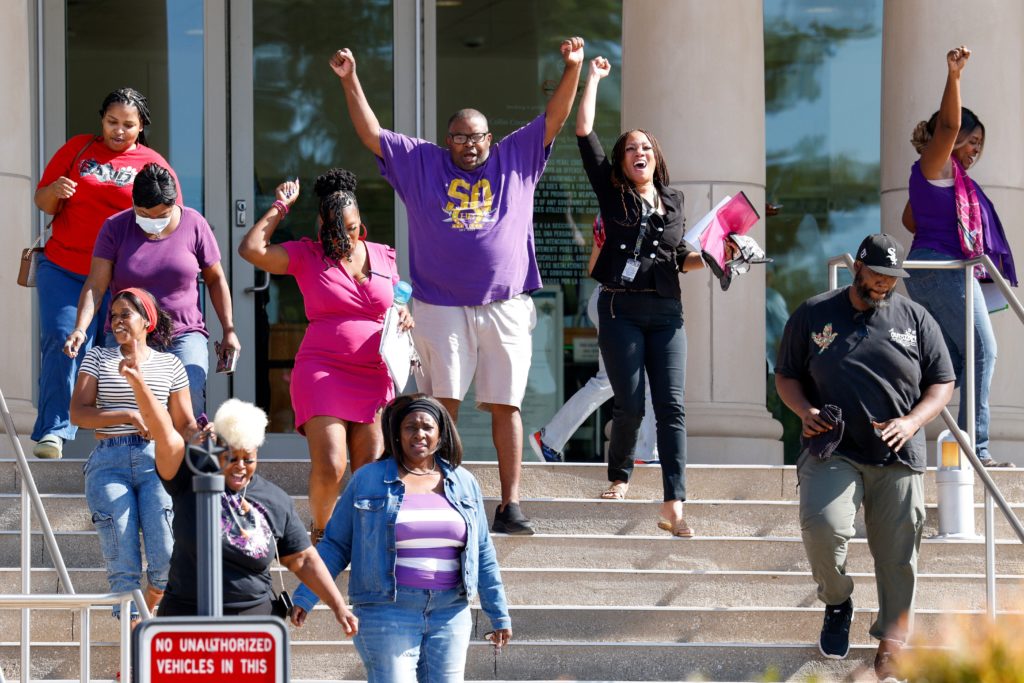
PBS NewsHour reports that a judge was ordered removed Wednesday from the criminal case of Karmelo Anthony, the Texas teenager convicted in the fatal stabbing of a 17-year-old athlete at a high-school track meet. PBS also reports that Anthony is seeking a new trial and that, according to the Texas prosecutor, both sides previously agreed to withhold certain evidence because it risked inflaming a case marked by racial tensions and death threats. The supplied coverage is concise and factual but omits critical procedural and evidentiary details (who ordered the removal and why; the judge's identity; what evidence was withheld and under what legal mechanism; the legal grounds for the new-trial motion; trial and sentencing specifics; public statements from prosecutors, defense counsel, or the victim’s family).
Source and Framing Analysis
Primary reporting for this update comes exclusively from PBS NewsHour (two supplied items). What PBS supplies: (1) a discrete procedural development — that a judge was ordered removed (timed to 'Wednesday') in the case of Karmelo Anthony; (2) that Anthony is seeking a new trial; and (3) an attribution to a Texas prosecutor that both sides agreed to withhold evidence to avoid further inflaming a case described as rife with racial tensions and death threats. Framing: both excerpts are concise, neutral, and non‑sensational; one emphasizes the procedural shift (judge removal), the other highlights prosecutorial context about withheld evidence and the charged atmosphere. Strengths: clear, responsible attributions and restraint in tone. Limits and omissions: no named judge, no explanation of who ordered the removal or legal basis, no specification of the withheld evidence or legal mechanism for withholding, no detail on the new-trial grounds, no timeline for future proceedings, and no statements from defense counsel, prosecutors by name, or the victim’s family. Because reporting is limited to a single outlet in the supplied materials, corroboration and fuller legal context are absent; judge removal can range from routine reassignment to serious procedural or appellate intervention, and those possibilities change the significance of the development. Readers should therefore treat the reported facts as verified to the extent PBS attributed them, while regarding causal or explanatory claims as unresolved until additional sources or court documents are available.
How sources covered this story
Sanctuary separately assesses reporting quality and alignment with Christian virtues. The virtues assessment considers truthfulness, dignity, compassion, justice, peacemaking, humility, and care for vulnerable people. It does not assess a publisher's faith or reward religious language.
Compare 2 reports
Reporting 75/100Virtues 80/100
- Distinctive contribution
- Reports that the prosecutor stated both sides agreed to hold back evidence to avoid inflaming the case, and highlights the surrounding racial tensions and death threats as factors influencing that decision.
- Framing
- Concise, factual attribution to 'the Texas prosecutor'; language such as 'boiling with racial tensions and death threats' is vivid but attributed and presented as situational context rather than editorializing.
- Omissions or uncertainty
- Does not identify the prosecutor by name, specify what evidence was withheld, explain when or under what legal mechanism the withholding occurred, indicate whether the withholding was contested, or provide responses from the defense or victims' family. Timing beyond 'Thursday' is not specific.
- Why these scores
- The excerpt responsibly attributes the claim to the Texas prosecutor and provides salient contextual details (racial tensions, death threats). It is brief and thus lacks specificity (names, exact evidence, legal basis), but within the short excerpt it avoids unsupported assertions and flags the contentious context. The wording is neutral and does not dehumanize any party; it acknowledges threats and racial tension, which reflects concern for safety and context. The excerpt shows restraint by noting evidence was withheld to prevent further harm, aligning with compassion and care for vulnerable people; however, limited detail prevents a higher score.
Reporting 70/100Virtues 75/100
- Distinctive contribution
- States that the judge in the case was ordered removed (on Wednesday) as the defendant seeks a new trial, indicating a significant procedural change in a high-profile case.
- Framing
- Neutral and succinct; uses passive construction ('was ordered removed') without attributing the order to a named authority, and notes the case's national attention to signal broader significance.
- Omissions or uncertainty
- Does not say who ordered the removal, the legal grounds or reason for removal, whether the removal is temporary or permanent, the judge's identity, or what procedural steps follow. No quotes or detailed context are provided.
- Why these scores
- The excerpt conveys an important, verifiable procedural fact succinctly and without sensationalism, but the passive phrasing and lack of attributing details or explanation limit its completeness. As a short news brief it is adequate but sparse. The language is factual and non-inflammatory, avoiding dehumanization and acknowledging the case's public importance. The omission of details prevents higher praise, but the neutral reporting supports truthfulness and respect for persons involved.
Biblical Reflection
Christians should hold together two commitments: care for victims and fidelity to just, transparent legal process. The removal of a judge raises legitimate questions about fairness and the integrity of adjudication, which deserve sober attention rather than reflexive outrage. At the same time, the family and community remain in grief and deserve pastoral care and respect. Our posture should be truth-seeking, merciful, and patient: pray for clarity and humility among decision-makers, support grieving neighbors with compassion, and insist on processes that protect the dignity and rights of everyone affected.
Scripture in context
- 1Matthew 5:9 — Part of Jesus' teaching in the Sermon on the Mount about the character of those who belong to God's reign. — Christians are called to be peacemakers who pursue reconciliation and justice; in a painful criminal case that means seeking truth and fair process while showing compassion for victims and those accused.
- 2Micah 6:8 — A prophetic summary of God's requirements for how people should live with justice, mercy, and humility. — The faithful response includes seeking justice (procedural integrity), loving mercy (compassion for the grieving and for the vulnerable), and walking humbly before God (resisting certainty when facts are incomplete).
- 3Romans 12:17-21 — Paulic instruction on responding to wrongdoing with restraint and living peaceably when possible. — Public responses should avoid vengeance and heed due process; Christians can pray for conversion and restoration while supporting lawful accountability.
Faithful Response
Pray specifically for the victim’s family and community grieving the loss, for Karmelo Anthony and his loved ones, and for judges, prosecutors, defense counsel, jurors, and court staff involved in the case.
Avoid sharing or amplifying unverified details on social media; prioritize confirmed facts and protect the dignity of those affected.
Support local victim services and grief counseling resources for students and families connected to the high school community.
Encourage transparent, fair legal process: request and rely on publicly available court records or official statements rather than rumor, and urge local leaders to communicate responsibly.
Provide pastoral presence — listening, lamenting with those who grieve, and connecting people to practical help rather than treating headlines as final judgments.
Reflection and Discussion
- 1How should our congregation balance the demand for justice with the call to mercy when reports are partial and legal processes are ongoing?
- 2What concrete steps can our church take to support the grieving family and affected students without adding to public spectacle or inflaming tensions?
- 3When news reports omit key procedural details, how can we responsibly hold leaders accountable while resisting premature judgments?
- 4In what ways can we pray and act to protect the dignity of both victims and the accused as the legal process continues?
Sources
Reporting links are evidence inputs; Sanctuary News' biblical reflection is commentary.
This outlook currently relies on fewer than two linked sources. Broaden verification before teaching from it.
- 1.Judge removed from Texas track meet stabbing case as defendant Karmelo Anthony seeks a new trialprimary_reporting