News Summary
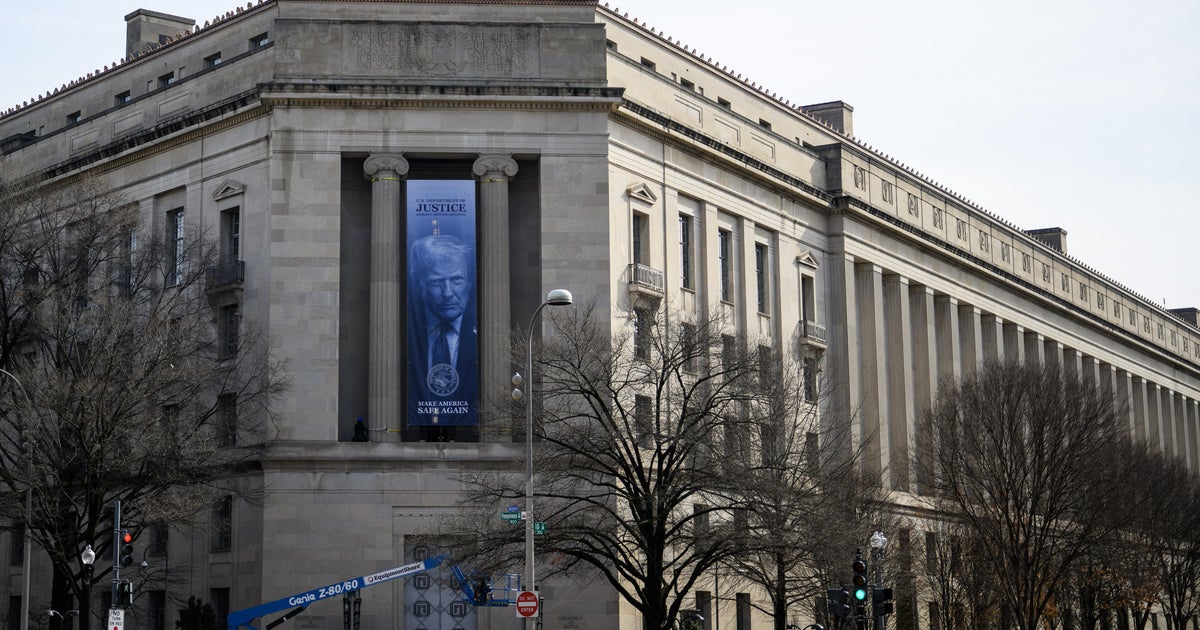
U.S. District Judge Mary McElroy in Rhode Island referred Justice Department lawyers for possible discipline over their handling of a DOJ investigation into gender-transition treatments for minors at Rhode Island Hospital. McElroy had quashed an administrative subpoena seeking years of medical records for every minor transgender patient treated at the hospital, finding the subpoena lacked a congressionally authorized purpose and was issued in bad faith. In a May 14 opinion, she accused DOJ lawyers of misrepresenting facts under oath and withholding information from her court and a federal court in Texas; she said DOJ sought enforcement in Texas to avoid review in Rhode Island. DOJ sought an enforcement order from a Texas court, and a judge in Fort Worth granted that request in late April, ordering the hospital to turn over records; the hospital has appealed. The judge specifically called a DOJ lawyer’s declaration claiming the hospital stopped communicating “clearly misleading, if not utterly false,” noting hospital representatives had responded to DOJ emails. The DOJ Civil Division denies the allegations, saying its internal review found the accusations without merit and that the Department will take remedial action where warranted.
Biblical Reflection
This story raises questions about the proper exercise of prosecutorial power, the protection of vulnerable persons, and the duty of candor lawyers owe to the courts. Judge McElroy’s findings—if upheld—portray a misuse of authority that risks both individual privacy (particularly of minors seeking medical care) and public trust in institutions meant to uphold justice. At the same time, the DOJ’s denial and the ongoing appeals process counsel humility: courts and investigators must be allowed to complete their processes before final judgments are made. From a Christian perspective, two responsibilities stand out: insistence on truth and accountability when public power is abused, and compassionate protection of vulnerable people who could be harmed by disclosure of sensitive medical information. Christians should resist political tribalism that treats legal actions as mere points in a culture war; instead, we should press for transparency, due process, and policies that protect privacy while ensuring lawful oversight. Where leaders fall short, the church’s vocation is to call for integrity without rushing to condemnation, and to care for those most at risk of harm.
Scripture in context
This outlook does not yet include contextual Scripture citations. Do not treat a general biblical theme as an exegetical conclusion.
Faithful Response
No prescribed response is offered. Consider the reflection prompts below in your own church context.
Reflection and Discussion
- 1How does the use of federal investigative power here balance legitimate oversight with the privacy and safety of vulnerable minors?
- 2What signs should Christians look for to distinguish genuine legal accountability from politicized legal tactics in contentious social issues?
- 3If courts conclude misconduct occurred, how should faith communities respond in ways that seek justice and healing rather than partisan advantage?
Sources
Reporting links are evidence inputs; Sanctuary News' biblical reflection is commentary.
This outlook currently relies on fewer than two linked sources. Broaden verification before teaching from it.
- 1.Original reportprimary