News Summary
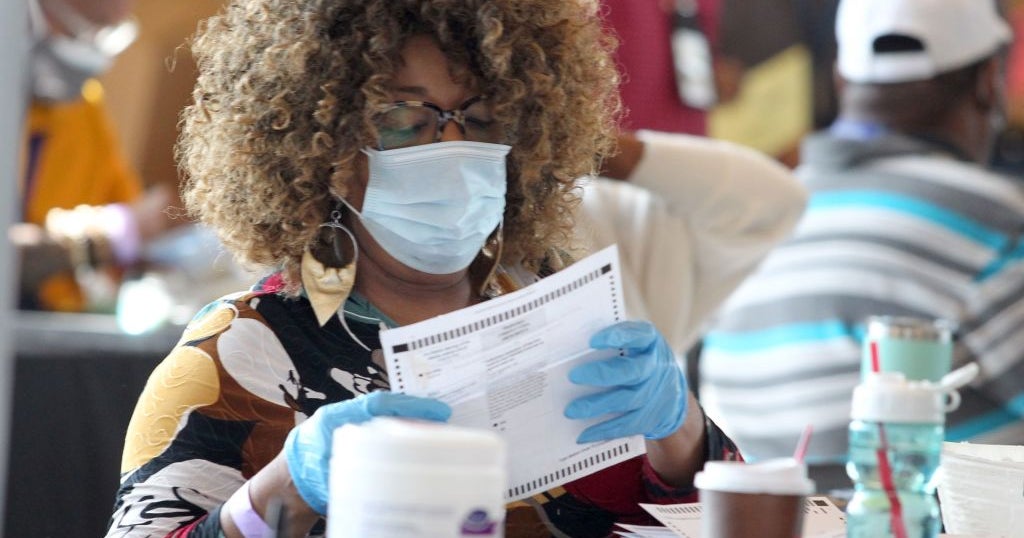
A federal grand jury subpoena served by the U.S. Department of Justice sought names and personal contact information for county employees and volunteer poll workers who worked the 2020 election in Fulton County, Georgia. Fulton County asked a judge to quash the subpoena, arguing it was overbroad, targeted political opponents, and would chill election worker participation; the DOJ said the request was a normal investigative step seeking records identifying persons with relevant knowledge. U.S. District Judge William Ray granted the county’s motion and quashed the subpoena, describing its scope as “staggering,” noting the low demonstrated need for the information, and finding the disclosure would be highly burdensome and could hinder recruitment of future election workers. Ray observed that some alleged misconduct from the 2020 election would be time-barred from prosecution, and warned against using grand jury powers to obtain private information without a legitimate law-enforcement purpose. The subpoena followed an FBI search warrant in January that removed ballots and documents from the Fulton County election hub; a federal judge earlier denied the county’s request to force the return of those ballots. The Justice Department’s request and the judge’s ruling were presented amid ongoing political claims about the 2020 election’s integrity.
Biblical Reflection
From a Christian perspective, this ruling highlights two important convictions: the pursuit of truth and the protection of the vulnerable. Legitimate investigations into potential election crimes serve the public good and accountability, but the law must also guard against overreach that chills civic service and exposes private citizens to harassment. The judge’s decision underscores the biblical principle that power must be exercised with restraint and respect for persons; using legal instruments in ways that appear political damages trust and wounds neighbors who serve the common good. Christians should be wary of partisan narratives that claim authority without evidence, while also supporting careful, impartial inquiry where real wrongdoing is plausible. Prayfulness, humility, and a commitment to institutional integrity help communities pursue justice without sacrificing mercy or civic participation.
Scripture in context
This outlook does not yet include contextual Scripture citations. Do not treat a general biblical theme as an exegetical conclusion.
Faithful Response
No prescribed response is offered. Consider the reflection prompts below in your own church context.
Reflection and Discussion
- 1Are legal tools being used to pursue wrongdoing or to intimidate and expose private citizens tied to a political dispute?
- 2How does this decision affect public trust in election administration and the willingness of volunteers to serve in future elections?
- 3What safeguards should Christians advocate for so accountability and individual privacy are both respected in politically sensitive investigations?
Sources
Reporting links are evidence inputs; Sanctuary News' biblical reflection is commentary.
This outlook currently relies on fewer than two linked sources. Broaden verification before teaching from it.
- 1.Original reportprimary