News Summary
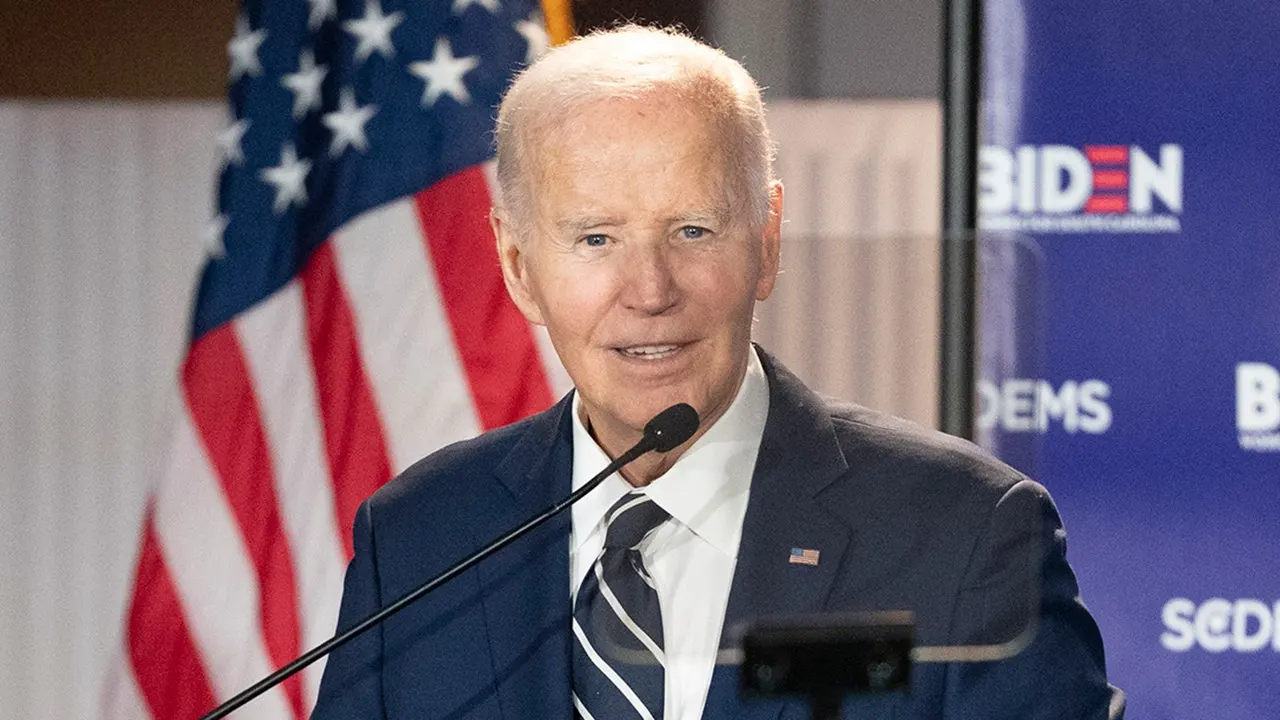
A federal district judge, Dabney Friedrich, issued a temporary injunction preventing the Justice Department from releasing audio recordings and transcripts of former President Joe Biden's conversations with his 2017 memoir ghostwriter, Mark Zwonitzer, while the D.C. Circuit reviews Biden's appeal. The recordings were sought under FOIA by the Heritage Foundation and relate to material cited by Special Counsel Robert Hur in his investigation of Biden's handling of classified documents. Hur's report referenced the Zwonitzer conversations and described instances where Biden appeared to struggle to recall events. The Justice Department had earlier decided the records could be released with redactions after initially withholding them under FOIA exemptions. Biden sued in May, arguing the release would violate the Privacy Act and the Administrative Procedure Act; his lawyers filed an emergency motion after a preliminary injunction was denied. Amy Jeffress is leading Biden's legal team. The injunction is temporary (three weeks while the appeals court considers the matter). The article notes partisan context and commentary about judges, counsel, and media reactions but the immediate legal effect is a short stay on disclosure pending appellate review.
Biblical Reflection
This dispute sits at the intersection of two legitimate goods: the public’s interest in government transparency and accountability, and an individual’s right to privacy and fair legal process. Christians should value truth and open governance while also guarding the dignity of persons—especially when reports concern potential cognitive decline or personal vulnerability. The article’s tone and emphases (highlighting memory lapses, naming judges’ appointers, and including advocacy voices) reflect partisan framing that can encourage readers to draw quick moral judgments. The legal process—motions, injunctions, and appeals—exists to weigh these competing claims; exercising patience with that process honors both truth-seeking and due process. Pastoral prudence calls us to resist using another’s weaknesses as political ammunition, to listen for facts rather than spin, and to pray for justice that is both honest and merciful.
Scripture in context
This outlook does not yet include contextual Scripture citations. Do not treat a general biblical theme as an exegetical conclusion.
Faithful Response
No prescribed response is offered. Consider the reflection prompts below in your own church context.
Reflection and Discussion
- 1Am I reacting to partisan framing or to established facts about what the recordings actually contain?
- 2How should Christians weigh the public’s right to accountable leadership against compassion for a person’s private vulnerabilities?
- 3Are institutions and advocates pursuing openness responsibly, or are they using disclosure primarily to score political points?
Sources
Reporting links are evidence inputs; Sanctuary News' biblical reflection is commentary.
This outlook currently relies on fewer than two linked sources. Broaden verification before teaching from it.
- 1.Original reportprimary