News Summary
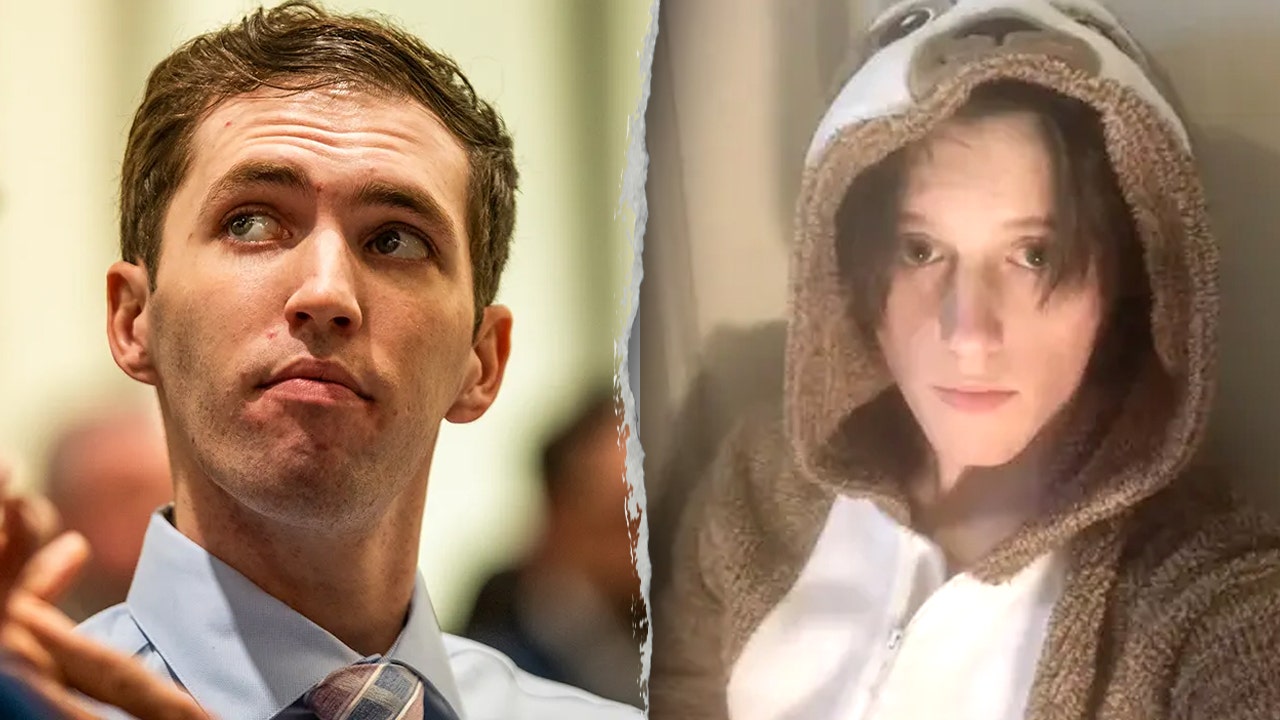
At a preliminary hearing in Provo, Utah, Judge Tony Graf Jr. ordered roughly 16 minutes to be redacted from an approximately 37-minute video statement by Lance Twiggs, the former partner of defendant Tyler Robinson. Prosecutors had planned to play the video Wednesday but postponed until Thursday morning to ensure compliance with the redaction order after defense objections. Defense attorneys argued airing an unredacted statement could amount to televising a pretrial “confession” and raise constitutional concerns; prosecutors and the Kirk family urged public viewing. The video reportedly discusses texts, chat logs and a note that prosecutors and the public have characterized as bearing on Robinson’s responsibility; mentions of some texts have already been publicly released. The judge said he will consider the withheld texts and other evidence when ruling on probable cause. The preliminary hearing is scheduled to conclude by 5 p.m. Friday; Robinson has not entered a plea and faces potential capital charges if convicted.
Biblical Reflection
This story highlights a tension between two legitimate goods: the public’s interest in transparency—especially in a high-profile killing—and the legal protections designed to preserve a fair trial and the presumption of innocence. The judicial decision to redact parts of the video reflects a cautious, procedural approach intended to limit prejudicial publicity before fuller fact-finding. Reporting that emphasizes emotional moments in court or urges unredacted release can incline the public toward judgment before the legal process runs its course; Christians should be alert to how grief and political identities can intensify that impulse. At the same time, the family’s desire for openness is understandable and reflects a longing for accountability and truth. A faithful Christian response presses for both truth and mercy: pursue evidence and justice responsibly, resist the spectacle that amplifies pain for clicks or partisan advantage, and remember the dignity of all people involved—victims and accused—while trusting legal institutions to weigh evidence with care.
Scripture in context
This outlook does not yet include contextual Scripture citations. Do not treat a general biblical theme as an exegetical conclusion.
Faithful Response
No prescribed response is offered. Consider the reflection prompts below in your own church context.
Reflection and Discussion
- 1Does immediate public release of sensitive evidence advance truth or risk prejudicing the legal process and public opinion?
- 2How might grief, political allegiance, or media framing shape our assumptions about guilt before a court decides?
- 3In pursuing transparency, are we also honoring the biblical call to fairness, compassion, and restraint?
Sources
Reporting links are evidence inputs; Sanctuary News' biblical reflection is commentary.
This outlook currently relies on fewer than two linked sources. Broaden verification before teaching from it.
- 1.Original reportprimary