News Summary
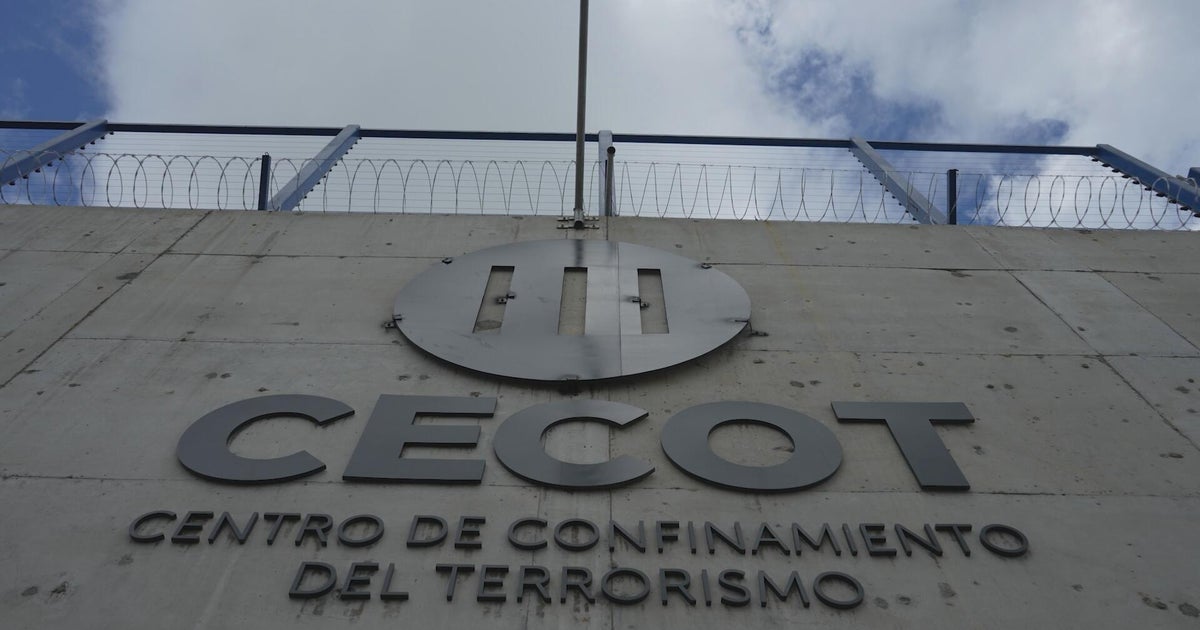
A federal judge, James Boasberg, has ordered the Trump administration to present a plan within two weeks to either return 137 Venezuelan men previously detained at the CECOT megaprison in El Salvador to the U.S., or grant them hearings to contest claims that they are gang members. These men were deported under the Alien Enemies Act, with the Trump administration labeling them as dangerous criminals, though investigations revealed many had no criminal record. The judge found that their due process rights were violated, as they were still under U.S. custody while held at CECOT, and had not been given a fair opportunity to challenge the accusations. Human rights organizations reported that the detainees suffered arbitrary detention, enforced disappearance, and serious abuse in prison. The government has until January 5 to comply with the order, either by returning the men for hearings or providing due process in another form. The Department of Homeland Security criticized the judge's decision, while human rights advocates praised it as a necessary correction after months of mistreatment.
Biblical Reflection
From a biblical perspective, the treatment of these men raises deep concerns about justice, dignity, and the value of each person made in the image of God (Genesis 1:27). Scripture consistently calls for fair treatment of the foreigner, the marginalized, and those accused of wrongdoing (Deuteronomy 27:19; Zechariah 7:9-10; Matthew 25:35-40). Denying due process, subjecting individuals to abuse, and treating them as guilty without evidence violates these core biblical principles. The judge’s order to restore due process aligns with the call for justice and mercy, reminding us that legal procedures must honor the humanity and rights of all, regardless of status or suspicion. Christians are called not only to uphold justice but to advocate for the oppressed (Proverbs 31:8-9). This case serves as a sobering reminder of the dangers of fear-driven policies and the need for compassion, truth, and accountability in government. We must pray for leaders to act with integrity and for all who suffer injustice to receive the dignity and fairness that God desires for every person.
Scripture in context
This outlook does not yet include contextual Scripture citations. Do not treat a general biblical theme as an exegetical conclusion.
Faithful Response
No prescribed response is offered. Consider the reflection prompts below in your own church context.
Reflection and Discussion
- 1How does my understanding of justice align with God’s command to act justly and love mercy?
- 2In what ways am I called to advocate for the fair treatment of the vulnerable and marginalized?
- 3How can I respond prayerfully and practically when I see injustice in the world around me?
Sources
Reporting links are evidence inputs; Sanctuary News' biblical reflection is commentary.
This outlook currently relies on fewer than two linked sources. Broaden verification before teaching from it.
- 1.Original reportprimary