News Summary
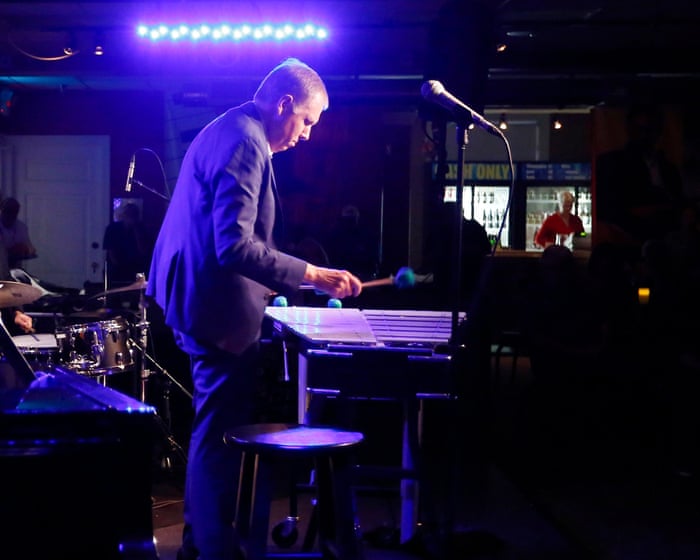
A Washington, D.C. superior court judge, Tanya Jones Bosier, ordered the John F. Kennedy Center for the Performing Arts to pay $252,479.70 in legal fees and costs to attorneys for jazz musician Chuck Redd, with payment due within 45 days. The award follows litigation the Kennedy Center brought after Redd canceled a scheduled Christmas Eve performance; Redd’s cancellation was reported to have followed a White House announcement that Donald Trump’s name would be added to the venue. The reporting supplying these facts does not include the court’s written opinion, contract details, or statements from the Kennedy Center or Redd.
Source and Framing Analysis
Primary source for the cluster is a single news report (The Guardian excerpt). That report supplies concrete, narrow facts (judge name, exact fee award down to cents, payment deadline, performer identity, date of the canceled performance, and the reported proximate reason for cancellation). The piece frames the item as a legal ruling tied to a prior cancellation linked to the White House announcement about adding Donald Trump’s name to the venue. Material limitations: the article does not include the judge’s written reasoning or cited legal authority for the fee award, the text of the Kennedy Center’s complaint, contract terms between the parties, any direct statements or responses from the Kennedy Center or Chuck Redd, or information about appeals or compliance. Because reporting is limited to those factual elements, readers should not infer broader legal conclusions, motives beyond what is reported, or institutional policy changes.
How sources covered this story
Sanctuary separately assesses reporting quality and alignment with Christian virtues. The virtues assessment considers truthfulness, dignity, compassion, justice, peacemaking, humility, and care for vulnerable people. It does not assess a publisher's faith or reward religious language.
Compare 1 reports
Reporting 78/100Virtues 75/100
- Distinctive contribution
- Names the presiding judge (Tanya Jones Bosier), gives the exact award down to cents ($252,479.70), specifies payment must be made within 45 days, identifies the performer (Chuck Redd) and ties the cancellation to the White House announcement about adding Trump’s name; also notes the Kennedy Center had sued him.
- Framing
- Frames the item as a legal ruling in favor of the musician against the Kennedy Center, linking the cancellation to the controversy over renaming the venue after Donald Trump. The tone is factual and focused on the court order and monetary award.
- Omissions or uncertainty
- No explanation of the legal basis for the award or judge's reasoning; no quotes from the judge, Chuck Redd, or Kennedy Center; no information on whether the decision will be appealed; limited background on the renaming decision process or broader institutional context; no source citation (e.g., court document) included in the excerpt.
- Why these scores
- The excerpt provides clear, specific factual details (judge name, exact monetary amount, deadline) and attributes the cancellation to a stated cause, which are strong reporting elements for a brief news item. It lacks deeper context, legal reasoning, direct quotations, and follow-up information (appeals, institutional response), which limits its completeness but does not undermine the accuracy of the facts presented. The excerpt is neutral and non-sensational, presenting facts without dehumanizing language or evident bias, which aligns with truthfulness and respect for persons. It does not provide explicit attention to vulnerable parties, restorative justice, or compassionate context, so while respectful and honest it does not demonstrate extended virtues such as compassion or peacemaking in the supplied text.
Biblical Reflection
This ruling highlights tensions that arise when convictions held by artists or citizens collide with contractual commitments and institutional interests. Christians should value both the rule of law and the conscience of individuals: the legal system exists to adjudicate disputes and assign remedies when agreements are broken or defended. The award of legal fees is a concrete legal consequence, not a moral judgment about any party’s political views. Christians are called to seek truth and pursue justice with humility and mercy. That means acknowledging an institution’s right to enforce agreements while also recognizing moral space for conscientious objection. Where possible, pursue reconciliation, prefer restorative over punitive responses, protect dignity for all parties, and care for those who may be vulnerable because of public controversy.
Scripture in context
- 1Matthew 18:15-17 — Steps for addressing conflict within the community—private correction, bringing witnesses, and involving the church—framed by the goal of restoration rather than public shaming. — Christians are urged to prefer direct, restorative approaches to conflict; even when disputes enter courts, the impulse toward restoration and reconciliation should shape how Christians speak and act about public disputes like this one.
- 2Romans 13:1-7 — Instruction about authorities and the role of governing structures to enforce laws and carry out civil order. — Respect for lawful resolution and courts aligns with the call to honor governing structures; Christians can pursue justice through legal means while holding fast to conscience and mercy.
Faithful Response
Pray for wisdom, humility, and restoration for the individuals and institutions involved.
Seek fuller information before taking or publicizing strong judgments: request or consult the court’s written order, the complaint, and statements from both parties.
Hold together respect for lawful processes and concern for conscience—advocate that institutions enforce agreements fairly while protecting space for principled dissent when appropriate.
Encourage restorative practices: where feasible, support mediation or facilitated conversation to repair relationships and clarify expectations for future engagements.
Attend to vulnerable neighbors: artists who lose platforms, staff whose roles are affected, and communities harmed by polarizing disputes deserve pastoral care and practical support.
Reflection and Discussion
- 1When Christians see a legal judgment they agree or disagree with, how should Scripture shape our impulse to celebrate, condemn, or pursue reconciliation?
- 2What responsibilities do artists and public figures have to consider contractual obligations, and how should Christians weigh those responsibilities against prophetic witness?
- 3How can the church cultivate practices that prevent civic disagreements from becoming permanent ruptures in neighborly love?
Sources
Reporting links are evidence inputs; Sanctuary News' biblical reflection is commentary.
This outlook currently relies on fewer than two linked sources. Broaden verification before teaching from it.
- 1.Judge awards $252,480 to musician who canceled Kennedy Center performanceprimary_reporting