News Summary
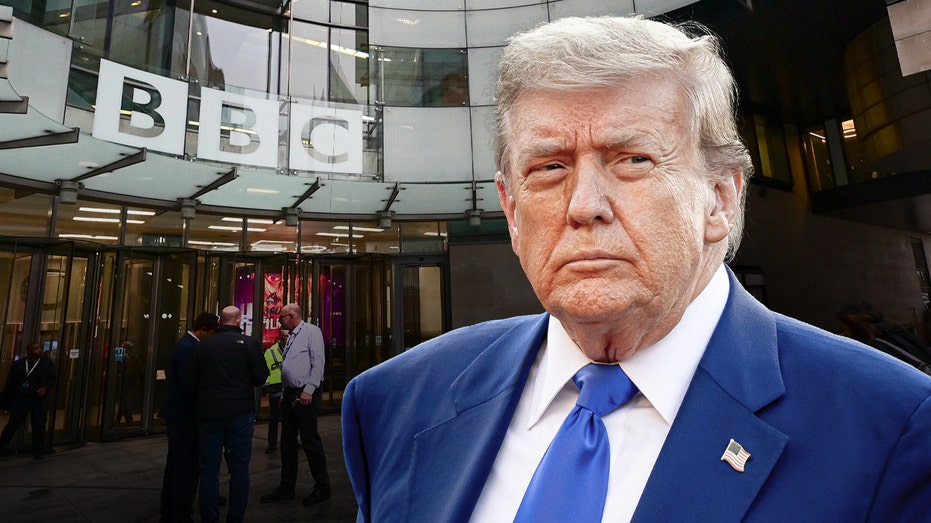
Reported facts: A federal judge ruled that in former President Trump's $10 billion lawsuit over an allegedly misleading BBC documentary edit, the BBC may inquire into how Trump's Jan. 6 speech was interpreted, but the lawsuit does not permit relitigation of the Capitol riot itself. Attributed claims: The article frames the dispute as focused on a 'misleading documentary edit' and characterizes the judge's limitation as preventing relitigation of the riot; these characterizations are presented as reporting rather than shown with court documents in the article. Uncertainty: The report does not supply the judge's name, the court opinion text, specific legal grounds for the ruling, the stage of the lawsuit, the BBC's or Trump's public statements, or additional context that would clarify the scope of permitted inquiry.
Source and Framing Analysis
The supplied report is very brief and emphasizes the judge's limitation on 'relitigating the Capitol riot,' which highlights procedural restraint. Important material uncertainties remain: the decision's legal reasoning, the specific claims in the $10 billion suit, and whether the ruling is interlocutory, final, or subject to appeal. Framing that stresses 'limiting relitigation' can suggest the case is narrowly focused; without the opinion, readers cannot assess how much discovery or questioning will be permitted or what standards the court applied.
Biblical Reflection
The legal ruling narrows the dispute to questions about interpretation and editorial choices rather than rearguing the events of January 6. From a Christian perspective, this distinction matters: truth-seeking and accountability are proper aims for both courts and the press, but so is restraint from rehashing traumatic national events when they are not directly at issue. Christians should welcome careful legal procedures that focus on relevant facts and avoid spectacle.
The article also highlights the ethical responsibilities of media makers. Editing choices shape how speech is understood; when contested, they deserve transparent review. Christians are called to pursue truth and to protect the vulnerable from harm caused by misrepresentation. At the same time, the community should guard against using legal processes simply to amplify partisan narratives or score rhetorical points. Humility, patience, and a commitment to justice should guide both journalists and litigants.
Scripture in context
- 1Proverbs 12:17-19 — In its literary context, Proverbs contrasts truthful speech with deceitful words and warns that false testimony and flattering talk can harm community life; wisdom literature emphasizes the moral weight of accurate communication. — The passage invites Christians to value truthful testimony and to challenge distortions in speech or media editing while avoiding slanderous or vindictive use of words; it bears on how we evaluate disputes over alleged misleading edits and emphasizes responsibility for honest communication.
Faithful Response
Read the court decision and primary documents (not only headlines) before forming a settled view.
Avoid sharing or commenting on alleged edits or accusations until verified; practice restraint in public conversation.
Pray for those affected by January 6 and for wisdom for journalists, editors, judges, and litigants involved in the dispute.
Encourage media literacy in your community—help people understand how editing can change meaning and why careful sourcing matters.
Reflection and Discussion
- 1How should Christians balance the call for transparency and accountability in media with the need to avoid sensationalizing past traumas?
- 2When allegations of misleading editing arise, what steps should we demand from journalists and institutions to restore trust?
- 3In contests over public memory and narrative, where should the church position itself to promote truth, reconciliation, and care for those harmed?
Sources
Reporting links are evidence inputs; Sanctuary News' biblical reflection is commentary.
This outlook currently relies on fewer than two linked sources. Broaden verification before teaching from it.
- 1.Judge limits BBC from relitigating Jan 6 in Trump lawsuit over misleading documentary editprimary_reporting